














How much does it cost to build a bowling alley in Europe?
A comprehensive 2026 guide analyzing the costs to build a bowling alley in Europe. Covers turnkey per-lane estimates, string pinsetter ROI, regional construction variances (Germany vs. Poland), and profitability margins for modern entertainment centers.
- Quick Summary: The 2026 Investment Snapshot
- How much does it cost to build a bowling alley in Europe?
- Why the price variation?
- Major Cost Components Breakdown (2026 Estimates)
- Pan-European Cost Comparison: Location Matters
- Equipment Deep Dive: String Pinsetter vs Free-fall Cost Analysis
- Hidden Costs Specific to the European Market
- Profitability & ROI Timeline in 2026
- Expert Tips for 2026 Investors
- Frequently Asked Questions (FAQ)
- Is owning a bowling alley profitable in Europe in 2026?
- What is the average cost per lane for bowling equipment?
- How much space do I need for a 10-lane bowling alley?
- Are string pinsetters better for new alleys?
- What are the biggest hidden costs when building in Europe?
- Can I get financing for a bowling alley in Europe?
- How long does it take to build a bowling alley from scratch?
- What is the difference between Boutique and Traditional bowling centers?
- References
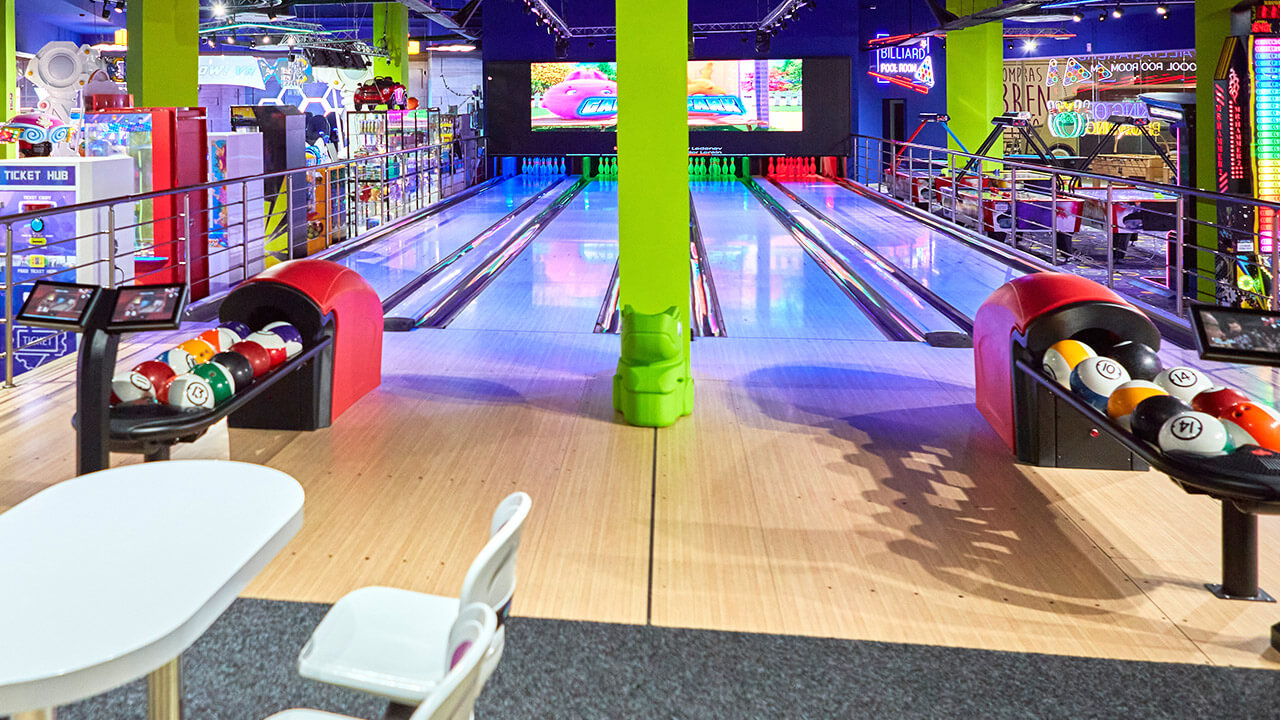
Investing in the European leisure market has shifted dramatically. Gone are the days of dingy, league-focused alleys; the Turnkey bowling center investment 2026 landscape is dominated by high-end "boutique" venues and Family Entertainment Centers (FECs). With the European leisure market projected to grow despite inflationary pressures, understanding the precise capital requirements is critical for success.
Quick Summary: The 2026 Investment Snapshot
What is the total estimated cost? In 2026, investors should budget between €350,000 for a small boutique center and €3,000,000+ for a large-scale Family Entertainment Center (FEC).
The table below provides a high-level estimate for investors targeting the European market, adjusted for 2026 inflation forecasts.
| Center Type | Size (Lanes) | Est. Total Cost (Turnkey) | Cost Per Lane (Avg) | Target Audience |
|---|---|---|---|---|
| Boutique / Bar-Bowl | 4 - 8 | €350k – €950k | €55,000+ | Adults, Corporate, Nightlife |
| Standard Center | 10 - 16 | €800k – €1.5M | €35,000 - €45,000 | Families, Leagues, Casual |
| Large FEC | 20+ | €2.5M – €5M+ | €30,000 - €40,000 | Mass Market, Parties, Events |
- Key Trend: Energy-efficient equipment is now a primary capital expenditure to comply with stricter EU "Green Deal" regulations.
- ROI Driver: Shifting to String Pinsetters can reduce long-term operational costs by up to 80%.
How much does it cost to build a bowling alley in Europe?
On average, the Bowling alley construction cost per lane Europe ranges between €25,000 and €45,000 for a turnkey installation, excluding the building shell.
This wide variance depends heavily on the level of technology and interior fit-out chosen. A simple modernization project might sit at the lower end, while a luxury venue in a Tier 1 city (like Paris, Munich, or London) will push the upper limits.
Why the price variation?
- Technology: Automated scoring systems with augmented reality (HyperBowling) cost significantly more than standard setups.
- Labor Rates: Installation labor in Western Europe is approx. 30% higher than in CEE (Central and Eastern Europe) regions.
- Customization: Bespoke furniture and masking units drive up the "soft costs" significantly.
Major Cost Components Breakdown (2026 Estimates)
Where does the money go? A successful budget allocation typically follows a 40-30-20-10 split between equipment, construction, design, and soft costs.
- Equipment & Technology (35-40%):
- This includes the lanes, pinsetters, ball returns, and scoring systems.
- Cost: €18,000 – €35,000 per lane depending on the supplier (e.g., QubicaAMF, Brunswick).
- Construction & MEP (30%):
- Mechanical, Electrical, and Plumbing (MEP) are critical. Bowling centers require reinforced sub-flooring and specialized HVAC systems to manage climate for lane surfaces.
- Note: Acoustic soundproofing is a major expense in mixed-use European developments.
- Interior Design & Furniture (20%):
- Lounge seating, custom bar carpentry, and intelligent lighting systems.
- Modern investors spend more here to drive high-margin F&B (Food & Beverage) revenue.
- Pre-Opening & Soft Costs (10%):
- Architectural fees, local council licensing, permits, and launch marketing.
- 2026 Inflation Factor: Construction analysts forecast a 3-4% increase in material costs for 2026, which must be factored into the contingency budget.
-
Pan-European Cost Comparison: Location Matters
How does location impact the budget? Commercial leisure real estate Europe costs vary drastically by region, with Switzerland and Scandinavia topping the charts for construction expenses.
According to 2024-2025 construction market data, the cost to build (fit-out) commercial leisure space per square meter differs significantly:
- High-Cost Markets (Switzerland, Norway, London, Munich):
- Fit-out Cost: €3,500 – €5,300 per m².
- Challenge: Extremely high labor costs and strict regulatory hurdles.
- Mid-Range Markets (France, Netherlands, Rest of UK):
- Fit-out Cost: €2,500 – €3,500 per m².
- Standard: Heavily regulated permitting processes regarding noise and safety.
- Emerging Markets (Poland, Spain, Czechia):
- Fit-out Cost: €1,200 – €2,000 per m².
- Opportunity: Lower initial CapEx allows for a faster ROI, often under 3 years.
Equipment Deep Dive: String Pinsetter vs Free-fall Cost Analysis
Which machine technology is best for ROI? A String pinsetter vs free-fall cost analysis reveals that string technology is the superior financial choice for 90% of new entertainment centers in 2026.
While traditional "Free-fall" machines are used in professional tournaments, they are expensive to maintain. String pinsetters (where pins are attached to durable cords) have revolutionized the business model.
Cost Comparison Table:
| Feature | Free-Fall (Mechanical) | String Pinsetter (Tech) |
|---|---|---|
| Upfront Cost (Per Lane) | €20,000 - €25,000+ | €8,000 - €12,000 |
| Energy Consumption | High (Older motors) | Low (24V DC, -80% energy) |
| Parts & Maintenance | €500 - €900 / lane / year | €100 - €150 / lane / year |
| Specialized Mechanic? | Required (High Salary) | Not Required (General Staff) |
Data Insight: Industry reports indicate that switching to string machines can reduce maintenance labor expenses by 80-90% and energy consumption by over 70%.
Hidden Costs Specific to the European Market
What expenses often catch investors off guard? Compliance with EU regulations and local licensing can add 10-15% to the projected budget.
- Energy Efficiency (EU Green Deal): New builds often require Grade A energy ratings. This means investing in premium HVAC systems and LED lighting throughout the facility.
- Acoustic Insulation: In dense European cities, noise complaints can shut a business down. High-grade acoustic isolation for floors and walls is mandatory in residential zones.
- Music & Media Licensing: Do not forget annual fees to organizations like GEMA (Germany), SACEM (France), or PRS (UK) for playing background music and music videos.
- Import Logistics: While major suppliers have European HQs, specific custom parts shipped from the US or China may incur import duties and shipping delays.
Profitability & ROI Timeline in 2026
Is a bowling alley a profitable business? A solid Bowling alley business plan profitability EU model targets a net profit margin of 20% to 35%, with a typical payback period of 3.5 to 5 years.
- Revenue Mix: The most profitable centers in 2026 are not just about bowling. They follow a diversified mix:
- 40% F&B (High Margin)
- 40% Bowling (Stable Cash Flow)
- 20% Arcade / Events (Upsell)
- Impact of Automation: Self-service kiosks for food ordering and online lane booking significantly reduce Front-of-House (FOH) labor costs, boosting EBITDA.
- Forecast: With F&B becoming a core revenue driver, centers that offer "gastropub" quality food are seeing 15-20% higher revenue per head than traditional snack-bar venues.
Expert Tips for 2026 Investors
- Prioritize the "Social" aspect: Gen Z and Millennials drive the market. They prefer "Duckpin" or shorter, faster games like "Hyperbowling" over traditional 10-frame leagues.
- Secure the Property First: Verify ceiling heights (min 3.5m recommended) and pillar spacing before signing a lease. Pillars in the wrong place can ruin a lane layout.
- Negotiate Turnkey Contracts: With construction inflation fluctuating, try to lock in a fixed-price turnkey contract for the fit-out to protect your budget.
- Don't Skimp on the Kitchen: Since F&B provides the highest margins, ensure your kitchen workflow is designed for high volume.
Frequently Asked Questions (FAQ)
Is owning a bowling alley profitable in Europe in 2026?
Yes, modern entertainment centers typically operate with a 20-35% profit margin. Success relies heavily on shifting from a "sport" focus to an "entertainment" focus, diversifying revenue with high-quality food, cocktails, and arcade games.
What is the average cost per lane for bowling equipment?
New equipment typically costs between €25,000 and €45,000 per lane installed. This price includes the lane surface, pinsetter, ball return, and scoring system. Choosing refurbished equipment can drop this to €15,000–€20,000 but brings higher maintenance risks.
How much space do I need for a 10-lane bowling alley?
Approximately 800 to 1,000 square meters is recommended for a 10-lane center. This calculation includes the lanes (approx. 30m length total), the approach area, the mechanical rear service area, and sufficient space for the bar, kitchen, and seating.
Are string pinsetters better for new alleys?
For 85-90% of new commercial centers, yes. They consume roughly 75% less energy and do not require a specialized mechanic, leading to a much lower Total Cost of Ownership (TCO) compared to free-fall machines.
What are the biggest hidden costs when building in Europe?
Acoustic soundproofing and "Change of Use" permits are the most common hidden costs. European cities have strict noise pollution laws, especially in mixed-use buildings, requiring expensive floating floors and isolated wall structures.
Can I get financing for a bowling alley in Europe?
Yes, major suppliers (like Bowltech or QubicaAMF) often have financing partners. However, traditional bank loans usually require a solid business plan and a personal capital injection of 20-30%.
How long does it take to build a bowling alley from scratch?
The timeline is typically 6 to 12 months. Expect 3-4 months for planning, permitting, and design, followed by 3-5 months for the physical fit-out and equipment installation.
What is the difference between Boutique and Traditional bowling centers?
Traditional centers focus on sport leagues with 20+ lanes and minimal decor. Boutique centers (the dominant 2026 trend) feature fewer lanes, upscale interiors, high-end dining, and focus on social experiences and nightlife.
References
- Construction Cost Inflation Forecast Europe 2025-2026
- Bowling Center Profitability & Margins Guide
- String Pinsetter vs Free Fall Cost Benefits
- European Commercial Real Estate Construction Costs
- Global Bowling Equipment Market Size & Trends
Flying Bowling is a professional bowling equipment manufacturer, providing one-stop bowling alley design, equipment production, installation, maintenance and other comprehensive supporting services. Please contact us to obtain a free bowling alley design guide.

Quality Bowling
Company
Are there any successful cases for reference?
We have built a variety of projects such as commercial venues, hotel entertainment centers, etc. for global customers. The case library can be provided in a targeted manner (including pictures/videos)
Do you have internationally certified production qualifications?
Our factory has passed ISO 9001 quality management system certification, and our products meet ASTM international bowling equipment standards.
What are the advantages of your brand compared with other international brands?
Compared with other international brands, our equipment has significant price advantages and lower maintenance costs. We provide customers with more cost-effective options by optimizing the design and manufacturing process while ensuring high quality and compliance with USBC international standards.
Products
What is the noise level of the equipment?
We are well aware of the importance of a quiet and comfortable environment for bowling, so we designed sound insulation cotton and shock-absorbing pads in the equipment area and the lane area to fully reduce the noise and vibration of the equipment during operation, creating a quiet and comfortable sports space for you, allowing you to focus more on enjoying the fun of bowling.
Can I choose the color and brand logo of the equipment?
Personalized customization is supported, including lane color, LOGO, theme lighting system, etc.
You May Also Like
Flying Smart Duckpin Bowling
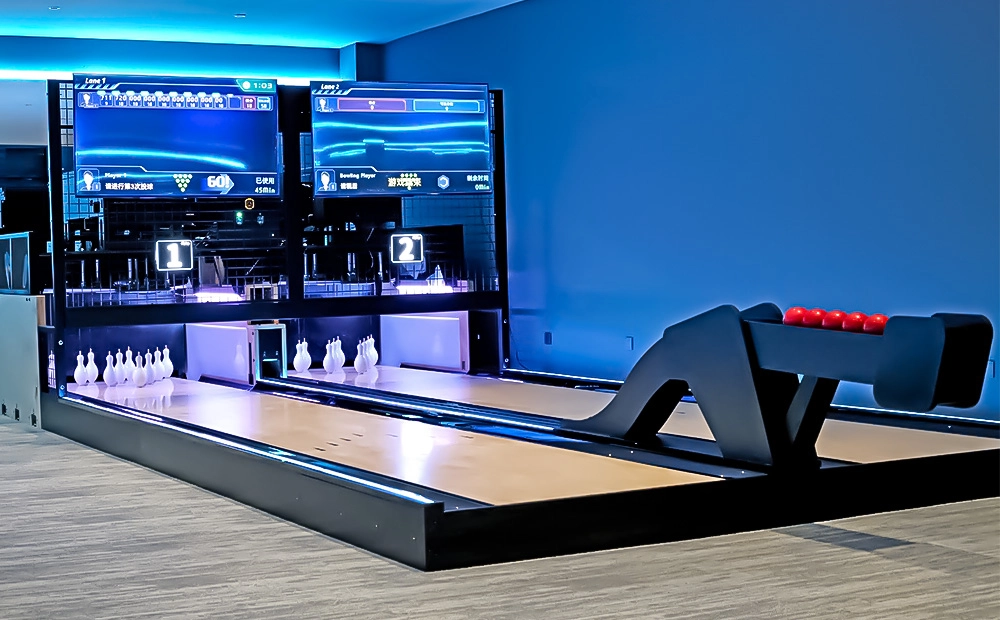
The innovative design of Flying Smart Duckpin Bowling (FSDB) makes it perfect for places like bars, billiard halls, and game centers. It makes people want to come back more often and spend more money. FSDB is fun and competitive, so it will become a new focus for social activities.
Flying Classic Standard Bowling
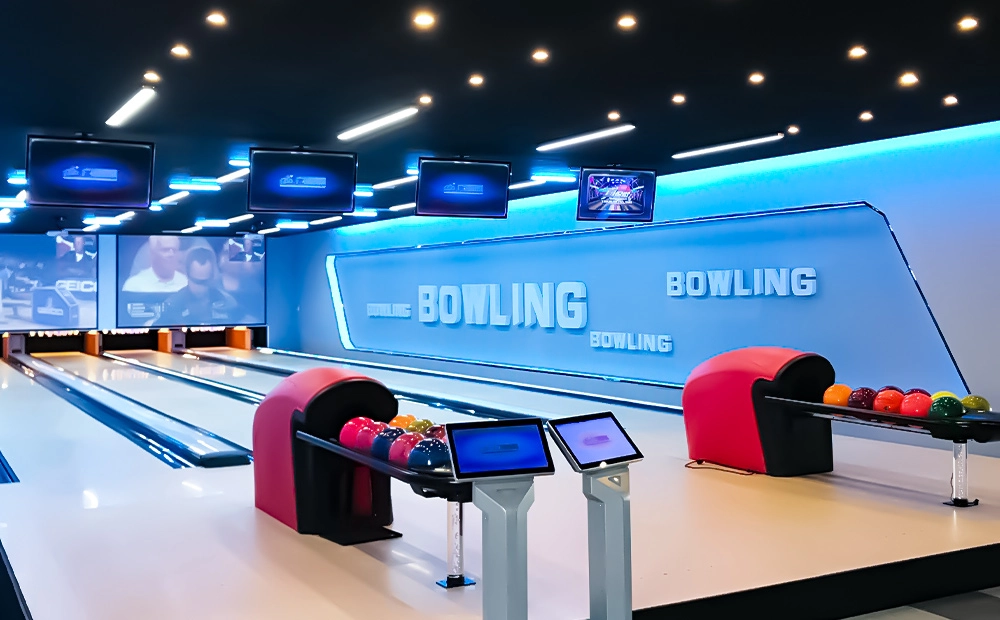
Flying Classic Standard Bowling (FCSB) employs the World Standard Competition Scoring System to deliver a more professional bowling experience, enabling bowlers to enjoy a professional-standard match at their convenience.
Flying Ultra Standard Bowling
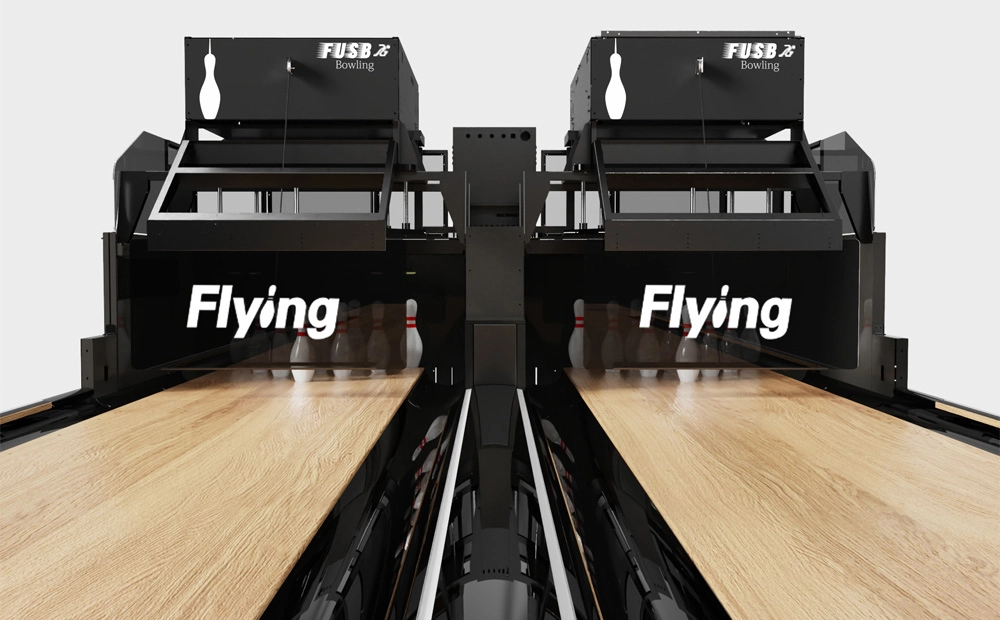
Flying Ultra Standard Bowling (FUSB) Upgraded Version
The string pinsetter uses the latest technology. It offers a more enjoyable bowling experience thanks to its innovative designs and modern technology.

Get in touch
Contact us
If you contact us now for more details, we can provide you with a custom bowling alley service.
Our service team will get back to you within 24 hours, normally!



Professional Bowling Alley Equipment Manufacturer, a one-stop solution provider for bowling alleys.
Facebook
YouTube
Linkedin
Twitter