















Blueprint to Brilliance: Building a State-of-the-Art Bowling Alley in 2026
This comprehensive guide outlines the essential steps for building a modern bowling alley, addressing both commercial entertainment hubs and luxury home installations. It covers critical financial projections, including construction costs ranging from $2 million to over $6 million, and explores the shift toward immersive experiences featuring LED lighting and interactive technology. The article provides expert insights on business planning, lane maintenance, and operational strategies to ensure long-term profitability in the evolving entertainment landscape.
- Introduction
- The Vision: Commercial vs. Home & Strategic Business Planning
- Defining Your Ambition
- Developing a Robust Business Plan
- Revenue Diversification
- Cost Analysis: A Deep Dive into Your Bowling Alley Investment
- Commercial Project Estimates
- Home Alley Investments
- Designing Your Dream Alley: Space, Layout & The 'Flying' Aesthetic
- Regulation Space Requirements
- The 'Flying' Experience: Immersive Design
- Integrating Technology and Flow
- The Build: Construction, State-of-the-Art Equipment & Technology
- Foundation and Sub-Structure
- Lane Materials: Synthetic vs. Wood
- Pinsetter Technology
- Advanced Scoring and Interaction
- Legal & Operational Foundations for Long-Term Success
- Navigating Permits and Zoning
- Staffing and Marketing
- Maintenance Protocols
- Elevating the Experience: Innovations for a Competitive Edge
- Niche Bowling Formats
- Brand Identity
- Sustainability
- Frequently Asked Questions
- What is the typical cost to build a commercial bowling alley in 2026?
- How much space is required for a standard bowling alley lane?
- Can I build a bowling alley at home, and what are the cost implications?
- What are the key technologies to consider for a modern bowling center?
- What permits and licenses are needed to open a bowling alley business?
- How can a bowling alley diversify its revenue streams beyond bowling?
- What is the typical timeline for building a new commercial bowling alley?
- What are the advantages of synthetic lanes over traditional wood lanes?
- References
Introduction
The bowling industry has undergone a radical transformation. Gone are the days of dimly lit, smoke-filled halls; the modern era is defined by high-tech entertainment destinations that fuse sport with social luxury. Whether you are an entrepreneur planning a commercial entertainment hub or a homeowner seeking the ultimate recreational sanctuary, the path to success lies in understanding the complexities of modern bowling center design.
Entering 2026, the demand for an immersive bowling experience has never been higher. Today’s venues are "eatertainment" complexes offering gourmet food, augmented reality gaming, and sophisticated ambiance. However, executing this vision requires meticulous planning. This commercial bowling alley guide serves as your blueprint, moving beyond basic construction to explore bowling business plan development, cost analysis, and the advanced bowling equipment technology necessary to compete in a rapidly evolving market.
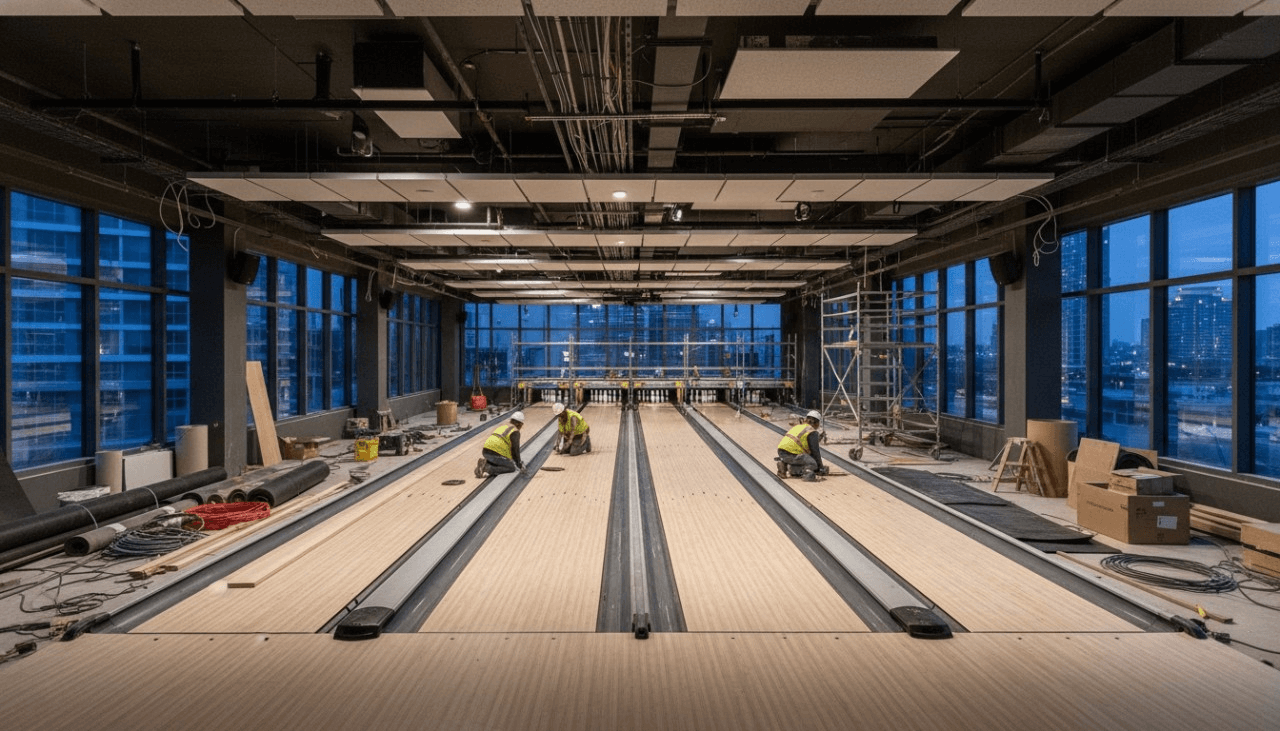
The Vision: Commercial vs. Home & Strategic Business Planning
Before ground is broken, the scope of the project must be clearly defined. The construction requirements for a boutique family entertainment center differ vastly from a private luxury installation, yet both require a strategic foundation.
Defining Your Ambition
For commercial investors, entertainment venue development is about identifying a niche. Are you building a league-focused traditional center, a boutique lounge with high-end cocktails, or a hybrid family fun zone? For homeowners, the focus is on integrating a home bowling alley installation that complements the property's architecture while providing professional-grade playability.
Developing a Robust Business Plan
According to a 2025 comprehensive guide on building bowling alleys, a clear business plan is the key to success. This document must go beyond financial projections to include:
· Executive Summary & Company Description: Defining the brand ethos.
· Market Analysis: Identifying the target audience—whether it be corporate teams, families, or luxury homeowners.
· Organization & Management: Structuring the operational hierarchy.
Revenue Diversification
Modern profitability relies on diverse revenue streams. As noted in industry guides, successful venues often generate significant income through food and beverage services, arcades, and event hosting. By moving beyond lane fees alone, operators can secure profitable bowling alley operations capable of weathering economic fluctuations.
Cost Analysis: A Deep Dive into Your Bowling Alley Investment
Understanding the bowling alley construction cost is critical for securing financing and managing the budget. Costs have risen due to inflation and technological advancements, making accurate estimation vital.
Commercial Project Estimates
The financial commitment for a commercial facility is substantial. According to SMA Estimating, the construction cost can range anywhere from $1,000,000 to $3,000,000 depending on the scope. However, for a truly modern facility, QTO Estimating suggests that costs can range from $2 million to $6 million, influenced heavily by location and zoning regulations.
· Per Lane Cost: Experts estimate the average cost to build a single bowling lane is approximately $25,460, though this excludes the building shell and peripheral amenities.
· UK Context: For international readers, a rough estimate for an empty site with services is between £1.5 million and £2 million.
Home Alley Investments
For private residences, the scale is smaller but the luxury factor can drive prices up. HomeGuide indicates that a single-lane home bowling alley costs between $75,000 and $100,000 to install. This investment includes the sub-floor, lane surface, pinsetter, and scoring system, but often excludes major structural modifications to the home.
Designing Your Dream Alley: Space, Layout & The 'Flying' Aesthetic
The design phase is where functionality meets "wow" factor. In 2026, aesthetics are driven by dynamic lighting and futuristic themes.
Regulation Space Requirements
Regardless of the setting, physics dictates the space needed. A standard lane requires a length of approximately 88 feet. This includes the approach (16 feet), the lane (60 feet), the pin deck, and the service aisle behind the pinsetter (minimum 3.5 feet), as detailed by Webflow’s pre-construction guide.
The 'Flying' Experience: Immersive Design
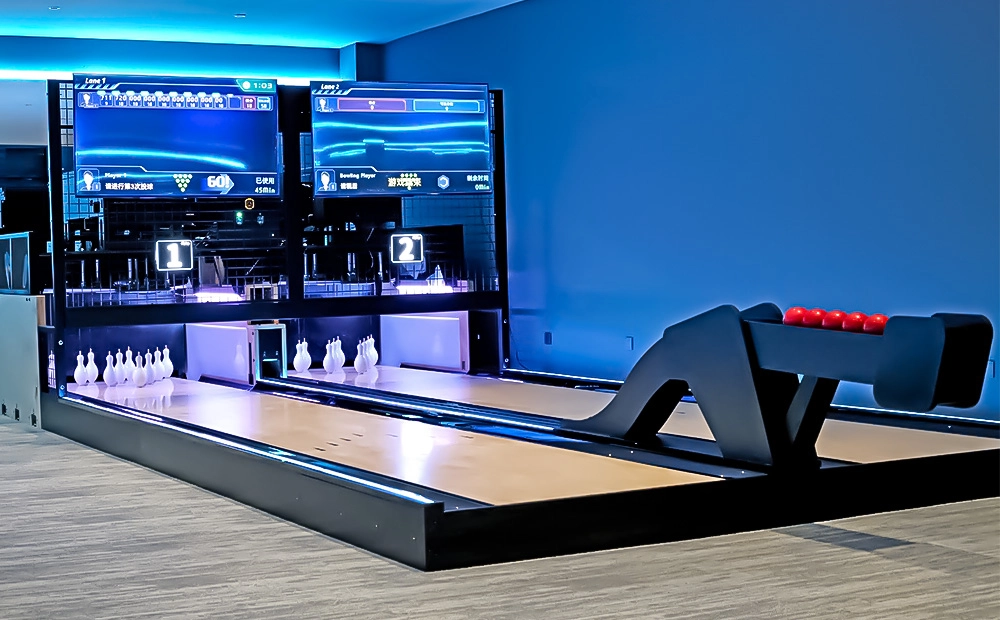
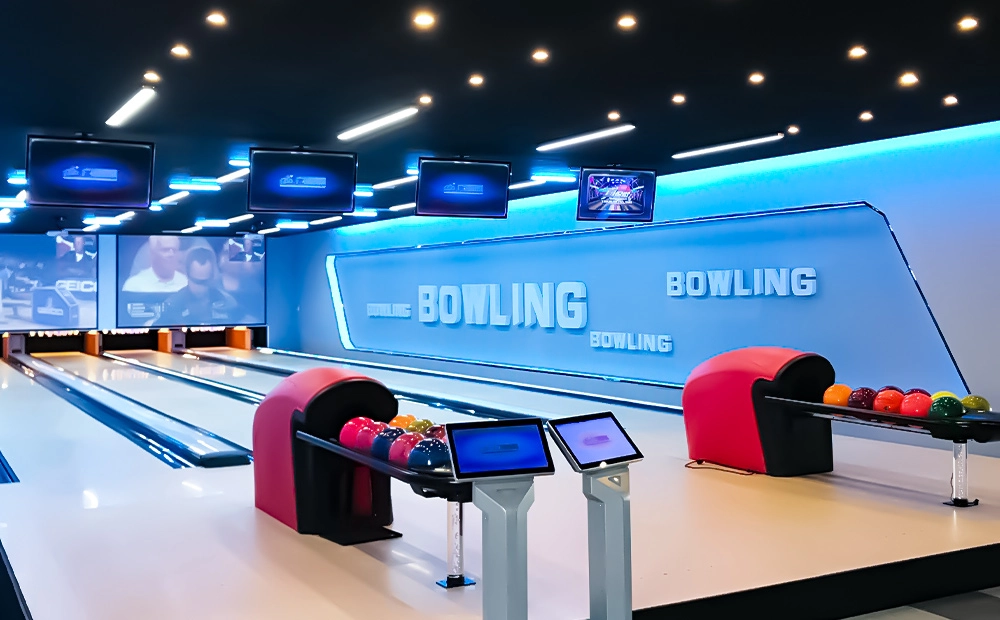
To capture the modern consumer's attention, design must be visceral. The image below illustrates the "Flying" concept—a prime example of modern bowling center design.
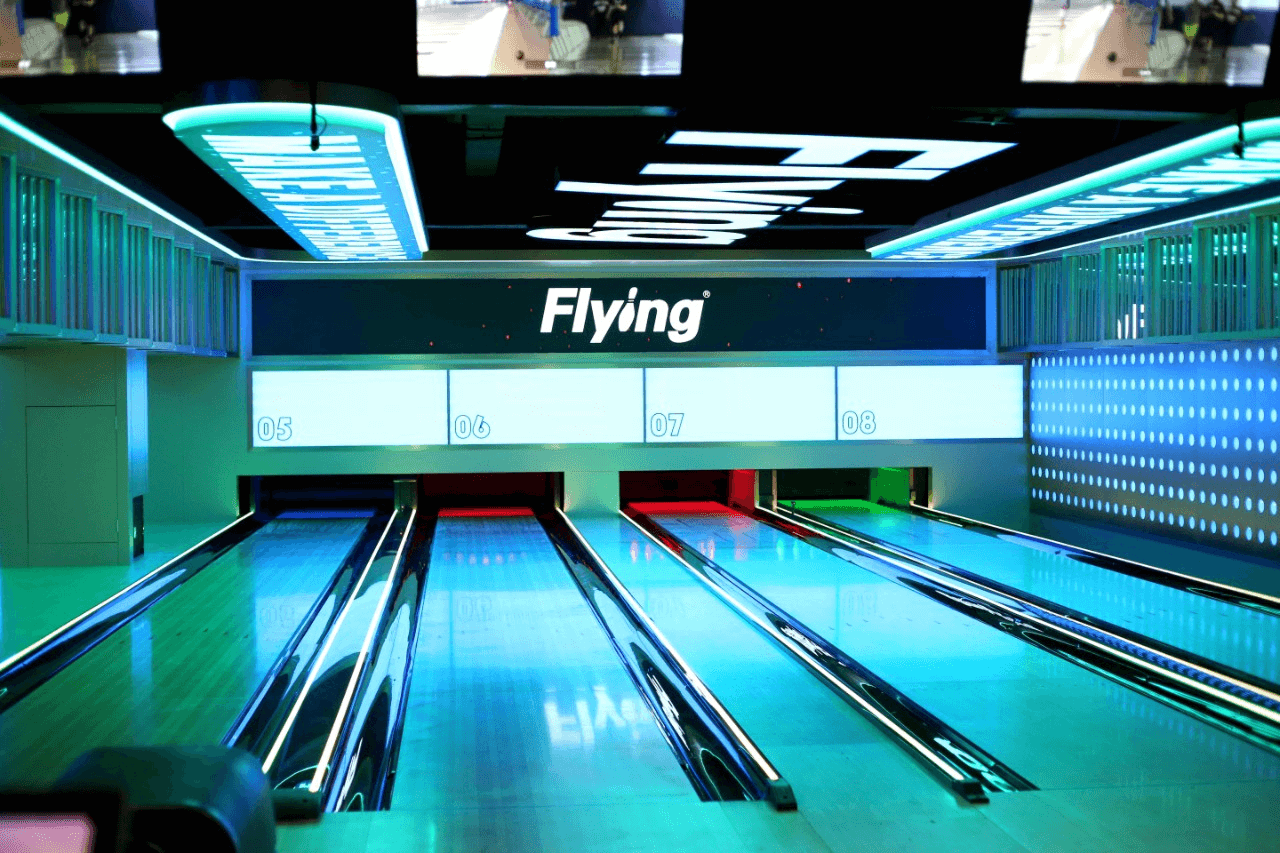
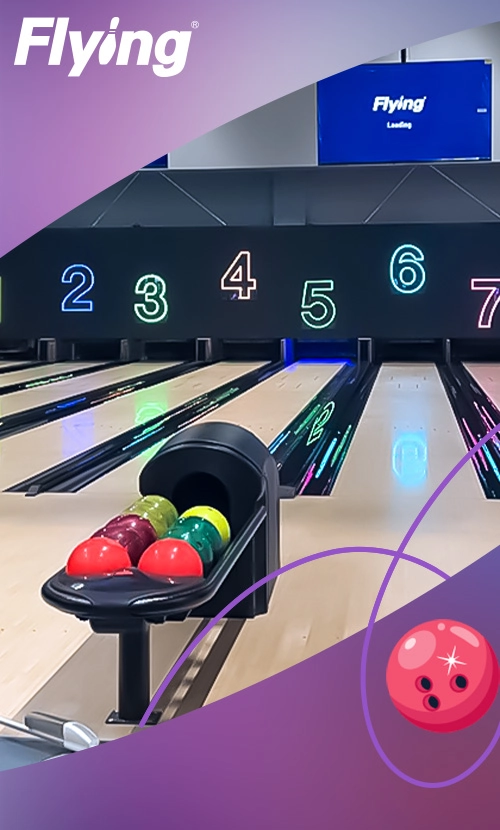
As seen in this visual, the venue utilizes a futuristic aesthetic characterized by electric blue and green LED strips that outline the lanes (05 through 08) and illuminate the ceiling panels. The design moves away from static lighting to create an energetic, club-like atmosphere. The reflective surfaces of the lanes and the chrome accents around the gutters amplify the light, creating a deep, immersive glow. Note the "Flying®" brand logo prominently displayed, suggesting a cohesive brand identity that promises speed and excitement. This type of environment—where digital score screens and architectural lighting merge—is essential for creating the immersive bowling experience that defines top-tier venues in 2026.
Integrating Technology and Flow
· Traffic Flow: Layouts must optimize the movement between the concourse, bar, and lanes.
· Lighting: Utilizing dynamic LED systems allows venues to shift from bright "league mode" to a "cosmic" party atmosphere instantly.
· Sound: Integrated sound systems must be zoned to allow for high-energy music in the lane area and conversation-friendly levels in dining zones.
The Build: Construction, State-of-the-Art Equipment & Technology
The physical construction phase requires specialized contractors and a focus on bowling lane materials and maintenance.
Foundation and Sub-Structure
The most critical aspect of construction is a level foundation. Any variance can ruin the ball's trajectory. Whether for a commercial site or a home bowling alley installation, the sub-floor must be engineered to withstand the immense weight of the equipment and the vibration of dropping bowling balls.
Lane Materials: Synthetic vs. Wood
While wood offers nostalgia, synthetic lanes are the industry standard for 2026. They offer superior durability, consistency, and ease of maintenance. They also allow for aesthetic customization, such as the "glow" effects seen in modern designs.
Pinsetter Technology
A major decision lies in selecting the pinsetter.
· Free-Fall Pinsetters: The traditional choice, favored by purists and competitive leagues.
· String Pinsetters: Gaining massive popularity due to lower energy consumption and reduced maintenance costs. They are increasingly accepted in casual and hybrid entertainment centers.
Advanced Scoring and Interaction
Advanced bowling equipment technology has revolutionized the bowler's interface. Modern scoring systems offer touchscreen consoles, tablet integration, and gamification features (like "Angry Birds" style bowling games) that appeal to younger demographics. As seen in the "Flying" design, digital displays are no longer just for scores—they are part of the decor.
Legal & Operational Foundations for Long-Term Success
Building the facility is only half the battle; operating it requires legal compliance and a strategic mindset.
Navigating Permits and Zoning
As noted by QTO Estimating, costs and timelines can vary greatly depending on location due to restrictive zoning regulations. You must secure:
· Building and Occupancy Permits.
· Health and Safety Licenses (especially for F&B).
· Liquor Licenses (often the highest margin revenue stream).
Staffing and Marketing
Hiring skilled staff—particularly lane mechanics—is non-negotiable. On the marketing front, a digital-first strategy is required. Utilizing the visual appeal of your venue (like the LED-lit lanes) on social media is a powerful tool to drive foot traffic.
Maintenance Protocols
Bowling lane materials and maintenance schedules must be rigorous. This includes daily oiling of lanes (conditioning) and regular servicing of pinsetters to prevent downtime, which directly impacts revenue.
Elevating the Experience: Innovations for a Competitive Edge
To stand out, your venue must offer more than just ten frames.
Niche Bowling Formats
Consider incorporating Duckpin, Mini-Bowling, or Hyper-Bowling. These formats require less space and offer faster gameplay, increasing table turnover and revenue per hour.
Brand Identity
Your brand should resonate with your target market. The "Flying" brand discussed earlier suggests a sleek, fast-paced identity. Whether you choose "retro-chic" or "cyber-future," consistency across your decor, uniforms, and digital presence is vital.
Sustainability
Eco-friendly operations are becoming a standard expectation. Using energy-efficient LED lighting, string pinsetters, and sustainable building materials not only reduces the carbon footprint but also lowers long-term utility costs.
Frequently Asked Questions
What is the typical cost to build a commercial bowling alley in 2026?
Commercial bowling alleys can range from $2 million to $8 million or more, depending on size, number of lanes, location, and level of luxury. According to SMA Estimating and QTO Estimating, costs have varied historically between $1 million and $6 million, but modern inflation and high-tech fit-outs push these figures higher. Costs include land, construction, equipment, interior design, permits, and initial operating capital.
How much space is required for a standard bowling alley lane?
A regulation 10-pin bowling lane typically requires about 88-100 feet in length. As stated by HomeGuide and Webflow, this includes the approach (16 ft), lane (60 ft), pin deck, and service aisle. The width per lane is approximately 5-6 feet, plus additional space for gutters, ball returns, and seating.
Can I build a bowling alley at home, and what are the cost implications?
Yes, home bowling alleys are possible. HomeGuide estimates the cost for a single-lane installation ranges from $75,000 to $100,000. Costs depend heavily on professional installation, equipment quality, and customization (e.g., scoring systems, lighting).
What are the key technologies to consider for a modern bowling center?
Key technologies include advanced scoring systems with interactive features and tablet integration, dynamic LED lane lighting (like the "Flying" concept), and projection mapping for immersive experiences. Additionally, robotic or string pinsetters are crucial for efficiency and reduced maintenance.
What permits and licenses are needed to open a bowling alley business?
Building permits, occupancy permits, health and safety licenses, liquor licenses (if serving alcohol), and business operating licenses are typically required. Zoning regulations and ADA compliance are also crucial considerations, as noted in industry construction guides.
How can a bowling alley diversify its revenue streams beyond bowling?
Venues can offer a full-service bar and restaurant, arcade or redemption games, and host corporate events or birthday parties. Other options include operating a pro shop, hosting bowling leagues, implementing loyalty programs, and integrating attractions like VR experiences.
What is the typical timeline for building a new commercial bowling alley?
The process can take anywhere from 12 to 24 months. This includes planning, design, permits, construction, equipment installation, and final inspections. Timelines vary significantly based on project complexity and local regulations.
What are the advantages of synthetic lanes over traditional wood lanes?
Synthetic lanes offer superior durability, require less maintenance, and provide a more consistent playing surface. They are easier to clean and resist wear and tear better than wood, leading to lower long-term operating costs and better aesthetic customization options.
References
· SMA Estimating: How Much Does it Cost to Build a Bowling Alley
· QTO Estimating: How Much Does It Cost to Build a Bowling Alley
· HomeGuide: How Much Does a Home Bowling Alley Cost? (2026)
· Webflow: Custom Private Bowling Alley - Pre-Construction Guide

Quality Bowling
Service
How long do you provide warranty service?
The whole machine is under warranty for 2 years, and the core components (motor/mainboard) are extended to 3 years, and the maintenance is at cost price for life.
How to complain if you are not satisfied with the after-sales service?
You can directly contact the Global Service Director (email: mike@flyingbowling.com/phone: 0086 18011785867), and we promise to issue a solution within 24 hours.
What are the free cases during the warranty period, and what are the cases that require additional charges?
Covering failures caused by material/workmanship defects, providing free labor and parts repairs; non-quality damage will be charged at cost, and a detailed quotation will be provided for confirmation before repair.
Products
Does your bowling equipment meet international standards?
It meets international standards. The equipment strictly follows the US USBC (United States Bowling Congress) international standard certification, which is one of the highest standards recognized by the global bowling industry. USBC certification ensures that our equipment has reached the international top level in terms of safety, durability, performance and user experience.
Technology
How can I get the latest technology upgrades?
Our customers can get software updates for free and hardware upgrades at cost price.
You May Also Like
Flying Smart Duckpin Bowling
The innovative design of Flying Smart Duckpin Bowling (FSDB) makes it perfect for places like bars, billiard halls, and game centers. It makes people want to come back more often and spend more money. FSDB is fun and competitive, so it will become a new focus for social activities.
Flying Classic Standard Bowling
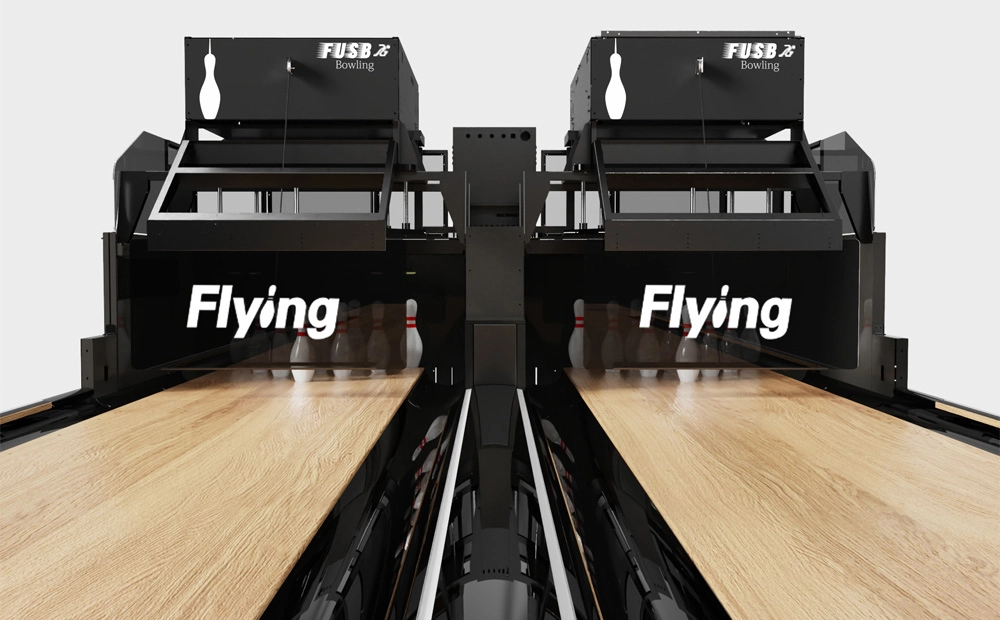
Flying Classic Standard Bowling (FCSB) employs the World Standard Competition Scoring System to deliver a more professional bowling experience, enabling bowlers to enjoy a professional-standard match at their convenience.
Flying Ultra Standard Bowling
Flying Ultra Standard Bowling (FUSB) Upgraded Version
The string pinsetter uses the latest technology. It offers a more enjoyable bowling experience thanks to its innovative designs and modern technology.

Get in touch
Contact us
If you contact us now for more details, we can provide you with a custom bowling alley service.
Our service team will get back to you within 24 hours, normally!



Professional Bowling Alley Equipment Manufacturer, a one-stop solution provider for bowling alleys.
Facebook
YouTube
Linkedin
Twitter