
















Is a Bowling Alley Business Profitable? A Complete Guide to Costs and Margins
Owning a bowling alley can be a highly profitable venture, with net margins reaching 20-30% for modern Family Entertainment Centers. This guide breaks down the substantial startup costs ($800k-$5M+), monthly operational expenses, and the critical shift toward high-margin food and beverage revenue streams.
- Introduction
- Are bowling alleys profitable businesses?
- How much does it cost to open a bowling alley?
- What are the average profit margins for a bowling alley?
- How do bowling alleys make money beyond lane rentals?
- Is owning a bowling alley a good investment?
- What are the ongoing monthly expenses for a bowling alley?
- How much does it cost to build a bowling lane?
- What licenses and permits are needed to run a bowling alley?
- How much do bowling alley owners make a year?
- Conclusion
- References
Introduction
The sound of pins crashing, the smell of rental shoes and pizza, and the cheer of a strike—bowling alleys have been a staple of social entertainment for decades. But for an entrepreneur, the real question isn't about the high score; it's about the bottom line. Is a bowling alley business profitable?
In recent years, the industry has undergone a massive transformation. The dusty, league-only halls of the past are being replaced by dynamic Family Entertainment Centers (FECs) that blend bowling with high-end dining, arcades, and corporate events. This shift has revitalized the market, making it an attractive option for investors looking for steady cash flow and diverse revenue streams. However, the barrier to entry is high, and success requires navigating complex operational costs.
This guide provides a deep dive into the financial reality of owning a bowling alley. From the initial cost of building a lane to the profit margins on a pitcher of beer, we cover every dollar sign you need to know before breaking ground.
Are bowling alleys profitable businesses?
Yes, bowling alleys can be highly profitable businesses, but the definition of "profitable" has evolved. Traditional centers that rely solely on lane rentals often see modest returns, while modern hybrid centers—those that combine bowling with food, beverage, and other entertainment—are seeing significant growth.
According to industry data, successful bowling centers typically achieve a net profit margin of 10% to 20%. However, centers that successfully implement the Family Entertainment Center (FEC) model, which emphasizes high-margin add-ons like arcades and laser tag, can push these margins closer to 25-30%. The global bowling centers market size was valued at approximately $19.5 billion in 2024 and is projected to grow, driven largely by this shift toward immersive entertainment experiences rather than just sport bowling.
Profitability is heavily dependent on utilization rates. A lane sitting empty on a Tuesday morning costs money in rent and utilities. Successful owners maximize profitability by filling off-peak hours with corporate team-building events, birthday parties, and school field trips, ensuring the facility generates revenue beyond the Friday night rush.
How much does it cost to open a bowling alley?
Opening a bowling alley is a capital-intensive venture. The total cost varies wildly based on location, size, and whether you are retrofitting an existing building or constructing from the ground up. On average, you can expect to invest between $800,000 and $5 million+.
Here is a typical breakdown of the major startup costs:
· Real Estate & Construction: This is the largest expense. Retrofitting a big-box retail space (like an old department store) is common. Construction costs can range from $150 to $300 per square foot.
· Equipment: A new lane setup—including the pinsetter, ball return, and scoring system—is a major line item. You should budget approximately $45,000 to $80,000 per lane for new equipment.
· Furniture & Fixtures: Seating, front desk counters, and rental shoe inventory.
· Kitchen & Bar Buildout: If you plan to serve food (which is highly recommended for profitability), a commercial kitchen and bar can add $150,000 to $400,000 to your budget.
For a smaller, boutique 8-lane center, costs might start around $800,000 to $1.5 million. A full-sized 24-lane entertainment complex can easily exceed $5 million.
What are the average profit margins for a bowling alley?
Profit margins in the bowling industry are unique because the "product" (the lane) can be resold thousands of times with minimal direct cost of goods sold (COGS).
· Gross Profit Margins: These are typically high, often ranging from 40% to 60%. Once the lanes are built, the direct cost to host a game is electricity and wear-and-tear.
· Net Profit Margins: After factoring in high fixed costs like rent, insurance, and labor, the net profit usually settles between 10% and 15% for traditional centers.
However, the revenue mix dramatically changes these numbers.
· Bowling Lane Rentals: High gross margin, but capped by time (you can only sell a lane once per hour).
· Food & Beverage (F&B): Margins on alcohol can exceed 75%, while food typically hovers around 30-35%.
· Arcade/Amusements: These are the "silent earners." Redemption games and arcades can have profit margins as high as 80-90% because they require no labor to operate once installed.
How do bowling alleys make money beyond lane rentals?
The "lane rental only" model is largely obsolete. Modern bowling alleys operate as diversified entertainment hubs. To survive and thrive, a center must tap into multiple revenue streams:
· Food and Beverage (F&B): This is often the biggest profit driver. In many modern FECs, F&B accounts for 30% to 50% of total revenue. This ranges from simple snack bars to full-service restaurants and craft cocktail bars.
· Shoe Rentals: A consistent ancillary revenue stream. While the fee is small ($3-$6 per person), it is almost pure profit after the initial inventory purchase.
· Arcade and Games: Adding an arcade is one of the fastest ways to boost revenue per square foot. It captures revenue from customers waiting for a lane or those who finished bowling.
· Leagues and Tournaments: while less dominant than in the past, leagues provide guaranteed "base" income during slow weeknights (Monday–Thursday).
· Parties and Corporate Events: High-ticket items. A single corporate buyout or a weekend of birthday parties can generate as much revenue as a whole week of open play.
Is owning a bowling alley a good investment?
Owning a bowling alley can be a strong investment, particularly for those who view it as a real estate or hospitality play.
Pros:
· Cash Flow: Successful centers generate significant daily cash flow.
· Resilience: The industry has shown resilience; people always seek affordable, social entertainment.
· High Barrier to Entry: The high startup cost discourages oversaturation. If you are the only modern alley in town, you have a defensible moat.
· Diverse Revenue: You aren't reliant on just one product. If bowling is slow, the bar or arcade might still be busy.
Cons:
· High CapEx: The initial investment is massive compared to other small businesses.
· Maintenance Heavy: Pinsetters are complex machines with thousands of moving parts. Breakdowns are inevitable and expensive.
· Large Footprint: You need a lot of space (10,000+ sq ft), which means high rent and utility bills.
· Staffing Challenges: You are effectively running a restaurant, a bar, and a mechanical facility simultaneously, requiring a large and varied staff.
For investors willing to manage a complex, multi-faceted operation, the ROI typically stabilizes within 3 to 7 years.
What are the ongoing monthly expenses for a bowling alley?
Once the doors open, the operational overhead is significant. For a standard mid-sized center, monthly expenses can easily range from $50,000 to $100,000+.
· Labor (Payroll): The largest expense, typically consuming 30-40% of revenue. This includes front desk staff, servers, bartenders, cooks, and crucially, the mechanic (a specialized role that commands a higher wage).
· Rent/Mortgage: Due to the large square footage required, rent can range from $5,000 to $20,000+ per month, depending heavily on the real estate market.
· Utilities: Bowling centers are energy hogs. Lighting, HVAC for a massive open space, and powering 20+ lane machines can cost $3,000 to $8,000+ per month.
· Maintenance: Spare parts and lane oil are recurring costs. Budget roughly $1,500 to $3,000 per month for repairs and upkeep.
· Insurance: Liability insurance is non-negotiable and expensive due to the physical nature of the activity and alcohol service.
How much does it cost to build a bowling lane?
If you are looking strictly at the "per lane" construction cost (excluding the building shell), the price depends on the technology used.
· Commercial Lanes: For a professional, regulation-standard setup (including the synthetic lane surface, pinsetter, ball return, and scoring monitors), the cost is approximately $45,000 to $80,000 per lane.
· Home/Private Lanes: For a luxury home installation, costs are higher due to lack of scale, often ranging from $75,000 to $100,000 for a single lane.
· String Pinsetters: Many new businesses are opting for "string pinsetters" (where pins are attached to strings) rather than traditional free-fall machines. These are cheaper to buy and significantly cheaper to maintain, potentially lowering the per-lane capital cost by 20-30%.
What licenses and permits are needed to run a bowling alley?
A bowling alley is a regulatory hybrid of a sports facility, a restaurant, and a bar. You will need a stack of permits before opening day:
· Business License: The standard operating license from your city or county.
· Certificate of Occupancy: A critical building permit proving your facility meets safety codes for large crowds (fire exits, capacity limits).
· Liquor License: Essential for profitability. This can be the most difficult and expensive permit to obtain, sometimes costing tens of thousands of dollars depending on your state's quota system.
· Food Service/Health Permit: Required if you serve any food. Requires regular inspections of your kitchen and storage.
· Music/Entertainment License: If you play copyrighted music (which you will), you must pay licensing fees to organizations like ASCAP or BMI.
· Amusement Permit: Some municipalities require a specific permit for operating arcade games or coin-operated machines.
How much do bowling alley owners make a year?
Owner earnings vary drastically between a "mom-and-pop" alley and a modern entertainment center.
· Average Owner Salary: According to industry benchmarks, the average annual take-home income for a bowling alley owner ranges from $50,000 to $150,000. This is often structured as a salary plus profit distribution.
· High-Performing Centers: Owners of large, high-traffic FECs or those with multiple locations can see earnings significantly higher, with EBITDA (Earnings Before Interest, Taxes, Depreciation, and Amortization) exceeding $300,000 to $500,000+ annually.
The most successful owners are those who have moved away from the "bowling only" mindset. By maximizing revenue per customer through food, drinks, and add-on games, they significantly increase their net income compared to owners operating traditional, league-focused alleys.
Conclusion
Is a bowling alley profitable? Absolutely—but not if you run it like it's 1980. The modern profitability of this business lies in diversification. It is no longer just about selling frames of bowling; it is about selling an experience. While the startup costs are formidable and the operational complexity is high, the potential for strong returns, particularly with high-margin food and beverage sales, makes it a compelling investment for the right operator.
References
· How Much Does a Bowling Alley Make? - Sheets.Market
· Bowling Centers in the US Industry Analysis - IBISWorld
· How to Open a Bowling Alley - Growthin
· Is Owning a Bowling Alley Profitable in 2025? - Flying Bowling

Quality Bowling

Technology
How can I get the latest technology upgrades?
Our customers can get software updates for free and hardware upgrades at cost price.
Installations
Was the equipment installed by professional technicians?
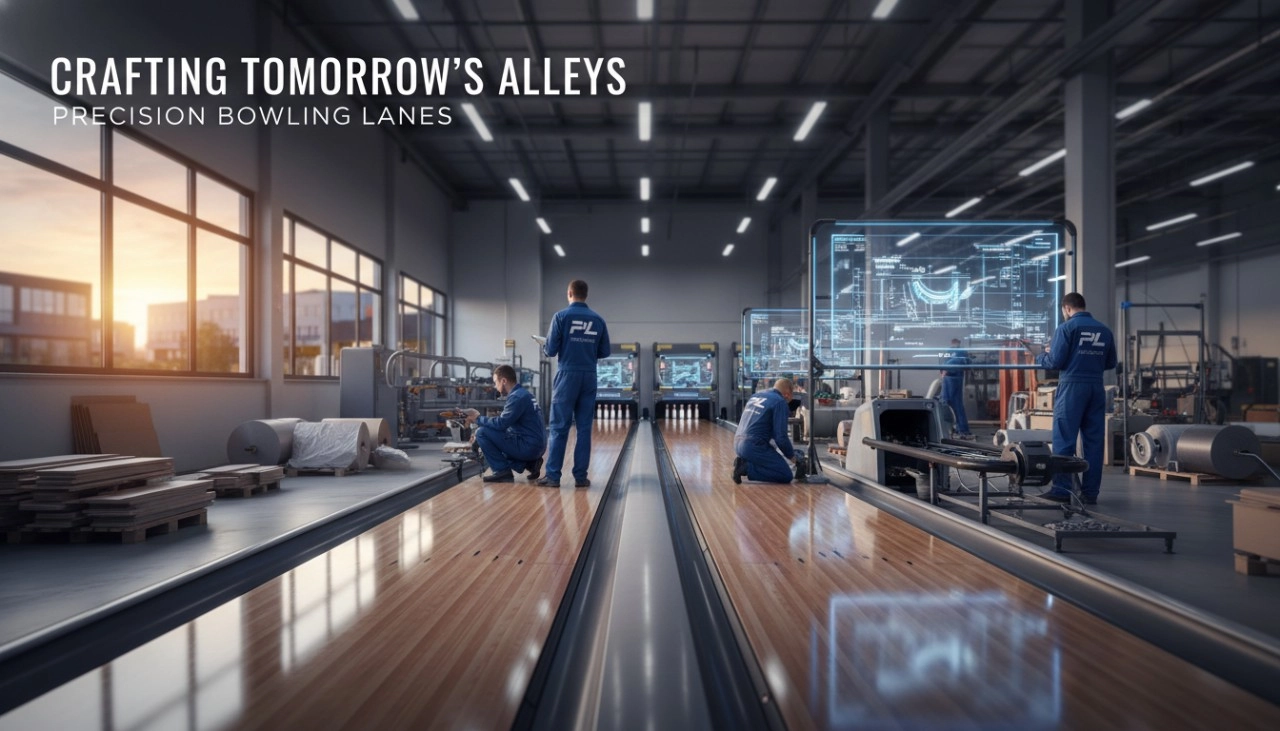
The installation team we dispatched is composed of professional technicians who have undergone rigorous assessment and training and have rich experience in bowling equipment installation. The team uses digital debugging tools throughout the process to ensure that each component of the equipment can be accurately installed and debugged to achieve optimal operating conditions.
Do you provide technical support after the installation?
Absolutely. We offer ongoing technical support, including regular maintenance and emergency repair services.
Customer care
My room isn't quite long enough. Can you install slightly shorter lanes that are non-regulation length?
Of course, we can customize bowling lanes according to your venue.
Products
Can I customize the bowling equipment to fit my venue's theme?
Yes, we offer fully customized solutions, including lane colors, scoring systems, and pinsetter designs to match your venue’s theme.
You May Also Like
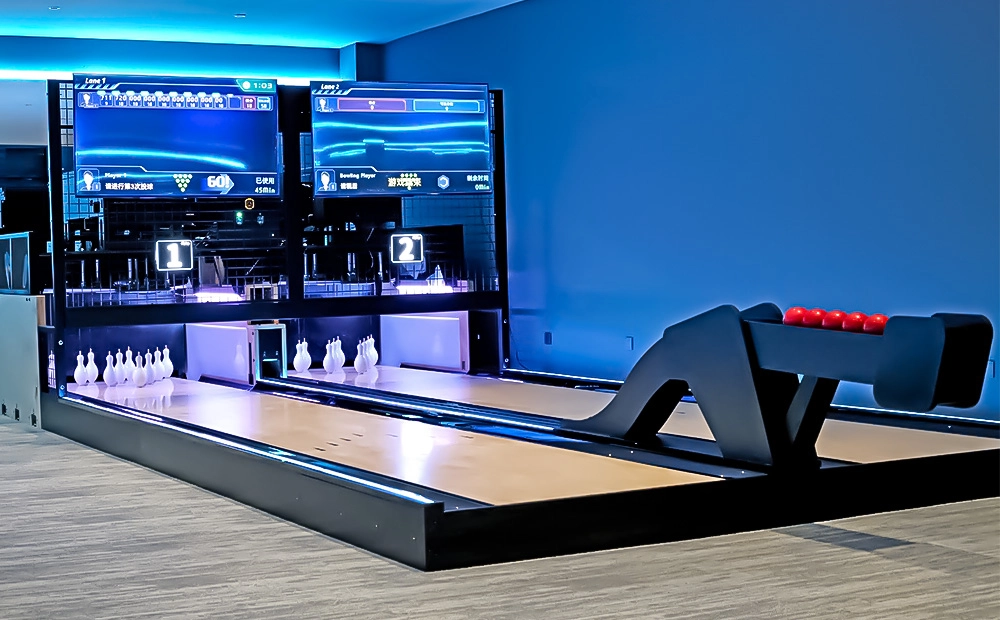
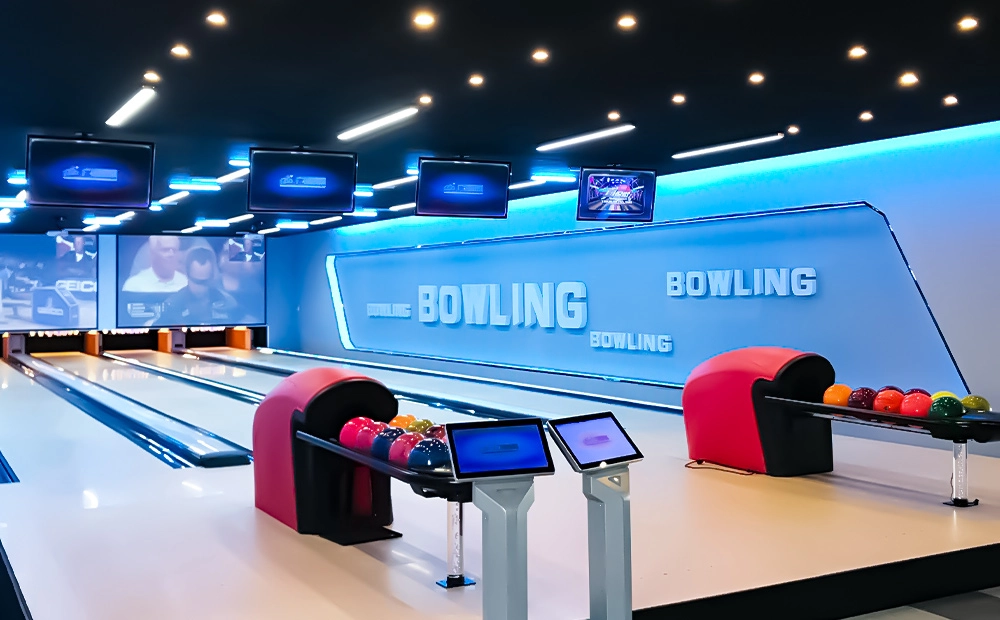
Flying Smart Duckpin Bowling
The innovative design of Flying Smart Duckpin Bowling (FSDB) makes it perfect for places like bars, billiard halls, and game centers. It makes people want to come back more often and spend more money. FSDB is fun and competitive, so it will become a new focus for social activities.
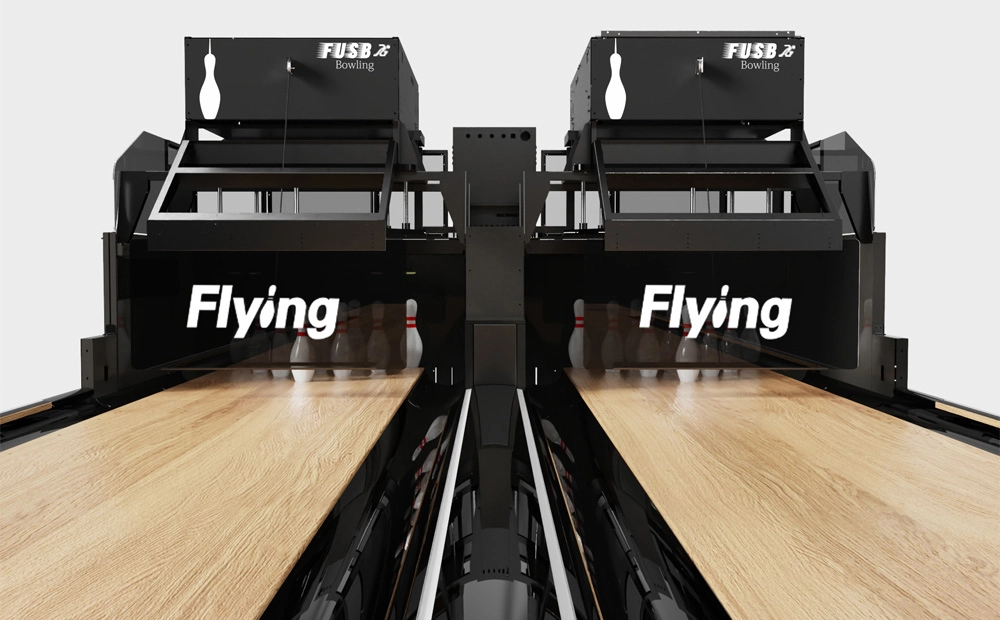
Flying Classic Standard Bowling
Flying Classic Standard Bowling (FCSB) employs the World Standard Competition Scoring System to deliver a more professional bowling experience, enabling bowlers to enjoy a professional-standard match at their convenience.
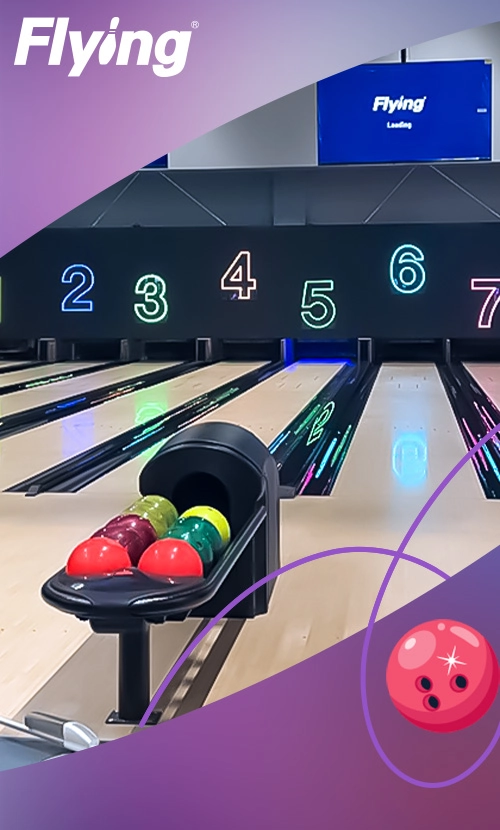
Flying Ultra Standard Bowling
Flying Ultra Standard Bowling (FUSB) Upgraded Version
The string pinsetter uses the latest technology. It offers a more enjoyable bowling experience thanks to its innovative designs and modern technology.

Get in touch
Contact us
If you contact us now for more details, we can provide you with a custom bowling alley service.
Our service team will get back to you within 24 hours, normally!



Professional Bowling Alley Equipment Manufacturer, a one-stop solution provider for bowling alleys.
Facebook
YouTube
Linkedin
Twitter