














Bowling Alley Equipment Cost 2026: The Comprehensive ROI & Investment Blueprint
A comprehensive 2026 investment guide for bowling alley equipment. Covers cost per lane, string vs. free-fall pinsetters, startup budgets, and ROI analysis for commercial and home projects.
- Executive Summary: Key Takeaways for 2026 Investors
- What is the average commercial bowling lane cost per lane in 2026?
- String Pinsetter vs Free Fall Price: Which Yields Better ROI?
- Core Hardware Cost Breakdown: The "Hard" Assets
- The Technology Premium: Scoring, POS, and Gamification
- Home Bowling Alley Installation Cost: The Residential Premium
- The Investment Blueprint: ROI & Total Cost of Ownership (TCO)
- Expert Tips: Smart Buying Strategies for 2026
- Frequently Asked Questions (FAQ)
- How much does a 4-lane commercial bowling setup cost?
- Are string pinsetters cheaper than traditional pinsetters?
- What is the lifespan of modern synthetic bowling lanes?
- Can I finance bowling alley equipment?
- How much revenue does a single bowling lane generate?
- What is the cost difference between new and used bowling equipment?
- Do I need specialized flooring for bowling equipment installation?
- How much does a residential home bowling alley cost?
- References
Executive Summary: Key Takeaways for 2026 Investors
The bowling industry in 2026 has shifted heavily toward "Eatertainment"—hybrid venues combining high-tech gaming with premium food and beverage. For investors, this means the bowling center startup budget 2026 must account not just for mechanical hardware, but for digital gamification layers that drive revenue.
Quick Reference: 2026 Cost Estimates
- Commercial Lane (New): $45,000 – $80,000 per lane (Turnkey).
- Home Lane (Single): $75,000 – $100,000+.
- String Pinsetter: $8,000 – $12,000 per unit (Hardware only).
- Free-Fall Pinsetter: $15,000 – $25,000+ per unit.
What is the average commercial bowling lane cost per lane in 2026?
In 2026, the average cost for a fully installed new commercial bowling lane ranges from $45,000 to $80,000, depending on the technology suite and customization. This figure includes the lane surface, pinsetter, ball return, and scoring system but excludes building construction.
Understanding the commercial bowling lane cost per lane requires breaking down the pricing tiers, as "lane cost" is rarely a single line item. The variance is driven largely by the choice between standard mechanical functionality and the new wave of "interactive" lanes that project games onto the wood.
- Economy Setup ($25,000 – $35,000 per lane): typically utilizes refurbished pinsetters and basic synthetic lanes. Best for traditional leagues or budget-conscious retrofits.
- Mid-Range Standard ($45,000 – $55,000 per lane): New synthetic lanes, new string pinsetters, and standard LED scoring monitors. The industry standard for Family Entertainment Centers (FECs).
- Premium "Boutique" ($60,000 – $80,000+ per lane): Custom masking units, interactive projection technology (like Unreal Bowling), and luxury lounge furniture. These generate 20–30% higher revenue per hour.
String Pinsetter vs Free Fall Price: Which Yields Better ROI?
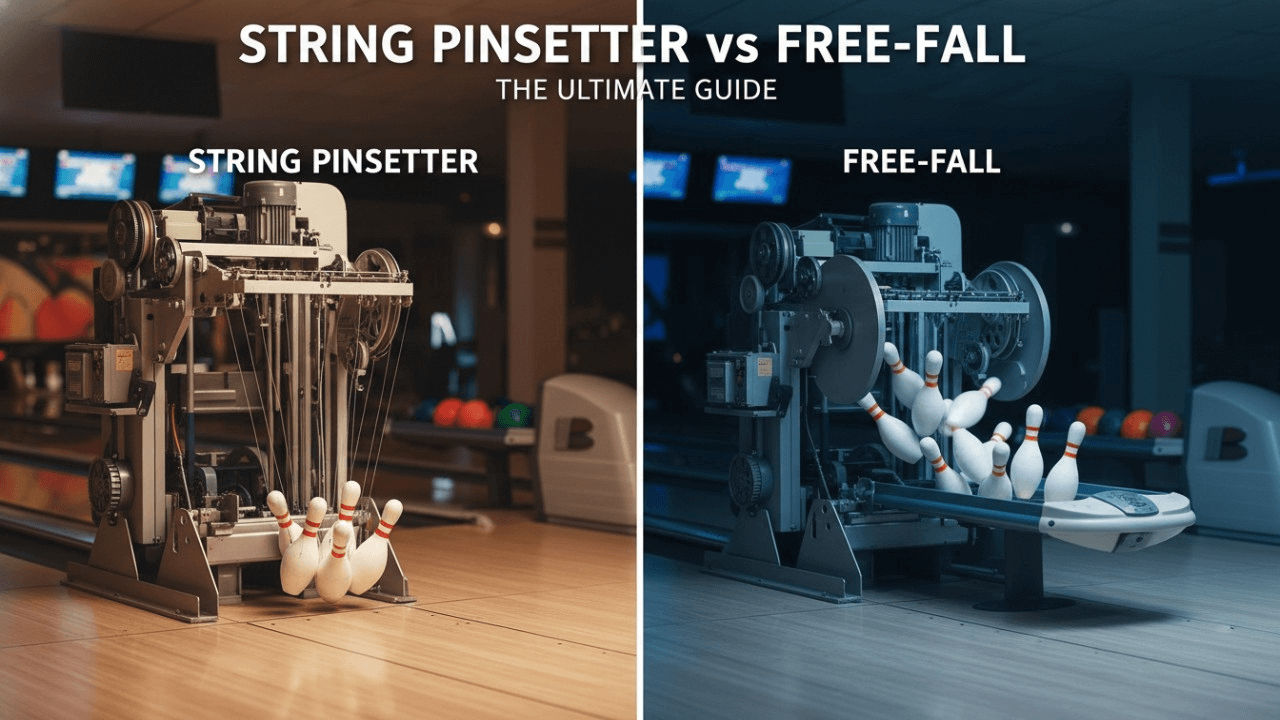
String pinsetters are significantly cheaper, costing $8,000 to $12,000 per lane compared to $15,000 to $25,000 for traditional free-fall machines. Beyond the sticker price, string machines reduce long-term operational costs by up to 90%.
When analyzing string pinsetter vs free fall price, the conversation in 2026 has moved beyond just "purist" preferences. Major sanctioning bodies (USBC, IBF) have certified string machines for competitive play, removing the biggest barrier to adoption. For 95% of new entertainment centers, string technology is the logical financial choice.
Financial Comparison:
- Upfront Savings: String machines save roughly $10,000 per lane in initial capital expenditure (CapEx).
- Energy Efficiency: String units operate on 24V DC power, consuming ~70% less electricity than the heavy motors of free-fall systems.
- Maintenance Labor: Free-fall machines have over 4,000 moving parts and require a specialized mechanic (salary $60k+). String machines have fewer than 100 parts and can be serviced by general staff.
- Spare Parts: Annual parts budget for string machines is often under $500/lane, versus $2,000+/lane for free-fall.
Core Hardware Cost Breakdown: The "Hard" Assets
The physical infrastructure of a bowling alley constitutes the bulk of your CapEx. While pinsetters are the "heart," the lanes and furniture are the "face" of your business.
2026 Pricing Estimates for Core Components:
- Synthetic Lanes ($10,000 – $15,000 per lane): Modern synthetic overlays are durable and offer consistent play. Full lane replacement for wood lanes is rare and costly; most centers opt for synthetic overlays.
- Ball Return Systems ($3,000 – $6,000 per lane): Above-ground systems are cheaper and easier to install, while underground systems (preferred for clean aesthetics) require more trenching and labor.
- Furniture & Seating ($2,000 – $5,000 per lane): The trend is "sofa style" soft seating. Expect to pay a premium for stain-resistant, commercial-grade fabrics that withstand high traffic. Avoid standard hard plastic chairs if you want to drive F&B sales—comfort equals longer dwell time.
The Technology Premium: Scoring, POS, and Gamification
Modern scoring and gamification systems add $5,000 to $15,000 per lane but are essential for maximizing revenue per square foot. In 2026, customers expect an iPad-like experience, not a pixelated 1990s monitor.
Investing in "Gamification"—where the lane itself becomes a video game surface—is the single biggest driver of bowling equipment ROI analysis. Centers equipping lanes with systems like HyperBowling or interactive projectors report revenue uplifts of 25% or more.
Tech Cost Drivers:
- Scoring Monitors: Overhead LED screens (50-inch+) and tablet consoles cost roughly $4,000 – $8,000 per lane.
- Interactive Projectors: Adding motion-tracking projection to the lane surface costs an additional $10,000 – $15,000 per lane.
- POS Integration: Systems that unify lane timing, shoe rental, and F&B ordering (like Intercard or Embed) require license fees of $15,000 – $30,000 per site.
Home Bowling Alley Installation Cost: The Residential Premium
A turnkey home bowling alley installation cost typically falls between $75,000 and $100,000 for a single lane, rising to $175,000 for a pair. Residential pricing is higher per-unit than commercial due to custom logistics, specialized acoustic soundproofing, and high-end aesthetic finishes.
Homeowners often underestimate the structural requirements. A standard lane requires 88 feet of length. If space is tight, "Mini Bowling" (duckpin style) is a popular alternative, costing $35,000 – $50,000.
Why Home Alleys Cost More:
- Customization: Homeowners demand wood finishes that match their interior decor, rather than standard commercial laminates.
- Logistics: Getting 1,000-pound pinsetters into a basement often requires specialized rigging crews.
- Acoustics: Commercial centers accept noise; homes do not. Sound-dampening sub-floors and wall treatments add $5,000 – $10,000 to the bill.
For a deeper dive into the specific breakdown of a bowling alley equipment cost, consult expert guides that detail both home and commercial specifications.
The Investment Blueprint: ROI & Total Cost of Ownership (TCO)
A well-run modern bowling center can generate $35,000 to $50,000 in revenue per lane annually, with a payback period of 18 to 30 months. This ROI depends heavily on the ratio of bowling revenue to Food & Beverage (F&B) sales.
ROI Analysis Factors:
- Revenue Mix: In 2026, successful centers derive 50% of revenue from bowling and 50% from F&B/Arcade. If you rely solely on lineage (game fees), your ROI timeline doubles.
- Gamification Uplift: Premium scoring systems allow you to charge by the hour ($50-$80/hr) rather than by the game, significantly increasing yield during peak times.
- String Pinsetter Savings: Over a 10-year period, a 16-lane center using string machines saves approximately $250,000 in maintenance and electricity compared to free-fall machines. This savings alone covers the cost of a future remodel.
Expert Tips: Smart Buying Strategies for 2026
To maximize your budget, bundle your equipment purchases and prioritize "Guest-Facing" investments over mechanical complexity.
- Buying Power: Do not buy piecemeal. Negotiate a "Whole Center" package (lanes + pinsetters + furniture) with a single supplier (e.g., Brunswick, QubicaAMF, or emerging competitors like Flying Bowling). This can yield discounts of 10–15%.
- The Used Market Risks: Buying used lanes is often a trap. The labor to remove and reinstall used synthetic lanes often negates the material savings. However, refurbished pinsetters (with a warranty) are a viable strategy for budget centers.
- Warranty Nuances: In 2026, ensure your software license agreement includes updates. You don't want your fancy scoring system to become obsolete in 3 years. Look for 5-year hardware warranties on string pinsetters.
Frequently Asked Questions (FAQ)
How much does a 4-lane commercial bowling setup cost?
A turnkey 4-lane boutique setup typically costs between $250,000 and $350,000 including equipment, installation, and seating. This does not include general room construction or HVAC.
Are string pinsetters cheaper than traditional pinsetters?
Yes. They are 30-50% cheaper to buy ($8k-$12k vs $15k-$25k) and roughly 70-90% cheaper to maintain annually due to fewer moving parts and lower energy usage.
What is the lifespan of modern synthetic bowling lanes?
Synthetic lanes are incredibly durable, with a lifespan of 20 to 30 years under normal commercial use. They require resurfacing or deep cleaning annually but do not need the frequent sanding that old wood lanes required.
Can I finance bowling alley equipment?
Yes. Most major manufacturers offer equipment leasing and financing. In 2026, typical terms involve a 20-30% down payment with amortization over 5 to 7 years.
How much revenue does a single bowling lane generate?
On average, a commercial lane generates $30,000 to $50,000 per year in lane fees. When combined with F&B and arcade spend, the revenue per lane equivalent often exceeds $80,000.
What is the cost difference between new and used bowling equipment?
Used equipment can save you 30-50% on hardware costs (e.g., $20k/lane vs $45k/lane). However, installation labor remains the same, and maintenance costs on used gear will be significantly higher immediately.
Do I need specialized flooring for bowling equipment installation?
Yes. The area under the lanes requires a reinforced concrete trench or specific leveling. The "approach" area (where bowlers stand) needs a perfectly level subfloor to prevent warping.
How much does a residential home bowling alley cost?
Expect to pay a premium: $75,000 to $100,000 for a single lane. The price is higher than commercial lanes due to custom shipping, small-scale installation labor premiums, and high-end residential finishes.
References

Quality Bowling
Service
What are the free cases during the warranty period, and what are the cases that require additional charges?
Covering failures caused by material/workmanship defects, providing free labor and parts repairs; non-quality damage will be charged at cost, and a detailed quotation will be provided for confirmation before repair.
Installations
Was the equipment installed by professional technicians?
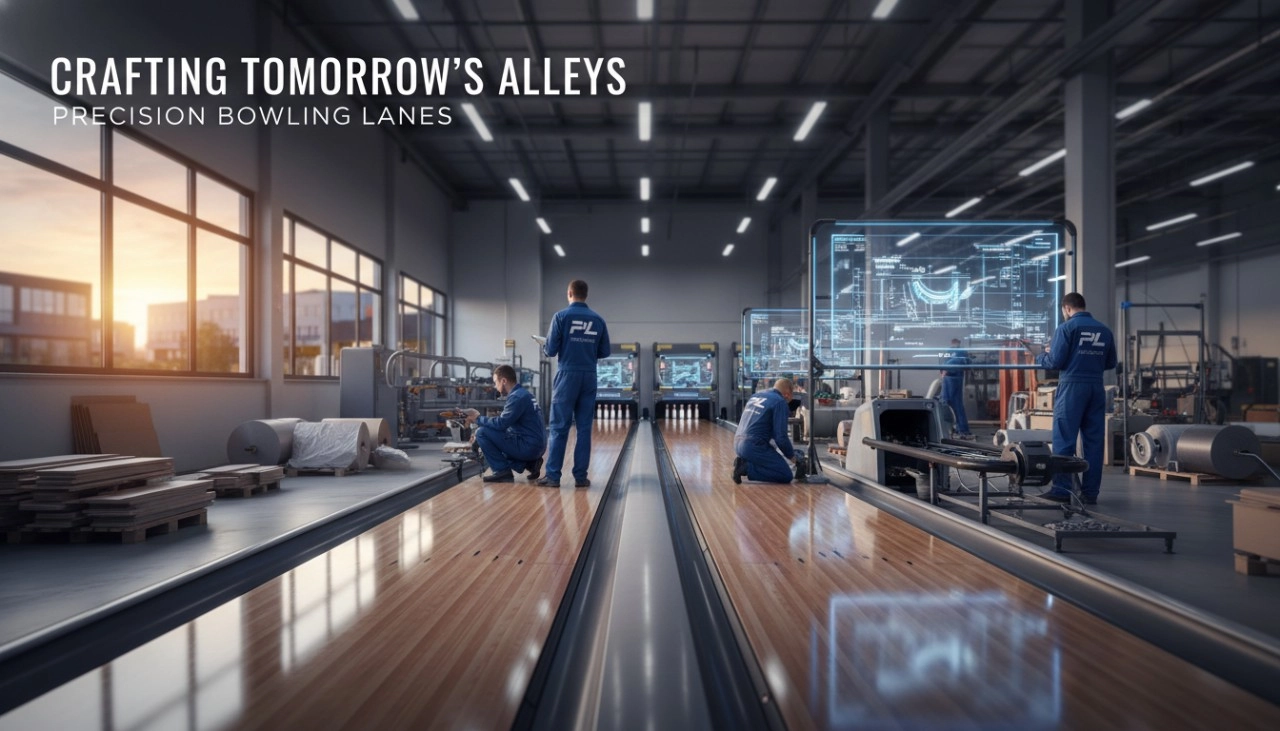
The installation team we dispatched is composed of professional technicians who have undergone rigorous assessment and training and have rich experience in bowling equipment installation. The team uses digital debugging tools throughout the process to ensure that each component of the equipment can be accurately installed and debugged to achieve optimal operating conditions.
Products
Are environmentally friendly materials used?
All wood products are USBC certified, the paint complies with EU REACH standards, and environmental testing reports are provided
Customer care
My room is only about 50 or 60 feet long. How short is too short" for bowling lanes?
That depends on what each person likes. It's like asking how low we can put a basketball goal so that it's still fun. If your bowlers are mostly kids or people who haven't bowled much, they might not mind extremely short lanes. But serious league and tournament bowlers won't like a lane that isn't the normal size.
Company
Do you have internationally certified production qualifications?
Our factory has passed ISO 9001 quality management system certification, and our products meet ASTM international bowling equipment standards.
You May Also Like
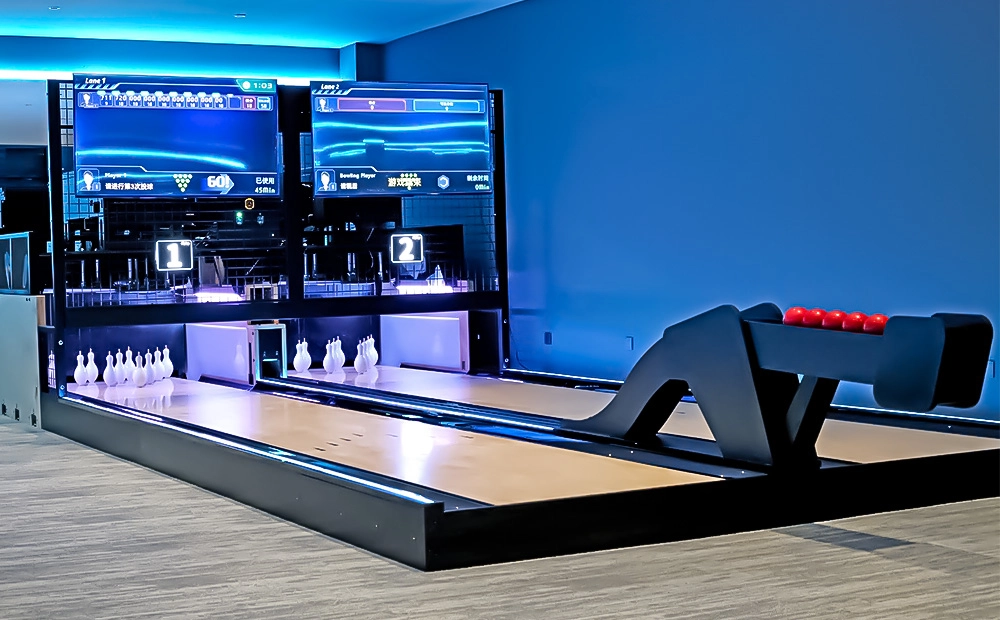
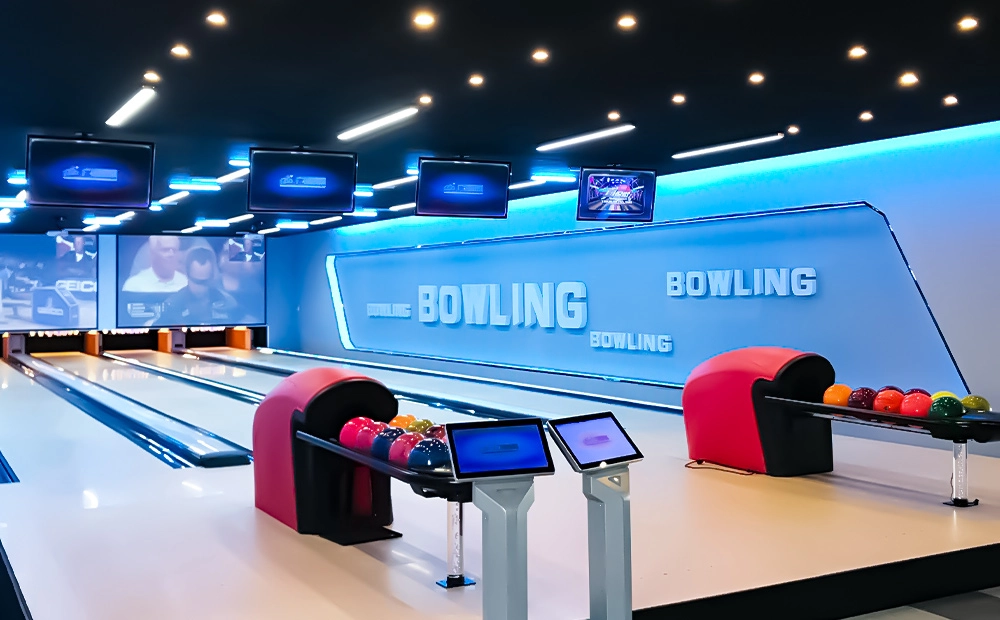
Flying Smart Duckpin Bowling
The innovative design of Flying Smart Duckpin Bowling (FSDB) makes it perfect for places like bars, billiard halls, and game centers. It makes people want to come back more often and spend more money. FSDB is fun and competitive, so it will become a new focus for social activities.
Flying Classic Standard Bowling
Flying Classic Standard Bowling (FCSB) employs the World Standard Competition Scoring System to deliver a more professional bowling experience, enabling bowlers to enjoy a professional-standard match at their convenience.
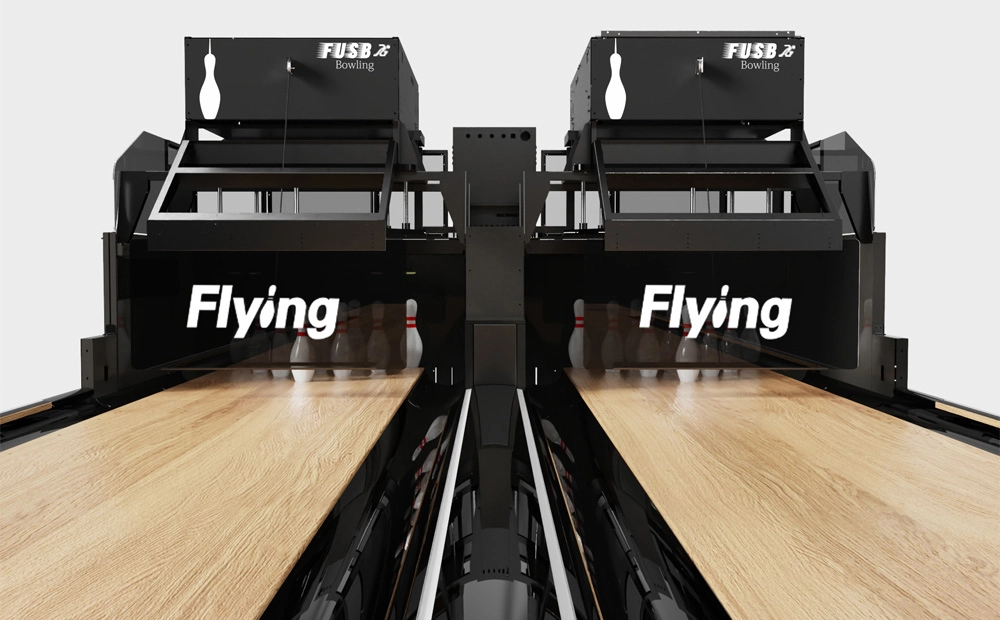
Flying Ultra Standard Bowling
Flying Ultra Standard Bowling (FUSB) Upgraded Version
The string pinsetter uses the latest technology. It offers a more enjoyable bowling experience thanks to its innovative designs and modern technology.

Get in touch
Contact us
If you contact us now for more details, we can provide you with a custom bowling alley service.
Our service team will get back to you within 24 hours, normally!



Professional Bowling Alley Equipment Manufacturer, a one-stop solution provider for bowling alleys.
Facebook
YouTube
Linkedin
Twitter