














The 6 Ultimate Guide to Bowling Alley Equipment for Commercial Success
Check out Fly Bowling's guide to bowling alley equipment, designed to boost your commercial success. Check out top-notch gear, pro tips, and industry insights to take your bowling business to the next level. Make your facility stand out by getting the best bowling alley equipment today!
- Introduction
- What Is Bowling Alley Equipment?
- Essential Components of a Commercial Bowling Alley
- 1. Bowling Lane System
- 2. Bowling Scoring System
- 3. Ball Return and Pinsetter Machines
- 4. Bowling Balls and Pins
- 5. Duckpin Bowling Systems (Optional)
- 6. Additional Setup: Lighting, Seating, and Sound
- How to Choose the Right Bowling Equipment Supplier
- Why Choose FlyBowling?
- Commercial vs. Home Bowling Equipment
- How Much Does Bowling Equipment Cost?
- Installation and Maintenance Considerations
- FlyBowling: Your Trusted Bowling Equipment Manufacturer
- What Sets Us Apart:
- Final Thoughts
- 👉 Ready to start building your bowling center?
- 🧠 About Bowling Alley Equipment FAQ
Introduction
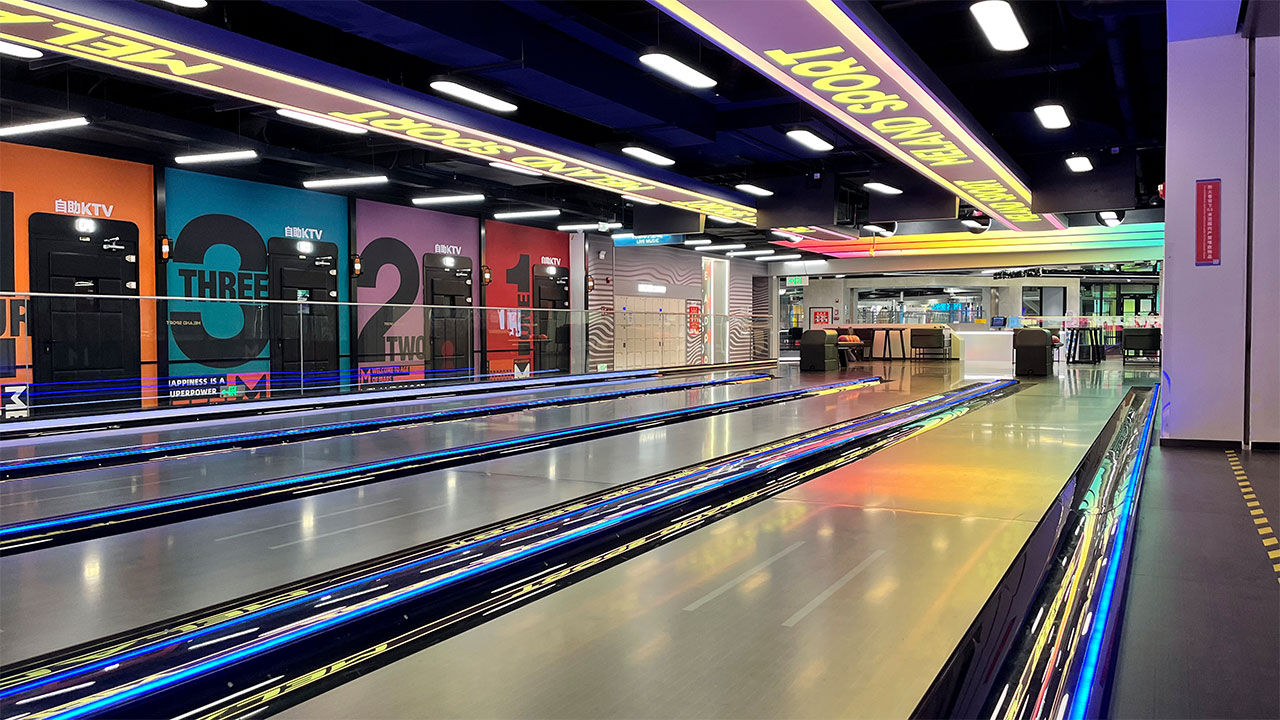
Bowling has always been a fun and easy activity for people of all ages. Bowling alleys are always popular with customers, so business owners can count on making money no matter where they are. But every successful bowling center has a set of specialized equipment that makes the experience better and more profitable.
This guide is for entrepreneurs, investors, and venue operators who are planning to build or upgrade a commercial bowling alley. You'll learn what types of equipment are essential, how to evaluate suppliers, how costs vary, and what to expect during setup and maintenance.
Here at FlyBowling, we've been helping businesses all over the world with everything they need for a bowling alley. We've got advanced scoring systems and kids' mini bowling setups. Let's dive into what you really need to know.
What Is Bowling Alley Equipment?
All the stuff that makes a bowling alley work, like the machines, the structure, and the electronics, is called bowling alley equipment. This includes everything from the lanes, pinsetters, and scoring systems to the balls, pins, lighting, and seating areas.
For businesses, the quality, durability, and automation level of this equipment directly affect how well it works and how happy customers are.
Essential Components of a Commercial Bowling Alley
Building a bowling alley means investing in several integrated systems. Here’s a breakdown of the most important components:
1. Bowling Lane System
The lane is the centerpiece of your alley. Commercial lanes are usually made from synthetic laminates because they're durable and easier to maintain. The regulation lanes are 60 feet (18.29 m) from the foul line to the head pin, and they're about 41.5 inches (105.4 cm) wide.
FlyBowling provides:
-
USBC-certified synthetic lanes
-
Modular lane installation for faster setup
-
Options for mini bowling lanes for limited spaces
2. Bowling Scoring System
Today's scoring systems are all automated and usually hooked up to customer displays, touch screens, and entertainment stuff like avatars, animations, or LED effects.
Features to look for:
-
Real-time scoring with error detection
-
Multi-language support
-
Online lane reservation and member tracking
FlyBowling offers customizable scoring software with cloud-based management.
3. Ball Return and Pinsetter Machines
These systems make sure everything runs smoothly and automatically. Commercial-grade pinsetters can handle thousands of games with minimal downtime.
FlyBowling equipment highlights:
-
Low-noise, energy-efficient pinsetters
-
Reliable ball return systems with built-in safety features
-
Easy-to-maintain modules for fast servicing
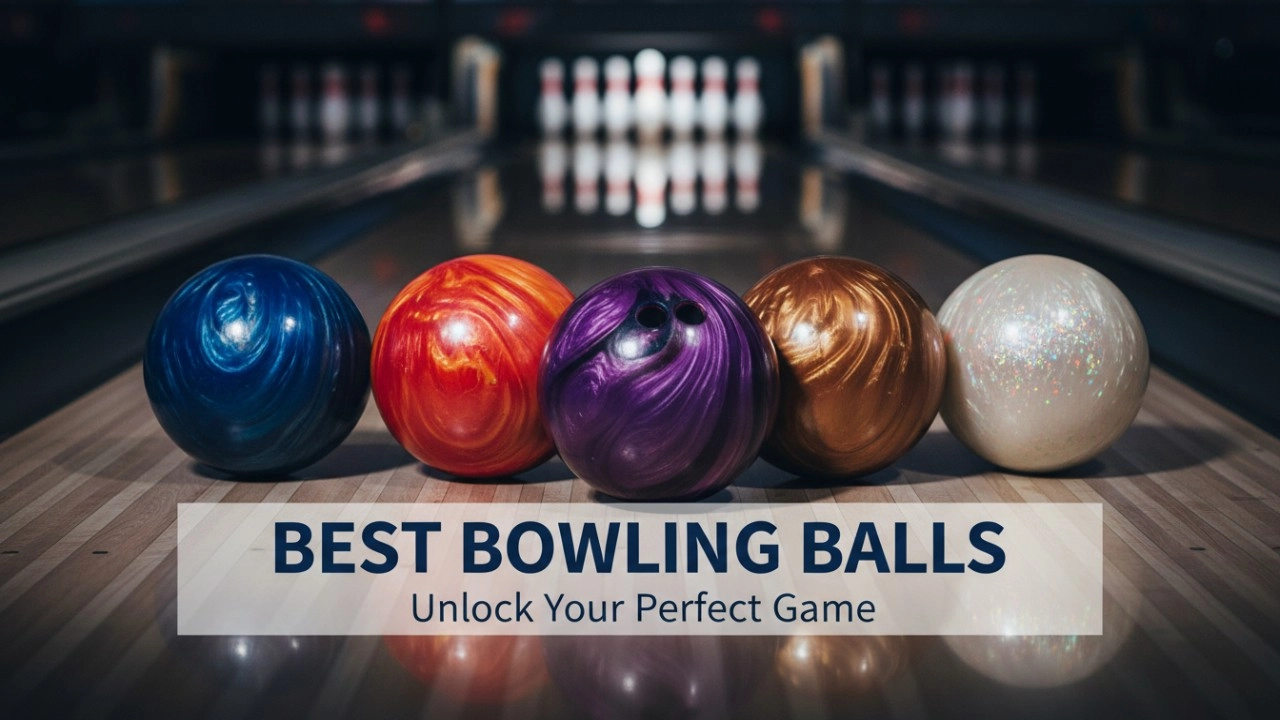
4. Bowling Balls and Pins
Choose high-durability materials for a longer life span. For commercial use, standard 10-pin sets are essential, while lighter-weight pins and balls may be offered in kids' areas.
Customization options: Logos, colors, and glow-in-the-dark finishes.
5. Duckpin Bowling Systems (Optional)
Duckpin bowling is becoming more and more popular in arcades, shopping centers, and family entertainment centers. These systems take up less space and offer a high return on investment.
FlyBowling’s mini bowling systems:
-
Easy installation
-
Eye-catching LED effects
-
Adjustable for children and casual users
6. Additional Setup: Lighting, Seating, and Sound
-
Ambient and LED lighting systems create atmosphere
-
Comfortable seating enhances dwell time
-
Sound systems and music integration boost engagement
How to Choose the Right Bowling Equipment Supplier
Choosing the right supplier is critical for your project’s success. Key factors include:
-
Product quality: Look for certifications and performance guarantees
-
Project experience: Does the supplier offer installation and after-sales support?
-
Customization: Can they adapt solutions for your floor plan or target market?
-
Export capability: Are logistics, customs, and technical support covered?
Why Choose FlyBowling?
-
10+ years in international manufacturing and export
-
Turnkey solutions: from design to installation
-
Advanced equipment engineered for commercial performance
-
Optional features for home and entertainment centers
-
Responsive technical support and spare parts availability
Commercial vs. Home Bowling Equipment
| Feature | Commercial Equipment | Home Equipment |
|---|---|---|
| Durability | High — designed for daily use | Lower — occasional use |
| Automation | Fully automated systems | Manual or semi-automatic |
| Installation | Requires trained technicians | Some DIY models available |
| Size | Regulation size | Shorter or modified lengths |
| Cost | $50,000 – $150,000+ | $20,000 – $80,000 |
Conclusion: If your goal is to run a profitable business, commercial-grade equipment is non-negotiable.
How Much Does Bowling Equipment Cost?
Here’s a general breakdown of costs (based on industry data and FlyBowling pricing averages):
| Equipment Category | Estimated Cost (USD) |
|---|---|
| Lane system (per lane) | $8,000 – $12,000 |
| Pinsetter machine | $6,000 – $10,000 |
| Ball return system | $3,000 – $5,000 |
| Scoring system | $2,500 – $5,000 |
| Bowling balls & pins | $500 – $1,000/set |
| bowling system | $25,000 – $40,000 |
📌 Tip: Full commercial setups (6–10 lanes) often range from $100,000 to $300,000, depending on layout, finishes, and additional features.
For detailed cost insights, read our article: How Much Does It Cost to Build a Bowling Alley?
Installation and Maintenance Considerations
-
Installation timeline: Typically 30–90 days for full setups
-
Technical team: FlyBowling provides on-site or remote support
-
Maintenance needs: Quarterly checks on pinsetters, cleaning lanes weekly, software updates for scoring systems
FlyBowling: Your Trusted Bowling Equipment Manufacturer
FlyBowling has been helping clients all over North America, Europe, the Middle East, and Southeast Asia build top-notch, profitable bowling centers for over a decade.
What Sets Us Apart:
-
End-to-end project support: design, manufacturing, logistics, installation
-
Certified equipment built to international standards
-
Competitive pricing with factory-direct models
-
Optional upgrades for smart scoring, mini bowling, and branding
Final Thoughts
If you're building your first bowling alley or upgrading an existing one, having the right equipment is key to long-term success. Everything matters, from the lanes to the lighting, so it's important to have a reliable partner.
FlyBowling is here to support your journey with excellent equipment, technical expertise, and customized solutions for every business model.
👉 Ready to start building your bowling center?
-
Contact us for a personalized quote
- Download our full product catalog
-
🧠 About Bowling Alley Equipment FAQ
1. What kind of equipment do you need to build a commercial bowling alley?
Essential equipment includes bowling lanes, pinsetter machines, ball return systems, scoring and management software, bowling balls and pins, and optional features like lighting, sound systems, and mini bowling setups.
2. How much does it cost to set up a bowling alley?
A full commercial bowling alley setup costs between $100,000 and $300,000, depending on the number of lanes, equipment quality, customization level, and installation services.
3. What's the difference between commercial and home bowling equipment?
Commercial equipment is built to be used a lot and includes automated systems, regulation-size lanes, and durable construction. Home setups are usually smaller, semi-manual, and designed for casual play.
4. Why should you choose FlyBowling as your bowling equipment supplier?
FlyBowling has over 10 years of international experience, full-service design and installation, CE-certified equipment, and customized solutions for both standard and mini bowling centers.
5. Hey, just wondering if FlyBowling offers global installation services?
Absolutely, FlyBowling has clients all over the world, and we've got systems ready to go straight to market. We can also set up and train you remotely or on-site, whatever works best for you.

Quality Bowling
Products
Can I choose the color and brand logo of the equipment?
Personalized customization is supported, including lane color, LOGO, theme lighting system, etc.
Is your equipment suitable for beginners?
Our equipment is easy to operate and equipped with auxiliary aiming lines, so even those who are new to bowling can quickly get started.
Technology
Is there any charge for remote technical guidance?
Free lifetime remote video diagnostic service to quickly resolve software/settings issues
Service
How to complain if you are not satisfied with the after-sales service?
You can directly contact the Global Service Director (email: mike@flyingbowling.com/phone: 0086 18011785867), and we promise to issue a solution within 24 hours.
How long do you provide warranty service?
The whole machine is under warranty for 2 years, and the core components (motor/mainboard) are extended to 3 years, and the maintenance is at cost price for life.
You May Also Like
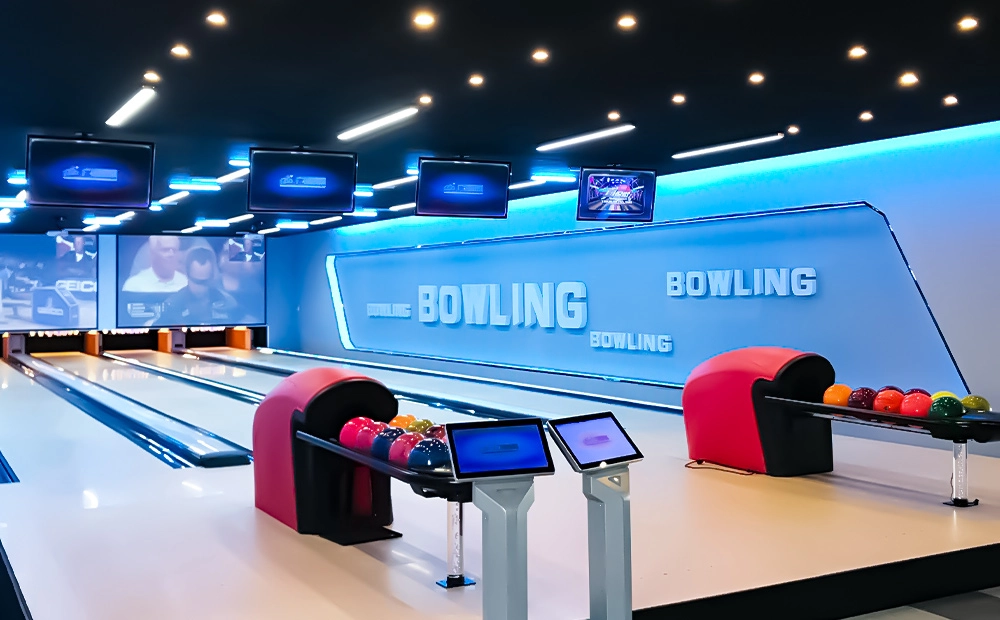
Flying Classic Standard Bowling
Flying Classic Standard Bowling (FCSB) employs the World Standard Competition Scoring System to deliver a more professional bowling experience, enabling bowlers to enjoy a professional-standard match at their convenience.
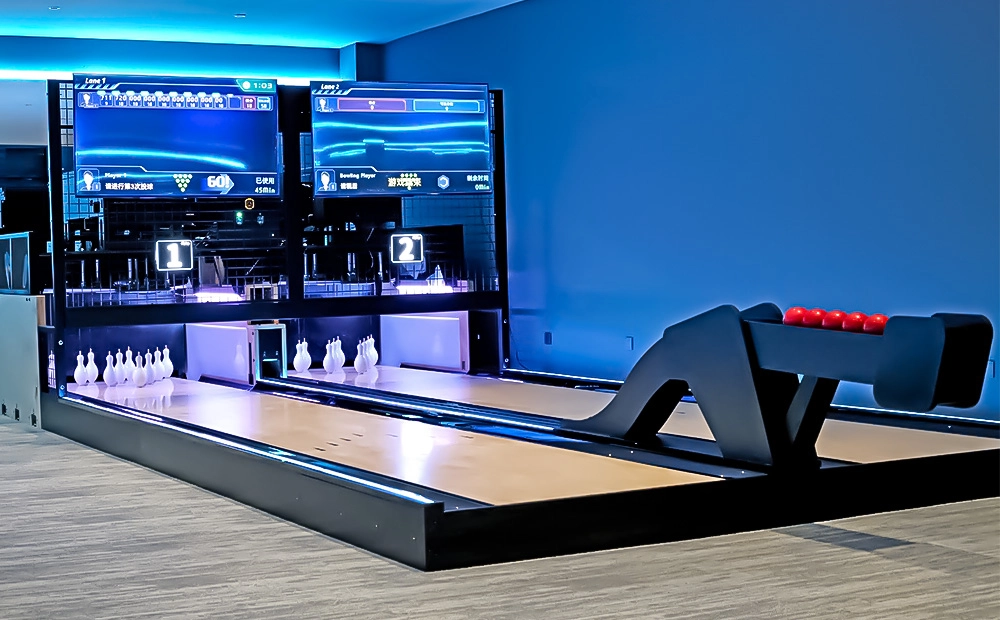
Flying Smart Duckpin Bowling
The innovative design of Flying Smart Duckpin Bowling (FSDB) makes it perfect for places like bars, billiard halls, and game centers. It makes people want to come back more often and spend more money. FSDB is fun and competitive, so it will become a new focus for social activities.
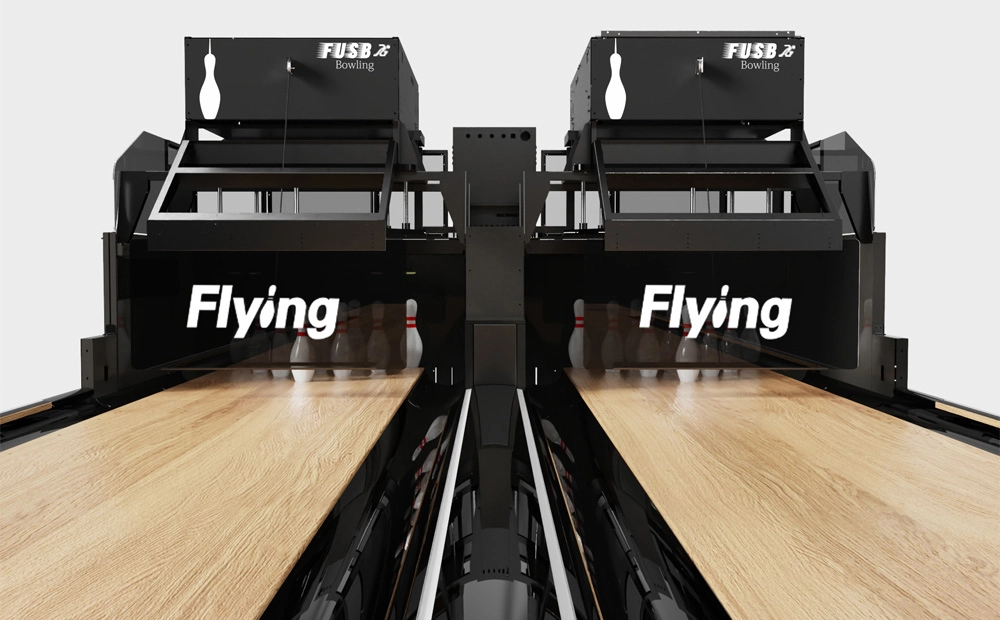
Flying Ultra Standard Bowling
Flying Ultra Standard Bowling (FUSB) Upgraded Version
The string pinsetter uses the latest technology. It offers a more enjoyable bowling experience thanks to its innovative designs and modern technology.

Get in touch
Contact us
If you contact us now for more details, we can provide you with a custom bowling alley service.
Our service team will get back to you within 24 hours, normally!



Professional Bowling Alley Equipment Manufacturer, a one-stop solution provider for bowling alleys.
Facebook
YouTube
Linkedin
Twitter