















How long and how much does bowling alley setup take?
- How long and how much does bowling alley setup take?
- 1) What are the main cost components of a bowling alley setup?
- 2) How long does equipment delivery and full build-out take?
- 3) Can you reduce costs with used equipment or boutique designs?
- 4) What ongoing operating costs and ROI should buyers expect?
- 5) What equipment specs and vendors should procurement teams evaluate?
- 6) What regulatory, zoning and site requirements will affect cost and timeline?
- 7) How should you manage procurement and installation to minimize risk and downtime?
- 8) Is financing or leasing of equipment common, and what are the options?
- Conclusion — Why choose Flying Bowling for your project?
- Sources (data and industry guidance)
How long and how much does bowling alley setup take?
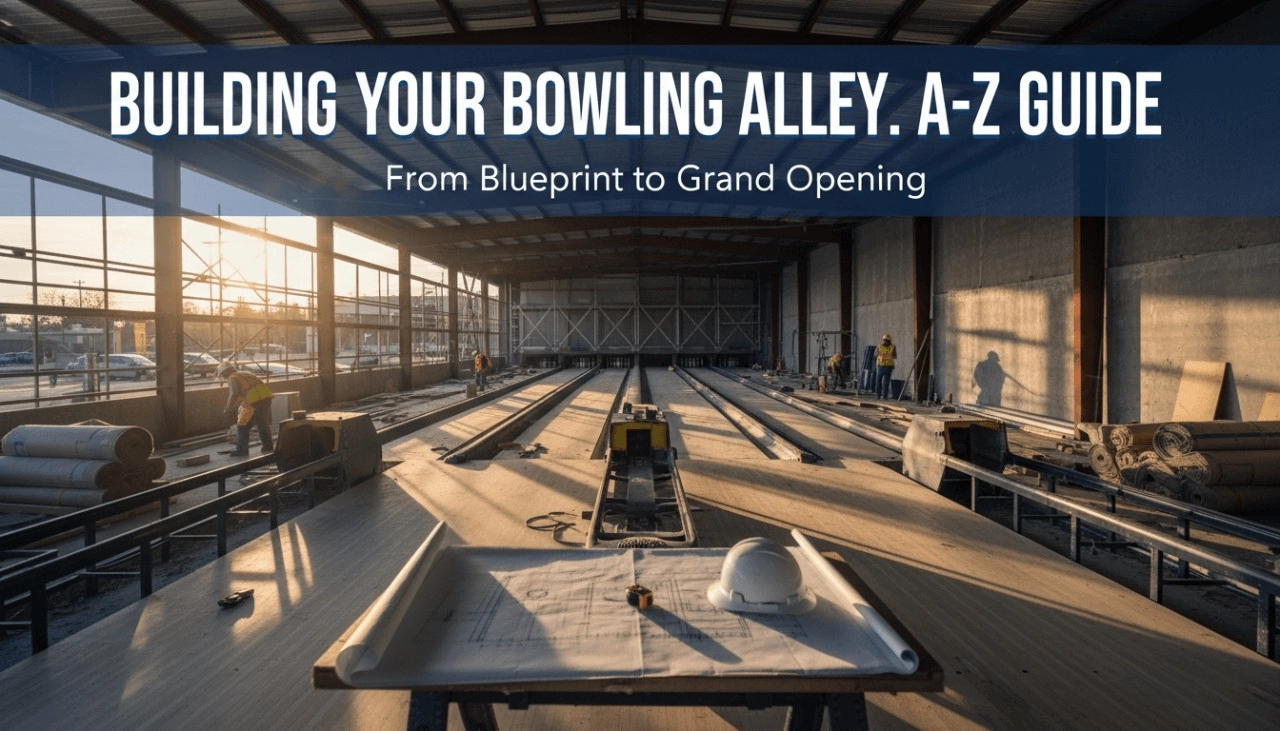
Setting up a bowling alley is a multi-stage project that typically takes 3–12 months and can cost anywhere from about $250,000 for a small boutique 6–8 lane facility up to $3M+ for a full 20–40 lane center. Final cost and schedule depend on scope (bowling-only vs full entertainment complex), new vs used equipment, location and local construction/permit realities.
1) What are the main cost components of a bowling alley setup?
Major cost categories and typical ranges (U.S., 2023–2024 industry norms):
- Lane equipment (per lane): $40,000–$75,000 — includes lane surface or lane system, pinspotter, ball returns, lane conditioning (oiler), and scoring hardware/software.
- Installation, leveling & alignment (per lane): $3,000–$12,000 — depends on floor prep and foundation work.
- Building shell and tenant improvements: $50,000–$1,000,000+ — depends if you’re retrofitting an existing warehouse or building new; includes HVAC, electrical, plumbing, restrooms, flooring, acoustic treatment and kitchen/bar fit-out.
- Kitchen/bar and F&B build-out (if applicable): $50,000–$400,000+.
- Furniture, fixtures & equipment (FF&E): $20,000–$150,000 — seating, POS, lounge, pro shop, décor and signage.
- Permits, consulting, professional fees: $5,000–$75,000 — architectural, engineering, permitting, legal.
- Contingency & working capital: 10%–25% of project value.
Putting those ranges together yields typical project totals:
- Small boutique 6–8 lanes (basic F&B, used/new mix): ~$250,000–$1,000,000.
- Mid-size 12–24 lanes, full entertainment & kitchen: ~$1,000,000–$3,500,000.
- Large 24–40+ lanes, new build with extensive F&B/arcade: $3,000,000–$10,000,000+.
Notes: per-lane equipment costs vary by brand (e.g., QubicaAMF, Brunswick) and by whether you purchase new or used pinsetters and lane systems.
2) How long does equipment delivery and full build-out take?
Typical timeline (project phases):
- Site selection & design: 2–8 weeks (can be longer for complex sites).
- Permits & approvals: 1–3+ months — variable by jurisdiction; liquor or health permits add time.
- Core construction / tenant improvements: 8–20 weeks for modest retrofits; 4–9+ months for larger or new builds.
- Equipment procurement & manufacturing lead time: 4–12 weeks for standard orders; custom items and peak-season orders can be longer.
- Equipment installation and commissioning: 2–8 weeks depending on lanes (install crews typically set multiple lanes concurrently); full center testing adds additional days to weeks.
End-to-end a retrofit with available equipment may be completed in 3–6 months. A new-build, customized entertainment center is commonly 6–12 months or longer. Start the permitting process early — it’s often the longest single cause of delay.
3) Can you reduce costs with used equipment or boutique designs?
Yes — used equipment and boutique concepts are common ways to reduce capital outlay, but each has trade-offs:
- Used equipment savings: 30%–60% vs new for pinsetters, lane systems and ball returns. Savings vary with age, availability and refurbishment costs.
- Risks: higher maintenance, shorter remaining service life, possible parts scarcity, lower warranty protection.
- Boutique/“luxury-lanes” concept: fewer lanes with High Quality F&B and private lanes can lower initial lane count and overall footprint, shifting revenue model from high-volume bowling to higher spend per customer.
- Hybrid options: buy new critical systems (pinspotters, oilers) and source cosmetic/FF&E used or refurbished to cut costs while preserving reliability.
Best practice: have a qualified mechanic/engineer inspect used pinsetters and lane machinery before purchase and build refurbishment costs into your budget.
4) What ongoing operating costs and ROI should buyers expect?
Key operating cost categories:
- Labor — front-of-house, kitchen, maintenance and management.
- Utilities — lighting, HVAC (major for large houses), electricity for pinsetters and lane oilers.
- Maintenance & spare parts — pinspotter parts, lane surface repairs, oiling machine supplies.
- Rent / mortgage, insurance, marketing, supplies.
Industry financial norms (varies by market and format):
- Gross margins on bowling can be high, but overall net profit margins for bowling centers typically range from low single digits up to mid-teens (%) depending on management quality and revenue mix (bowling, F&B, events, leagues, corporate/private parties).
- Payback period: 3–10 years is common; boutique centers with strong F&B and events often reach break-even sooner, while traditional large centers can take longer.
To model ROI, build conservative traffic scenarios (weekday vs weekend, league vs open play), include lifecycle CAPEX for mechanical refreshes (pinspotters/lane oilers ~every 7–15 years depending on usage) and set aside a maintenance reserve.
5) What equipment specs and vendors should procurement teams evaluate?
Procurement focus areas and vendor considerations:
- Pinspotters: choose reliable manufacturers with service networks. QubicaAMF and Brunswick are industry leaders; evaluate mean time between failures, parts availability and local service technicians.
- Lane surface: synthetic lanes vs maple. Synthetic offers lower maintenance and more consistent oil patterns; maple (wood) may appeal for pro/play authenticity but requires more upkeep.
- Automatic scoring & entertainment: modern scoring systems offer league management, party bookings, house effects and integration with POS; ensure software updates, licensing and user training are included.
- Oilers & lane conditioners: oil pattern accuracy and programmable oiling matter for competitive play and league satisfaction.
- Ball returns and electronics: check noise levels, reliability and ergonomics.
Procurement tips: request full bill-of-materials and warranty terms, ask for a linked service contract or local certified technician list, and verify vendor references for previous installs in similar size/market.
6) What regulatory, zoning and site requirements will affect cost and timeline?
Common regulatory items that impact schedule and cost:
- Zoning & use permits — confirm the site allows amusement/recreation use and any restrictions (hours, noise levels).
- Building and occupancy permits — structural, mechanical, electrical and plumbing approvals.
- Accessibility (ADA) — accessible lanes, seating, restrooms and routes will be required and should be included in design.
- Fire & life-safety — sprinkler systems, egress, alarms and maximum occupancy requirements.
- Liquor & health permits — if serving alcohol or full food service, expect additional permit lead times and costs.
- Environmental / sound permitting — noise mitigation may be required in populated areas.
Plan for permit contingencies (financial and calendar) and engage a local architect/contractor who understands municipal processes for entertainment venues.
7) How should you manage procurement and installation to minimize risk and downtime?
Project best-practices for buyers and procurement teams:
- Develop a master schedule tying design, permits, long-lead equipment orders and installation milestones together.
- Order long-lead items (pinsetters, customized scoring/software) early to avoid manufacturing delays.
- Use vendor-certified installers or a single turn-key integrator to reduce coordination errors between civil/structural work and lane installation.
- Plan phased openings where feasible (e.g., open part of the center or F&B first) to start revenue as installation finishes.
- Retain a contingency fund and plan for a dedicated maintenance/reserve budget for the first 24 months of operation.
8) Is financing or leasing of equipment common, and what are the options?
Yes — financing and leasing are widely used to spread capital cost:
- Equipment leases or loans from manufacturer-affiliated finance arms can preserve working capital.
- Bank financing and SBA loans are possible for qualified borrowers; lenders will review pro forma cashflow and management experience.
- Vendor trade-in or refurb programs can reduce upfront cost when upgrading or replacing equipment.
Work with a lender familiar with entertainment or hospitality projects; their underwriting expectations and timelines differ from standard small business loans.
Conclusion — Why choose Flying Bowling for your project?
Flying Bowling combines turnkey project management, authorized equipment supply, and on-site certified technicians to simplify procurement and installation. Their offering covers new and refurbished equipment, design consultation to optimize lane layouts and F&B flow, and service contracts to protect uptime — helping buyers reduce risk, manage timelines and control life-cycle costs.
Sources (data and industry guidance)
- QubicaAMF — Bowling center planning & equipment information. (QubicaAMF official product & solutions pages). Accessed June 2024: https://www.qubicaamf.com/
- Brunswick Bowling — Product lines, lane systems and center design resources. Accessed June 2024: https://www.brunswickbowling.com/
- Bowling Proprietors' Association of America (BPAA) — Industry resources, operational guides and best practices. Accessed June 2024: https://www.bpaa.com/
- IBISWorld — Bowling Centers in the US: market research and industry financial benchmarks (industry report). Accessed June 2024: https://www.ibisworld.com/
- Bowling Industry (trade publication) — articles on center build-outs, refurbishing and market trends. Accessed June 2024: https://www.bowlingindustry.com/

Quality Bowling
Technology
What is the degree of automation of the equipment? Does it support automatic scoring, automatic ball return and other functions?
Fully automated. Our equipment is equipped with an independent intelligent scoring system, and also has automatic ball return and ball up functions to ensure that the game can proceed smoothly, which greatly improves the user experience and reduces labor costs and maintenance difficulties.
Service
Is there any training or guidance service to help customers use the equipment better?
Free on-site or remote training, with a Chinese-English bilingual operation manual + fault code quick reference table to help customers use the equipment better.
Customer care
Do I get a discount if my bowling lanes are shorter than standard length?
Shorter lanes require additional labor to cut and splice materials, which offsets any potential material savings. As a result, pricing remains the same regardless of lane length.
My room is only about 50 or 60 feet long. How short is too short" for bowling lanes?
That depends on what each person likes. It's like asking how low we can put a basketball goal so that it's still fun. If your bowlers are mostly kids or people who haven't bowled much, they might not mind extremely short lanes. But serious league and tournament bowlers won't like a lane that isn't the normal size.
Products
Is your equipment suitable for beginners?
Our equipment is easy to operate and equipped with auxiliary aiming lines, so even those who are new to bowling can quickly get started.
You May Also Like
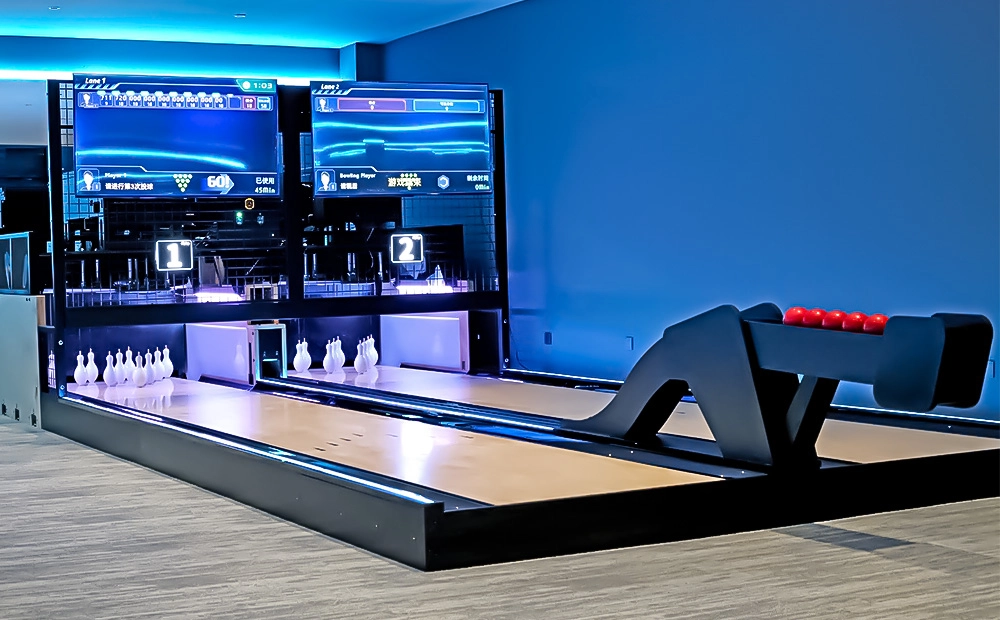
Flying Smart Duckpin Bowling
The innovative design of Flying Smart Duckpin Bowling (FSDB) makes it perfect for places like bars, billiard halls, and game centers. It makes people want to come back more often and spend more money. FSDB is fun and competitive, so it will become a new focus for social activities.
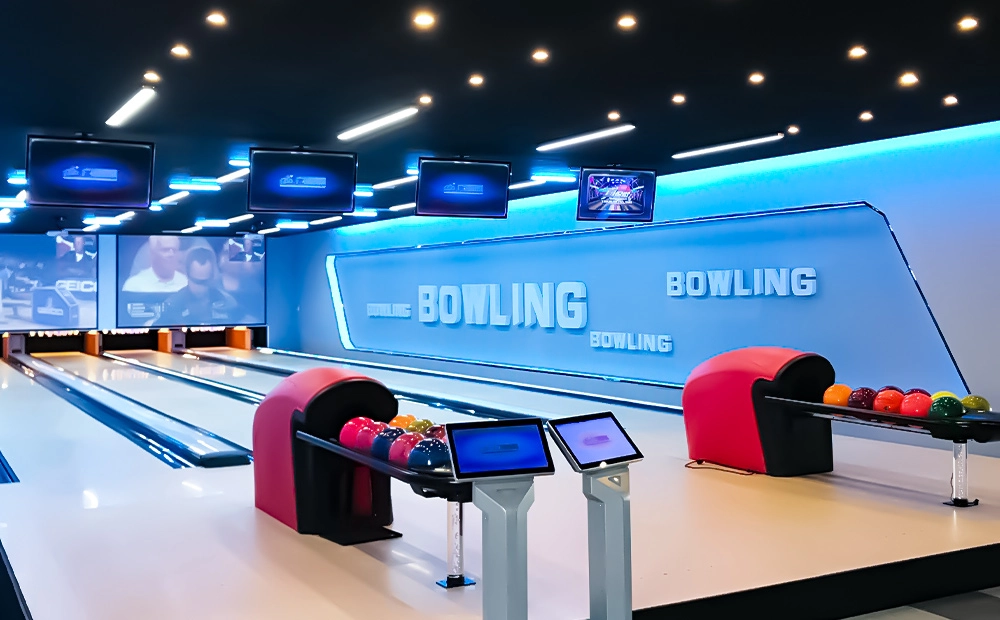
Flying Classic Standard Bowling
Flying Classic Standard Bowling (FCSB) employs the World Standard Competition Scoring System to deliver a more professional bowling experience, enabling bowlers to enjoy a professional-standard match at their convenience.
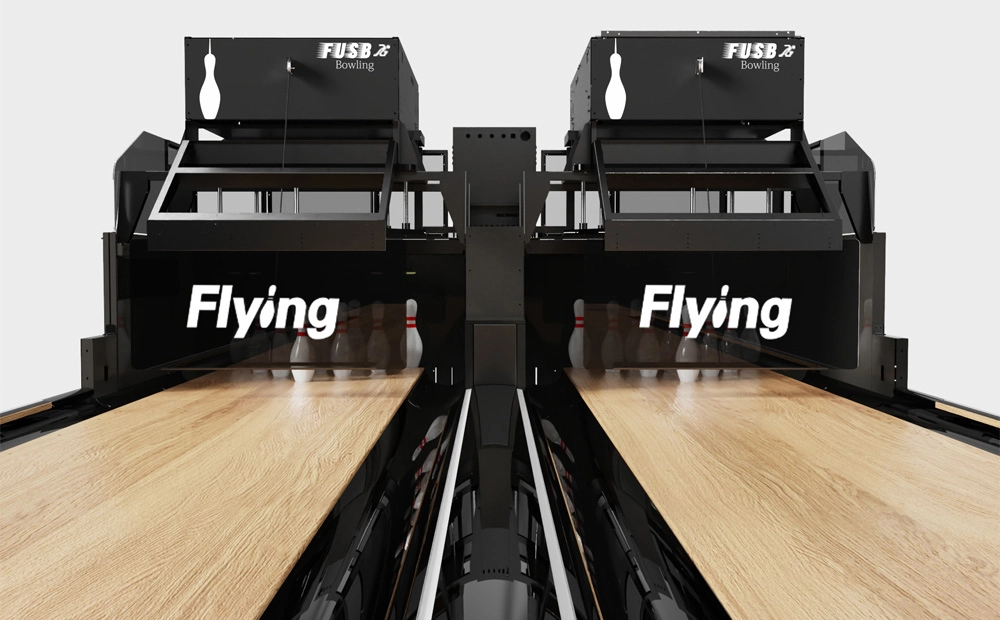
Flying Ultra Standard Bowling
Flying Ultra Standard Bowling (FUSB) Upgraded Version
The string pinsetter uses the latest technology. It offers a more enjoyable bowling experience thanks to its innovative designs and modern technology.

Get in touch
Contact us
If you contact us now for more details, we can provide you with a custom bowling alley service.
Our service team will get back to you within 24 hours, normally!



Professional Bowling Alley Equipment Manufacturer, a one-stop solution provider for bowling alleys.
Facebook
YouTube
Linkedin
Twitter