















String Pinsetter Cost 2026: The Ultimate Guide to Pricing, Savings & ROI
A comprehensive 2026 guide to string pinsetter costs, covering pricing ranges ($8k-$20k), total cost of ownership, operational savings, and ROI analysis.
- Key Takeaways: String Pinsetter Costs at a Glance
- What is a String Pinsetter and Why Consider One?
- How Much Does a New String Pinsetter Cost Per Lane? (2026 Price Guide)
- Factors Influencing String Pinsetter Pricing
- Manufacturer & Brand Reputation
- Technology & Features
- New vs. Used Equipment
- Shipping & Installation Costs
- String Pinsetter vs. Free-Fall Pinsetter: A Comprehensive Cost-Benefit Analysis
- The Total Cost of Ownership (TCO) for a Full Bowling Lane System
- Beyond the Pinsetter
- Commercial Bowling Center
- Home Bowling Alley Cost
- The 'Used Equipment Trap'
- Maximizing ROI and Finding the Best Value for Your Investment
- Conclusion
- FAQ
- References
For entertainment center operators and home enthusiasts alike, navigating bowling pinsetter prices is a critical first step in planning a new facility or upgrading an existing one. As we move into 2026, the industry is witnessing a decisive shift toward string technology, driven by efficiency and cost-effectiveness. Whether you are calculating the commercial bowling lane cost for a new family entertainment center (FEC) or researching home bowling alley cost estimates for a luxury basement setup, understanding the financial landscape of string pinsetters is essential.
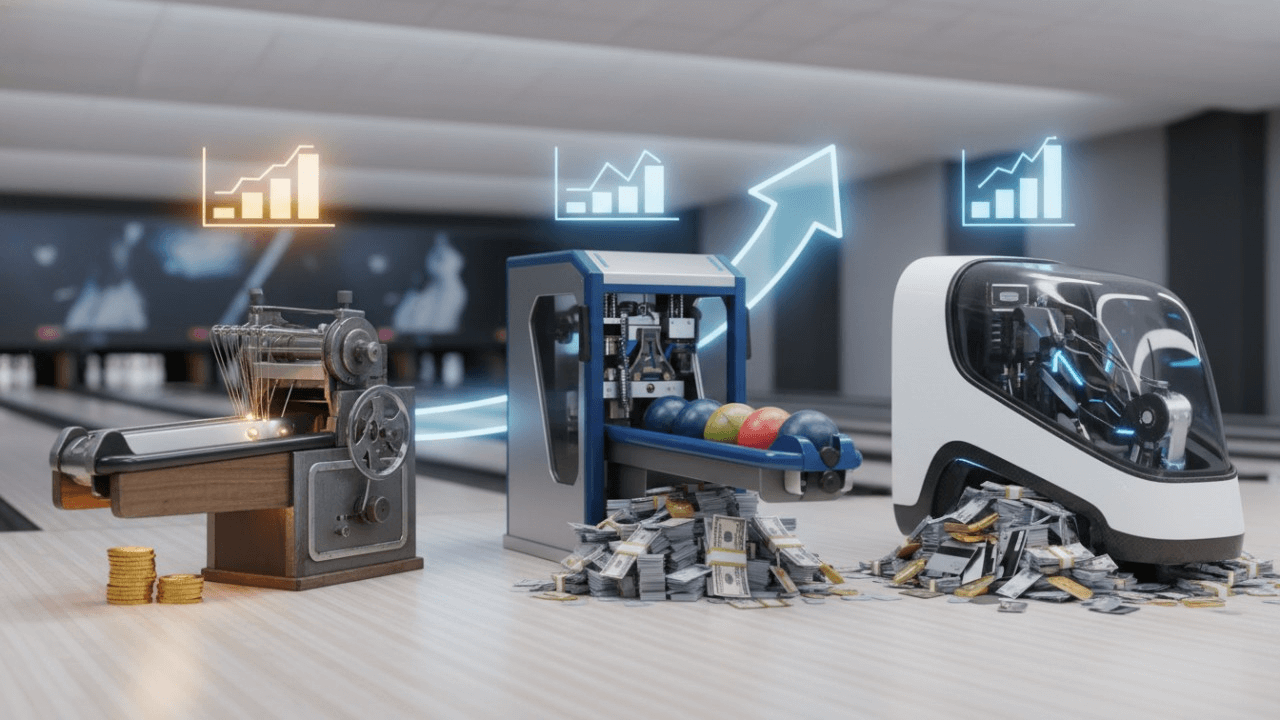
This guide leverages real-time 2025-2026 market data to provide an authoritative breakdown of initial capital investments, bowling machine maintenance cost projections, and the long-term Return on Investment (ROI) offered by modern string systems.
Key Takeaways: String Pinsetter Costs at a Glance
Before diving into the detailed cost breakdowns, here is an executive summary of the current market landscape for string pinsetters:
● Initial Price Range: New string pinsetters typically range from $8,000 to $20,000 per lane, excluding installation and shipping fees.
● Operational Efficiency: These systems offer significant long-term savings—often 70-90%—on energy, maintenance, and labor compared to traditional free-fall systems.
● Total Cost of Ownership (TCO): TCO is the most critical metric; the initial purchase price is just one component. Operational savings often offset the purchase price within the first few years.
● Variable Factors: Final investment levels are heavily influenced by factors such as new vs. used string pinsetter price dynamics, manufacturer reputation (e.g., Brunswick string pinsetter models), and additional setup requirements like scoring systems and synthetic lanes.
● Regulatory Approval: Many modern string pinsetters are now fully USBC (United States Bowling Congress) approved, ensuring they are suitable for sanctioned league play and competitive use.
What is a String Pinsetter and Why Consider One?
A string pinsetter is an electromechanical device that uses durable, lightweight nylon cords to control the setting and resetting of bowling pins, replacing the complex hydraulics and elevators of traditional machines. This technology has revolutionized bowling alley equipment cost structures by simplifying the mechanism required to cycle pins.
According to Flying Bowling, a string pinsetter eliminates the need for the heavy mechanical sweeps and pin elevators found in traditional free-fall pinsetters. This architectural shift results in several distinct advantages:
● Simplified Mechanics: With significantly fewer moving parts, string pinsetters experience less wear and tear. This reduction in mechanical complexity directly translates to increased reliability and uptime.
● Lower Energy Consumption: Efficiency is a major selling point. As noted by Eternity Bowling, string pinsetters are a "game-changer" in technology, often consuming 70-90% less energy than their free-fall counterparts. The motors run only when pins need to be reset, rather than idling continuously.
● Reduced Maintenance & Labor: The simplified design means centers no longer need a specialized mechanic on staff at all times. Breakdowns are less frequent, and repairs are generally simple enough for general staff to handle.
● Faster Cycling Times: Efficient pin resetting minimizes downtime between frames. This speed enhances the bowler experience, allowing for more games per hour—a crucial metric for commercial revenue.
● Compact Design: String machines often require less back-end space, making them ideal for venues with limited square footage, such as bars, hotels, and residential installations.
How Much Does a New String Pinsetter Cost Per Lane? (2026 Price Guide)
In 2026, the purchase price for a new string pinsetter generally falls between $8,000 and $20,000 per lane, depending heavily on the brand, technology tier, and volume of the order. This pricing tier makes them a more accessible entry point compared to legacy equipment.
Data from Flying Bowling's 2025 Price Guide indicates that while the base hardware is affordable, buyers must budget for the entire ecosystem. Here is the breakdown by tier:
● Entry-Level String Pinsetters ($8,000 - $12,000): These units are often sourced from newer manufacturers or international suppliers. They provide standard functionality suitable for entertainment-focused venues where sanctioned league play features might not be a priority.
● Standard Commercial String Pinsetters ($13,000 - $20,000): This is the most common price range for robust, commercial-grade machines. These units feature heavy-duty construction designed to withstand the high cycle rates of busy FECs.
● Premium/Advanced String Pinsetters ($20,000+): High-end models, such as the latest Brunswick string pinsetter (Boost ST) or similar top-tier equivalents, come with advanced software integration, cloud connectivity for remote diagnostics, and premium warranty packages. These can sit at the upper end of the price spectrum.
● Bulk Purchase Discounts: Economies of scale apply. For large centers installing 30 or more lanes, prices can decrease significantly. For example, some suppliers offer rates around $14,500 per unit for bulk orders.
● Cost Exclusions: It is vital to note that these figures typically cover the machine only. Shipping, professional installation, scoring systems, ball returns, and the actual synthetic lanes are separate line items.
Factors Influencing String Pinsetter Pricing
Several variables can swing the final price of bowling alley equipment cost by thousands of dollars per lane. Understanding these factors will help in negotiating quotes and planning budgets.
Manufacturer & Brand Reputation
Established brands command higher prices due to their proven track record, R&D investment, and extensive support networks. A generic model might save money upfront, but a brand like Brunswick or QubicaAMF offers peace of mind regarding parts availability and software updates.
Technology & Features
Modern string pinsetters are not just mechanical; they are smart devices. Features that drive up cost include:
● Anti-String Winding Systems: Advanced algorithms that detangle strings automatically.
● Remote Diagnostics: IoT capabilities that allow technicians to troubleshoot machines remotely.
● Energy-Saving Modes: Smart power management systems.
New vs. Used Equipment
The market for used string pinsetter price options is growing but requires caution. While very old or "as-is" units might appear on marketplaces for as low as $200-$400, these are often effectively scrap metal. Refurbished units generally start around $1,300+, but buyers must be wary of the "Used Equipment Trap." Without a warranty, the cost of bringing a used machine up to reliable standards can quickly exceed the cost of a new entry-level unit.
Shipping & Installation Costs
According to Flying Bowling, installation and shipping are not trivial expenses. Depending on the location (especially for international shipments) and the complexity of the venue (e.g., installing lanes on a second floor), these logistics can add thousands of dollars per lane to the final bill.
String Pinsetter vs. Free-Fall Pinsetter: A Comprehensive Cost-Benefit Analysis
When conducting a String Pinsetter vs Free-Fall comparison, the financial advantage leans heavily toward string technology in the modern era. While free-fall machines offer the traditional experience, their operational costs are becoming prohibitive for many new business models.
Operational Savings: Citing data from Sparez Bowling and Funk Bowling, string systems deliver substantial operational savings. Centers report 64-90% less power consumption and up to 90% less spending on parts and service. The absence of complex elevators and sweeps means there are simply fewer things to break.
Downtime & Revenue: Reliability equals revenue. bowling machine maintenance cost isn't just about parts; it's about lost income when a lane is down. String pinsetters have faster cycle times and fewer breakdowns, ensuring high lane uptime during peak hours.
Pin Action & Authenticity: Historically, purists debated the effect of strings on pin action. However, recent certification by the USBC confirms that approved string pinsetters meet the necessary standards for pinfall and scoring, validating them for competitive play.
The Total Cost of Ownership (TCO) for a Full Bowling Lane System
To accurately budget for 2026, one must look beyond the pinsetter. The TCO involves the commercial bowling lane cost or home bowling alley cost in its entirety.
Beyond the Pinsetter
A pinsetter is useless without the rest of the lane. According to Flying Bowling's 2026 Estimates, a complete low-cost bowling lane build—including the string pinsetter, synthetic lanes, ball return, and basic scoring—ranges from $40,000 to $60,000 per lane. High-end commercial builds can easily exceed this.
Commercial Bowling Center
For a commercial facility, the build-out includes flooring, electrical work, HVAC, and thematic design. A multi-lane center requires a capital injection ranging from hundreds of thousands to over a million dollars. However, the lower TCO of string machines accelerates the break-even point compared to free-fall centers.
Home Bowling Alley Cost
For residential clients, a home bowling alley cost is a premium investment. A personal two-lane setup equipped with string pinsetters typically ranges from $120,000 to $195,000. A single lane might cost between $75,000 and $80,000. These figures include the equipment and installation but generally exclude structural modifications to the home required to house the lanes.
The 'Used Equipment Trap'
While seeking a lower used string pinsetter price is tempting, refurbishment costs for older free-fall systems to make them comparable in reliability can be staggering. Often, the labor cost to strip, clean, and rebuild an old machine negates the initial savings, making a new string machine a smarter 10-year investment.
Maximizing ROI and Finding the Best Value for Your Investment
Achieving the best Return on Investment requires a strategic approach to purchasing.
● Focus on TCO: Prioritize long-term operational savings over the lowest upfront price. A machine that saves $2,000 a year in electricity and $5,000 in maintenance pays for itself quickly.
● Evaluate Manufacturer Reputation: Choose suppliers known for quality. Whether opting for a Brunswick string pinsetter or a competitor, ensure they provide robust customer service and readily available spare parts.
● Consider Certified Models: Opt for USBC-certified string pinsetters. This future-proofs your facility, allowing you to host leagues and tournaments if your business model evolves.
● Assess Energy Efficiency: Look for models with "sleep modes" and efficient DC motors to minimize utility bills.
● Plan for Logistics: Obtain clear, all-inclusive quotes that cover shipping, customs (if applicable), and installation to avoid hidden costs.
Conclusion
As we navigate the landscape of 2026, string pinsetter costs represent a compelling value proposition for the bowling industry. With entry prices ranging from $8,000 to $12,000 for basic models and up to $20,000 for premium systems, they offer a lower barrier to entry than traditional equipment. However, the true value lies in the operational phase, where massive reductions in bowling machine maintenance cost and energy consumption drive superior profitability.
From high-traffic commercial centers to luxury home installations, the shift toward string technology is backed by data, USBC certification, and proven reliability. By understanding the nuances of commercial bowling lane cost and prioritizing total cost of ownership, investors can secure a robust, profitable future for their bowling entertainment venues.
FAQ
1. What is the average lifespan of a string pinsetter?
Modern string pinsetters are built for durability and longevity, often lasting 15-20 years or more with proper maintenance. Their simpler design with fewer moving parts contributes to significantly less wear and tear compared to traditional systems.
2. Are string pinsetters approved for competitive bowling (USBC)?
Yes, many contemporary string pinsetter models, such as Brunswick's Boost ST and offerings from Funk Bowling, are USBC (United States Bowling Congress) certified. USBC research has indicated no significant difference in pin action or scoring when using approved string pinsetters.
3. How does the maintenance cost of a string pinsetter compare to a free-fall system?
String pinsetters offer significantly lower maintenance costs, often 90% less in parts and service compared to free-fall systems. They require fewer specialized technicians and less frequent interventions due to their mechanical simplicity.
4. Can I install a string pinsetter for a home bowling alley, and what is the total cost?
Yes, string pinsetters are an excellent choice for home bowling alleys due to their compact size and low maintenance. The total cost for a personal two-lane setup typically ranges from $120,000 to $195,000, including equipment and installation, excluding major construction.
5. What are the main benefits of choosing a string pinsetter over a traditional free-fall system?
Key benefits include a lower initial purchase price, significantly reduced energy consumption (up to 70-90% less), drastically lower maintenance and labor costs, and faster cycle times. Their simpler operation also means less downtime for operators.
6. Where can I buy used string pinsetters?
Used string pinsetters can be found through amusement park equipment suppliers, specialized bowling equipment dealers, online marketplaces, and sometimes from closing bowling centers. However, be cautious of very low-priced equipment, as refurbishment costs can be high.
7. Do string pinsetters affect pin action or scoring accuracy?
While some traditionalists have expressed concerns, USBC research found no significant difference in scoring or pinfall compared to free-fall systems. Modern string pinsetters are designed to minimize any impact on pin dynamics.
8. What additional equipment costs should I consider beyond the pinsetter?
Beyond the pinsetter, you must factor in the cost of synthetic bowling lanes, ball return systems, scoring systems (monitors and software), bowling pins, balls, shoes, and any necessary facility build-out or renovations.
References
● Flying Bowling: How Much Does a String Pinsetter Cost? Price Guide 2025
● Sparez Bowling: String Pinsetters vs. Traditional Pinsetters
● Flying Bowling: Flying String Pinsetters: The Future of Bowling Equipment
● Flying Bowling: How Much Does a Bowling Lane Cost in 2026?
● Funk Bowling: String Pinsetters vs. Free-Fall: What You Need to Know

Quality Bowling
Service
What is the warranty on your bowling equipment?
We provide a standard 1-year warranty on all equipment, with extended warranties available upon request.
Company
Do you have independent R&D capabilities?
We have set up an independent R&D department and have launched a number of new equipment and innovative technologies such as the smart scoring system, Flying Smart Duckpin, and oil drop machine in the past three years.
Technology
Is there any charge for remote technical guidance?
Free lifetime remote video diagnostic service to quickly resolve software/settings issues
Products
What is the noise level of the equipment?
We are well aware of the importance of a quiet and comfortable environment for bowling, so we designed sound insulation cotton and shock-absorbing pads in the equipment area and the lane area to fully reduce the noise and vibration of the equipment during operation, creating a quiet and comfortable sports space for you, allowing you to focus more on enjoying the fun of bowling.
Does your bowling equipment meet international standards?
It meets international standards. The equipment strictly follows the US USBC (United States Bowling Congress) international standard certification, which is one of the highest standards recognized by the global bowling industry. USBC certification ensures that our equipment has reached the international top level in terms of safety, durability, performance and user experience.
You May Also Like
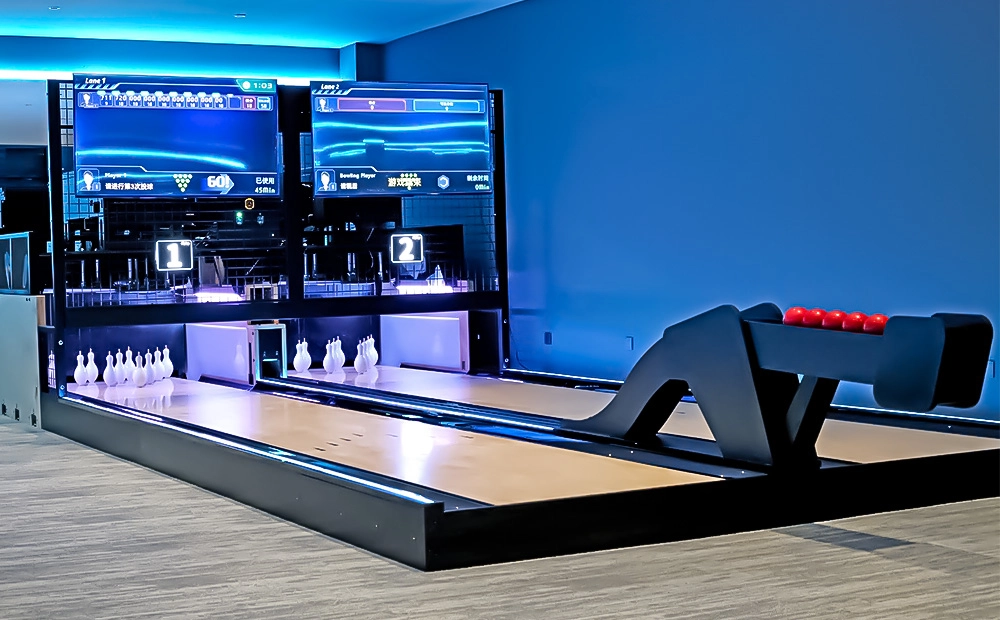
Flying Smart Duckpin Bowling
The innovative design of Flying Smart Duckpin Bowling (FSDB) makes it perfect for places like bars, billiard halls, and game centers. It makes people want to come back more often and spend more money. FSDB is fun and competitive, so it will become a new focus for social activities.
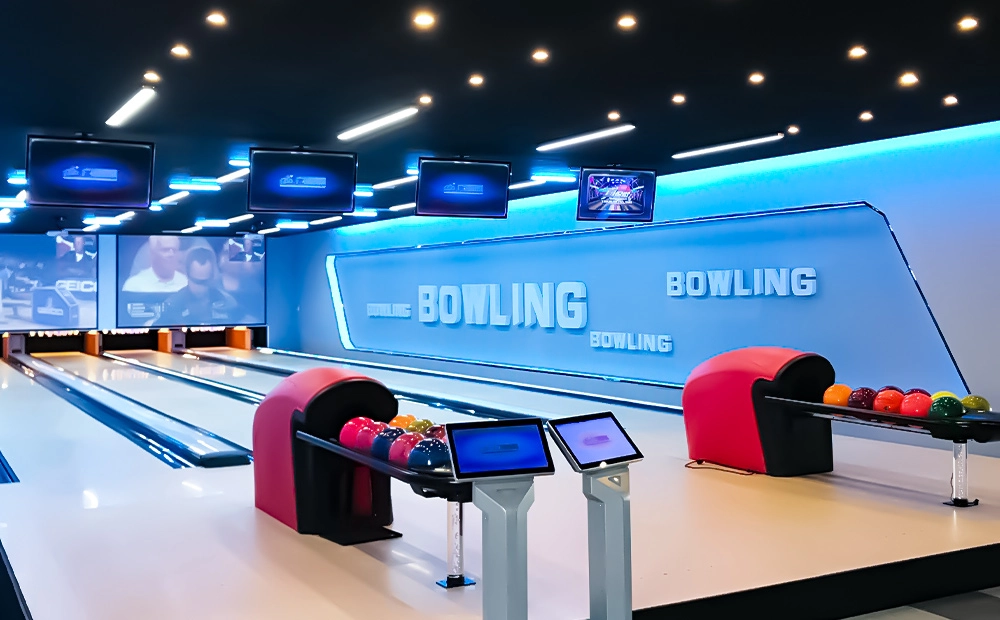
Flying Classic Standard Bowling
Flying Classic Standard Bowling (FCSB) employs the World Standard Competition Scoring System to deliver a more professional bowling experience, enabling bowlers to enjoy a professional-standard match at their convenience.
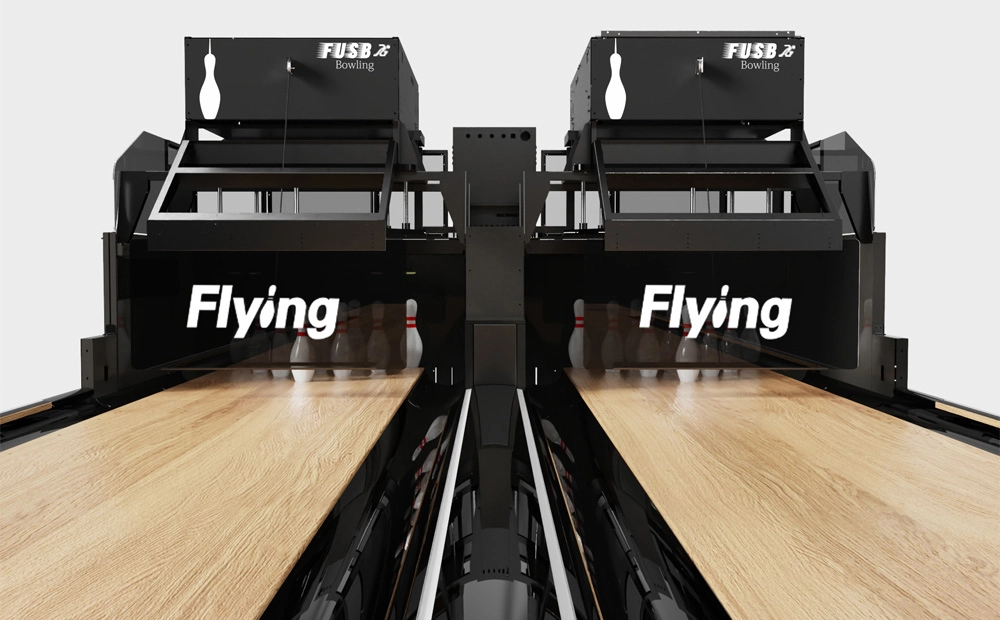
Flying Ultra Standard Bowling
Flying Ultra Standard Bowling (FUSB) Upgraded Version
The string pinsetter uses the latest technology. It offers a more enjoyable bowling experience thanks to its innovative designs and modern technology.

Get in touch
Contact us
If you contact us now for more details, we can provide you with a custom bowling alley service.
Our service team will get back to you within 24 hours, normally!



Professional Bowling Alley Equipment Manufacturer, a one-stop solution provider for bowling alleys.
Facebook
YouTube
Linkedin
Twitter