















Mini Bowling Alley Cost & ROI Guide 2026: Invest Smart, Maximize Returns
A comprehensive 2026 guide on mini bowling alley costs, covering commercial vs. home setups, ROI expectations, and detailed expense breakdowns for smart investing.
- What is the Average Cost of a Mini Bowling Alley Investment?
- Quick Guide: Mini Bowling Investment at a Glance
- Understanding Mini Bowling: A Smart Entertainment Investment
- Detailed Breakdown of Mini Bowling Setup Costs
- Beyond the Lanes: Additional Startup & Operational Expenses
- Commercial vs. Home Mini Bowling: Cost & Considerations
- Maximizing Your Mini Bowling ROI: Revenue Streams & Profitability Strategies
- Calculating Your Mini Bowling Payback Period & Long-Term Value
- Expert Tips & Common Mistakes in Mini Bowling Investment
- Future of Mini Bowling: Trends & Innovations Impacting Investment
- Conclusion: Your Roadmap to a Profitable Mini Bowling Venture
- References
What is the Average Cost of a Mini Bowling Alley Investment?
Mini bowling alley investment costs typically range from $20,000 to $90,000 per lane in 2026, depending heavily on the scale (home vs. commercial) and customization level. This figure includes the lane system, pinsetters, scoring technology, and installation but excludes venue construction or renovation.
While a simple home setup might start near the lower end, a fully immersive commercial cost to build a mini bowling lane setup often reaches higher brackets due to durability requirements and advanced software. Understanding these figures is crucial because the initial capital expenditure (CapEx) directly influences your payback period.
· Entry-Level Home Setup: $20,000 – $40,000 per lane (basic mechanics, minimal theming).
· Premium Home Installation: $45,000 – $90,000+ per lane (custom woodwork, high-end automation).
· Commercial Mini/Duckpin Lane: $25,000 – $45,000 per lane (heavy-duty, POS integration).
· Multi-Lane Commercial Hub: $150,000+ (4+ lanes, lighting, server systems).
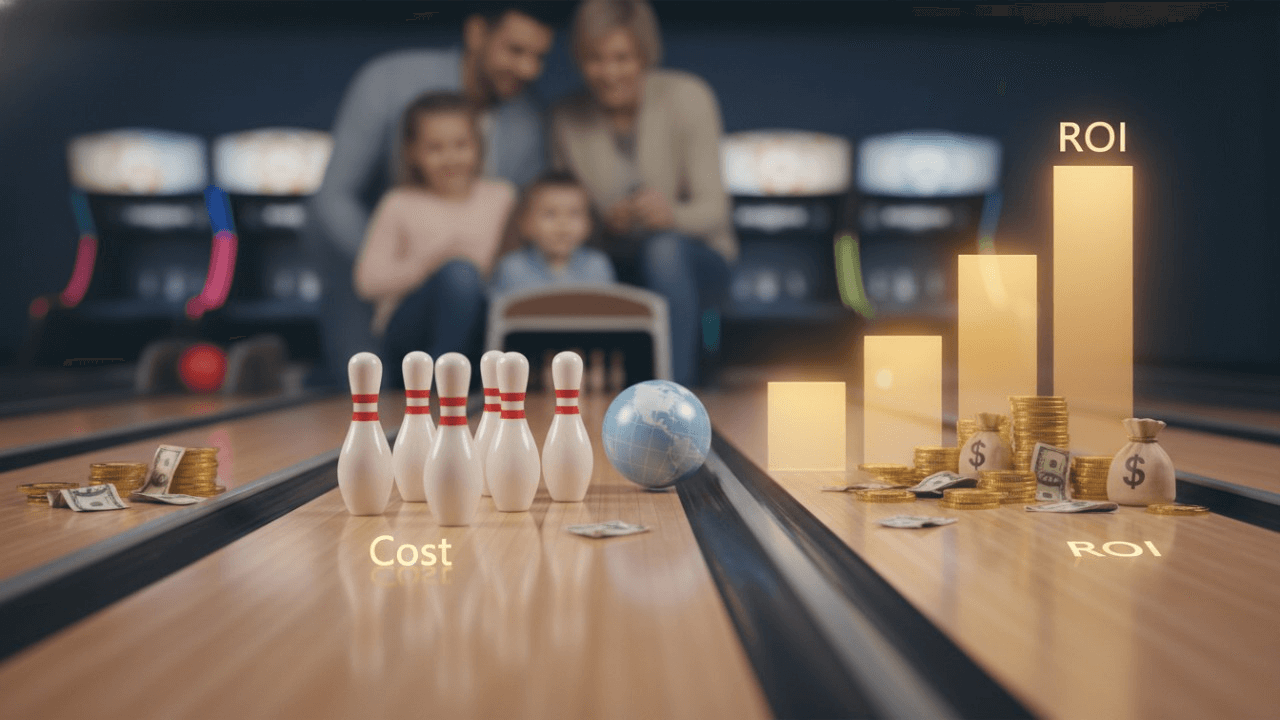
Quick Guide: Mini Bowling Investment at a Glance
Commercial mini bowling expenses are generally recoverable within 3 to 5 years if the venue is managed efficiently. The compact nature of mini bowling allows for higher revenue density per square foot compared to traditional bowling.
Below is a snapshot of the financial landscape for 2026:
· Initial Setup: $20,000 - $100,000+ per lane (varies by tech and finish).
· Operational Costs: $500 - $2,000+ per month per lane (utilities, staffing, parts).
· Key ROI Drivers: High turnover rate, F&B integration, and reduced footprint.
· Average Payback Period: 1-3 years for high-traffic FECs; 3-5 years for standalone venues.
· Critical Success Factors: Prime location, dynamic pricing, and robust maintenance protocols.
Understanding Mini Bowling: A Smart Entertainment Investment
Mini bowling profitability stems from its ability to deliver the excitement of traditional bowling in 40% less space. This reduced footprint allows operators to install lanes in existing bars, arcades, or hotels where full-size lanes would never fit.
Unlike traditional ten-pin bowling, mini bowling often uses string pinsetters and smaller balls (no finger holes), which drastically lowers mechanical complexity and maintenance overhead. This accessibility makes it a magnet for families and casual social groups, widening your potential customer base.
· Space Efficiency: Lanes are typically 30-45 feet long, fitting into compact commercial zones.
· Lower Barriers: No shoe rentals required means faster game turnover and lower equipment costs.
· Broad Appeal: Suitable for all ages, from toddlers to seniors, expanding the target demographic.
Detailed Breakdown of Mini Bowling Setup Costs
Cost to build mini bowling lane projects involves several distinct financial buckets, with equipment being the largest single line item. However, overlooking installation and ancillary systems can lead to budget overruns.
According to 2025 industry data, a comprehensive bowling lane cost analysis reveals that "hidden" costs like electrical upgrades and shipping can add 15-20% to the base price. Ensure your budget accounts for these granular details:
· Lane Systems & Equipment:
o Pinsetters: $10,000 - $30,000 per lane (String vs. Free-fall).
o Ball Returns: $2,000 - $8,000 per lane (Gravity vs. Lift).
o Scoring Systems: $5,000 - $15,000 (Monitors, software licenses, server).
· Lane Construction & Materials: Synthetic lanes are standard for durability, costing slightly more upfront than wood but saving significantly on maintenance.
· Installation & Labor: Professional installation ranges from $3,000 to $10,000 per lane depending on complexity and location.
· Ancillary Equipment: Balls, racks, and furniture typically add $2,000 - $5,000 per lane.
· Lighting & Sound: Integrated LED masking units and UV "glow" lighting systems can add $5,000+ per lane.
Beyond the Lanes: Additional Startup & Operational Expenses
Mini bowling maintenance budget planning is essential, as annual upkeep typically costs between $1,000 and $5,000 per lane. While string pinsetters reduce this cost compared to traditional machines, regular cleaning and part replacements are unavoidable.
Successful operators look beyond the hardware to the ecosystem that supports it. A commercial mini bowling expenses sheet must include:
· Site Preparation: Flooring reinforcement, electrical drops (208V/3-phase often required), and HVAC zoning.
· Permits & Insurance: Entertainment licenses and liability insurance can cost $2,000 - $10,000 annually.
· Marketing & Launch: A solid pre-opening campaign usually requires $10,000 - $25,000.
· Staffing: Tech-savvy attendants are needed for troubleshooting, though fewer are required than for traditional lanes.
· Utilities: Electricity usage for pinsetters and lane computers averages $100 - $400 per lane/month.
Commercial vs. Home Mini Bowling: Cost & Considerations
Home mini bowling setup cost is often higher per lane than commercial projects because residential installations lack economies of scale and often require custom aesthetic integration. While a commercial venue focuses on durability and throughput, a home alley focuses on luxury and design.
· Commercial Venue:
o Focus: Durability, automated payment, fast repair.
o Cost Efficiency: Bulk ordering (e.g., 4+ lanes) reduces per-lane shipping and installation costs.
o Regulation: Must meet ADA compliance and fire safety codes.
· Residential Setup:
o Focus: Quiet operation, custom wood finishes, noise dampening.
o Premium Pricing: Custom millwork and "hidden" technology can double the price.
o Flexibility: Often shorter lanes (custom lengths) to fit basements or spare rooms.
Maximizing Your Mini Bowling ROI: Revenue Streams & Profitability Strategies
Return on investment mini bowling metrics are strong, with modern Family Entertainment Centers (FECs) reporting net profit margins of 15% to 25%. The key is to treat the lanes as an anchor attraction that drives spending in other high-margin areas.
To maximize mini bowling profitability, diversify your income sources:
· Lane Rentals: Charge by the hour ($30-$60) or per game ($5-$8).
· F&B Integration: Food and beverage sales often constitute 40-50% of total revenue in bowling-anchored venues.
· Event Hosting: Corporate buyouts and birthday parties command premium package pricing.
· Dynamic Pricing: Increase rates during peak weekend hours and offer "all-you-can-bowl" specials on slow weekdays.
· Tech Efficiency: Use online booking to reduce staffing needs at the front desk.
Calculating Your Mini Bowling Payback Period & Long-Term Value
The average payback period for a well-located mini bowling operation is 1.5 to 3 years, assuming steady traffic and ancillary revenue. This is significantly faster than many other large-scale entertainment attractions, which can take 5+ years to break even.
To calculate your specific timeline:
1. Total Investment: (Equipment + Buildout + Launch Costs)
2. Net Monthly Profit: (Revenue - [Rent + Utilities + Labor + COGS])
3. Payback Months: Total Investment / Net Monthly Profit
· Factors Influencing ROI: Location foot traffic is the #1 driver. A venue inside a busy mall or next to a popular bar will recoup costs faster.
· Asset Value: High-quality equipment holds resale value (approx. 30-50% after 5 years), mitigating long-term risk.
Expert Tips & Common Mistakes in Mini Bowling Investment
Duckpin bowling alley cost estimates often surprise investors who confuse it with standard mini bowling; Duckpin uses specific, squat pins and often requires slightly more robust pinsetters. Knowing the nuance between "Mini," "Duckpin," and "Highway 66" styles is critical for accurate budgeting.
Avoid these common pitfalls to ensure a smooth launch:
· Underestimating Ceiling Height: Ensure you have 10-12 feet of clearance for screens and masking units.
· Ignoring Acoustics: Bowling is loud. Invest in acoustic panels, especially for home or restaurant settings.
· Cheap Equipment: Buying used or off-brand pinsetters often leads to higher mini bowling maintenance budget outflows later.
· Marketing Delay: Start marketing 3 months before opening, not the week of.
· Overlooking Ancillaries: Forget comfortable seating and drink rails, and customers won't stay (or spend) as long.
Future of Mini Bowling: Trends & Innovations Impacting Investment
Bowling alley financing options are evolving, with more lenders recognizing the stability of the FEC model. Trends moving into 2026 suggest a shift towards "social gaming" where the bowling experience is gamified with augmented reality (AR).
· Interactive Projection: Lanes that project targets and animations onto the wood (Spark technology) increase engagement.
· Cashless Systems: Fully integrated kiosks and mobile payments reduce theft and labor.
· Eco-Friendly Tech: Low-voltage pinsetters reduce power consumption by up to 40%.
· Hybrid Venues: Combining mini bowling with axe throwing or escape rooms for a multi-attraction hub.
Conclusion: Your Roadmap to a Profitable Mini Bowling Venture
Investing in a mini bowling alley offers a compelling blend of high revenue potential and manageable operational complexity. Whether you are eyeing a commercial mini bowling expenses sheet for a new business or a home mini bowling setup cost for a private residence, success lies in the details.
By securing reliable equipment, planning for maintenance, and leveraging multiple revenue streams, you can achieve a robust return on investment with a mini bowling model that pays dividends for years to come. Start your journey with a clear financial plan and a focus on the player experience.
References
· How Much Does a Bowling Lane Cost in 2025?

Quality Bowling
Technology
Can old equipment be upgraded?
We provide personalized transformation solutions for different venues, such as replacing old pinsetter machines with the latest string pinserrer machines , LED interactive lanes, etc.
Is there any charge for remote technical guidance?
Free lifetime remote video diagnostic service to quickly resolve software/settings issues
How can I get the latest technology upgrades?
Our customers can get software updates for free and hardware upgrades at cost price.
Installations
Do you provide technical support after the installation?
Absolutely. We offer ongoing technical support, including regular maintenance and emergency repair services.
Company
Do you have internationally certified production qualifications?
Our factory has passed ISO 9001 quality management system certification, and our products meet ASTM international bowling equipment standards.
You May Also Like
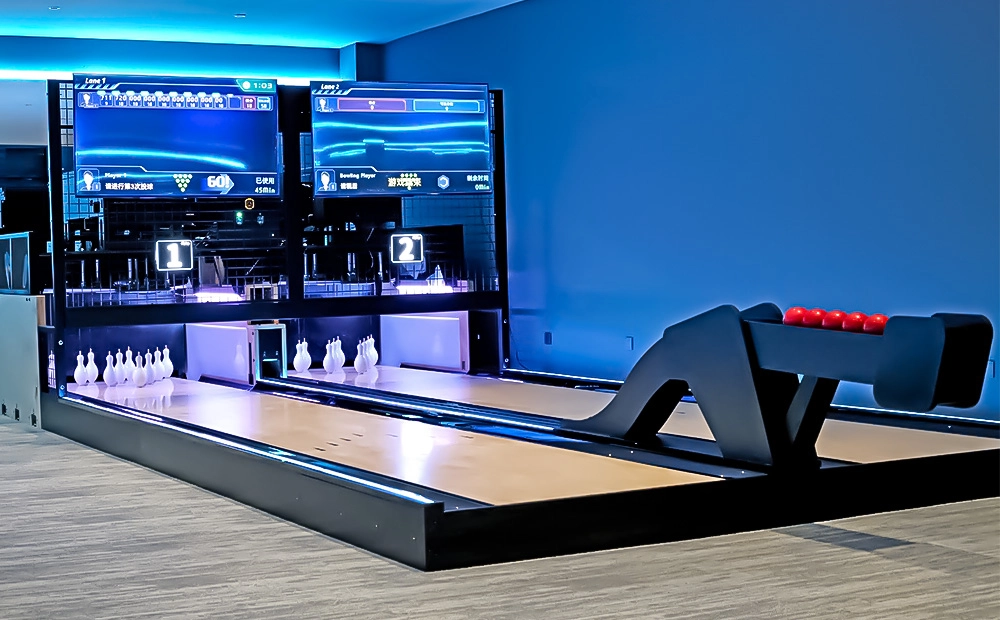
Flying Smart Duckpin Bowling
The innovative design of Flying Smart Duckpin Bowling (FSDB) makes it perfect for places like bars, billiard halls, and game centers. It makes people want to come back more often and spend more money. FSDB is fun and competitive, so it will become a new focus for social activities.
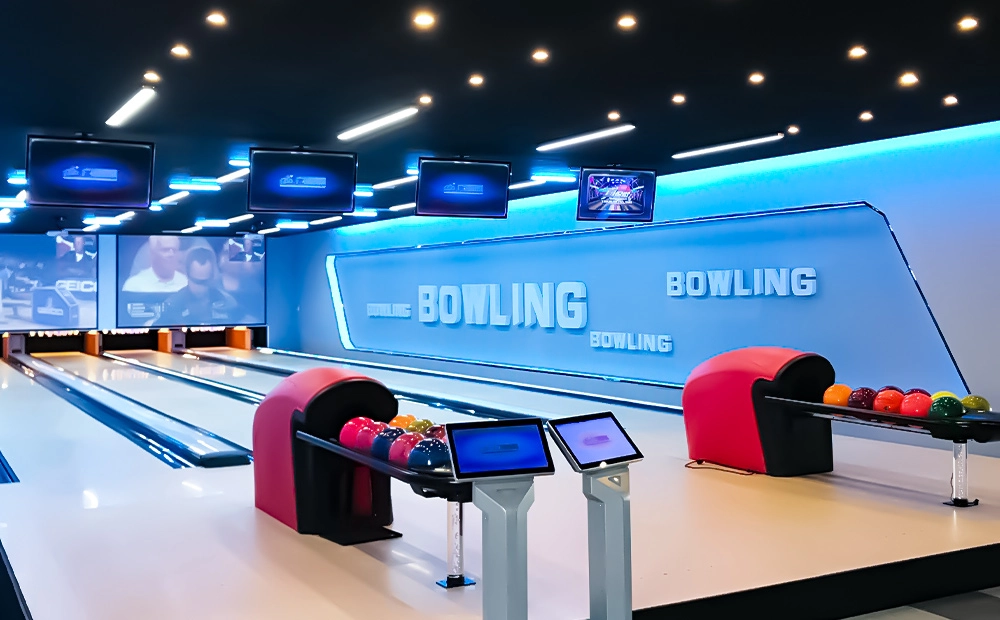
Flying Classic Standard Bowling
Flying Classic Standard Bowling (FCSB) employs the World Standard Competition Scoring System to deliver a more professional bowling experience, enabling bowlers to enjoy a professional-standard match at their convenience.
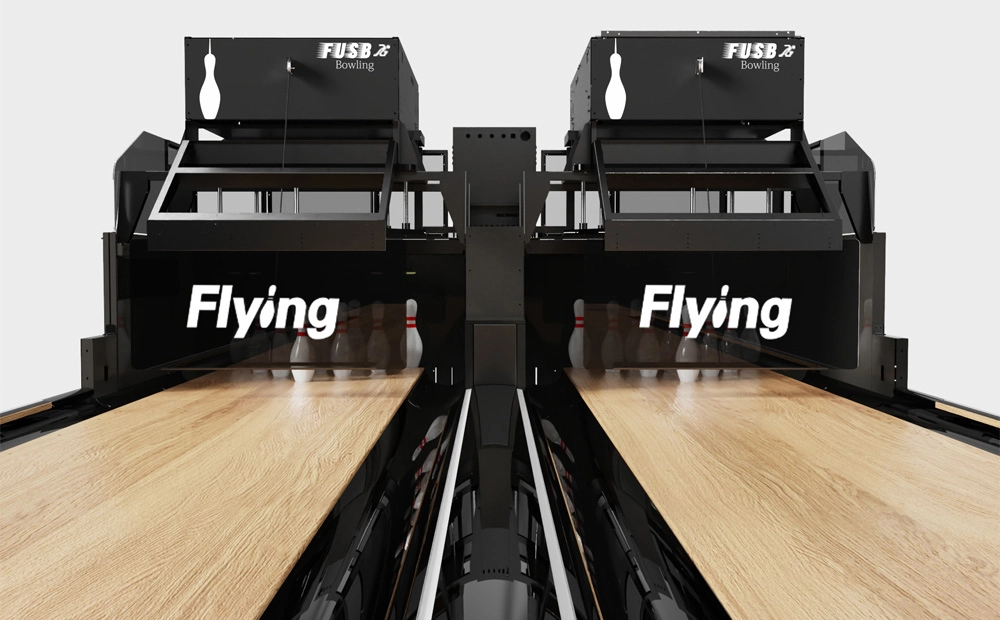
Flying Ultra Standard Bowling
Flying Ultra Standard Bowling (FUSB) Upgraded Version
The string pinsetter uses the latest technology. It offers a more enjoyable bowling experience thanks to its innovative designs and modern technology.

Get in touch
Contact us
If you contact us now for more details, we can provide you with a custom bowling alley service.
Our service team will get back to you within 24 hours, normally!



Professional Bowling Alley Equipment Manufacturer, a one-stop solution provider for bowling alleys.
Facebook
YouTube
Linkedin
Twitter