
















Are Bowling Alleys Profitable in 2026? Unlocking Success in the Modern Entertainment Era
This comprehensive guide analyzes the profitability of opening a bowling alley in 2026. It covers the shift from traditional centers to modern Family Entertainment Centers (FECs), detailed startup costs, operational expenses, and diversified revenue streams. Featuring insights on industry trends, high-tech design, and financial projections, this article provides actionable strategies for investors looking to capitalize on the resurgence of experiential entertainment.
- Introduction: The Resurgence of Bowling as a Prime Entertainment Investment
- The Modern Bowling Experience: Where Design Meets Profitability
- Understanding the Core Business Models for Bowling Alleys
- 1. Traditional Bowling Centers
- 2. Family Entertainment Centers (FECs)
- 3. Boutique Bowling Alleys
- 4. Hybrid Models
- Startup Costs: The Initial Investment to Open a Bowling Alley
- Operational Expenses: Keeping the Pins Rolling
- Diversified Revenue Streams: Beyond Lane Rentals
- Key Factors Driving and Maximizing Bowling Alley Profitability
- Financial Projections: What Owners Can Expect for ROI
- Challenges & Mitigations in the Bowling Business
- Conclusion: The Bright Future of Bowling Entertainment
- Frequently Asked Questions
- What is the average profit margin for a modern bowling alley?
- How much does it cost to open a modern bowling alley with diverse entertainment?
- What are the most profitable revenue streams for a bowling center?
- How long does it take for a bowling alley to become profitable (ROI)?
- What are the key trends shaping the bowling industry's profitability in 2026?
- Is it better to open an independent bowling alley or a franchise?
- How important is location for a bowling alley's success?
- How does technology improve bowling alley profitability?
- References
Introduction: The Resurgence of Bowling as a Prime Entertainment Investment
For decades, the bowling industry was defined by leagues, cheap beer, and utilitarian design. However, as we approach 2026, the narrative has shifted dramatically. Investors and entrepreneurs asking about bowling alley profitability in 2026 are discovering that the industry has undergone a renaissance, transforming from simple sport venues into multifaceted entertainment hubs.
The short answer to the core question is yes: with strategic modernization, bowling alleys are highly profitable. The industry is moving away from the "dusty alley" stereotype toward the Family Entertainment Center (FEC) model. As noted by Technavio in their market growth forecast, the sector is projected to grow significantly by 2029, driven by this transformation into family-friendly, all-encompassing leisure destinations.
This guide explores the financial landscape of the modern bowling business, breaking down the modern bowling alley business model, startup requirements, and the strategies required to secure a high Return on Investment (ROI).
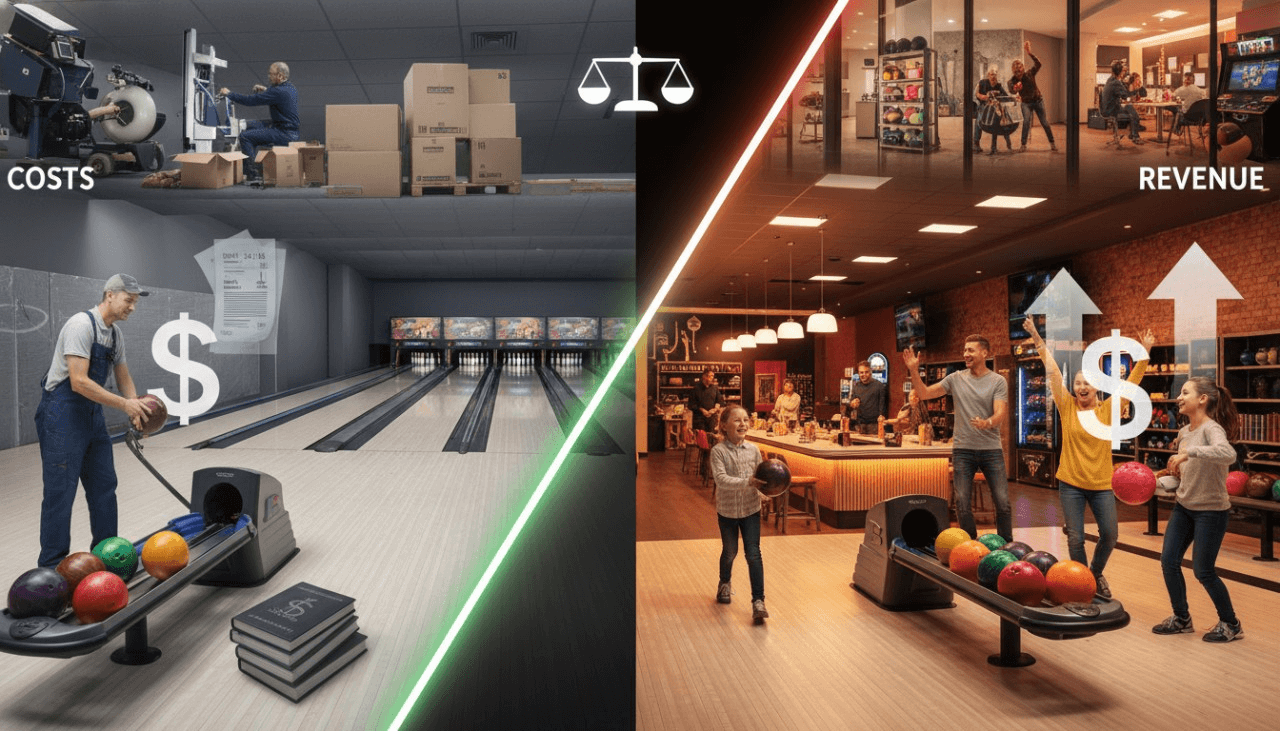
The Modern Bowling Experience: Where Design Meets Profitability
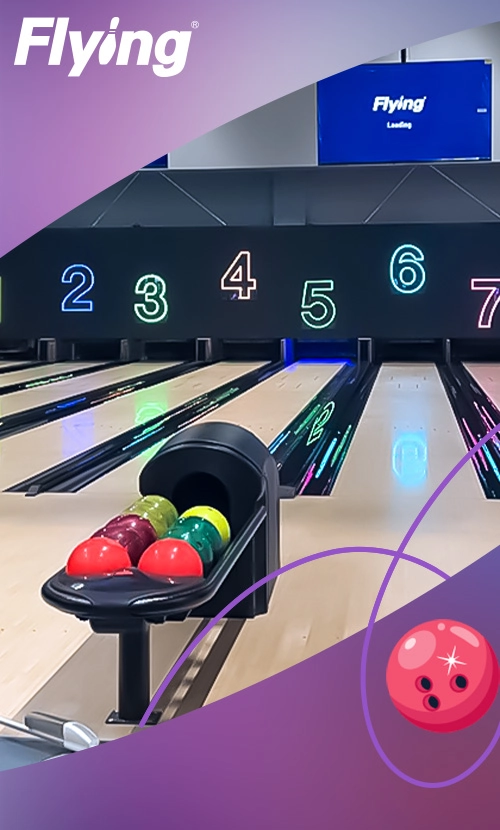
The primary driver of revenue in the current market is "experience." Today's consumer pays a premium not just for the game, but for the ambiance, the aesthetic, and the social environment.
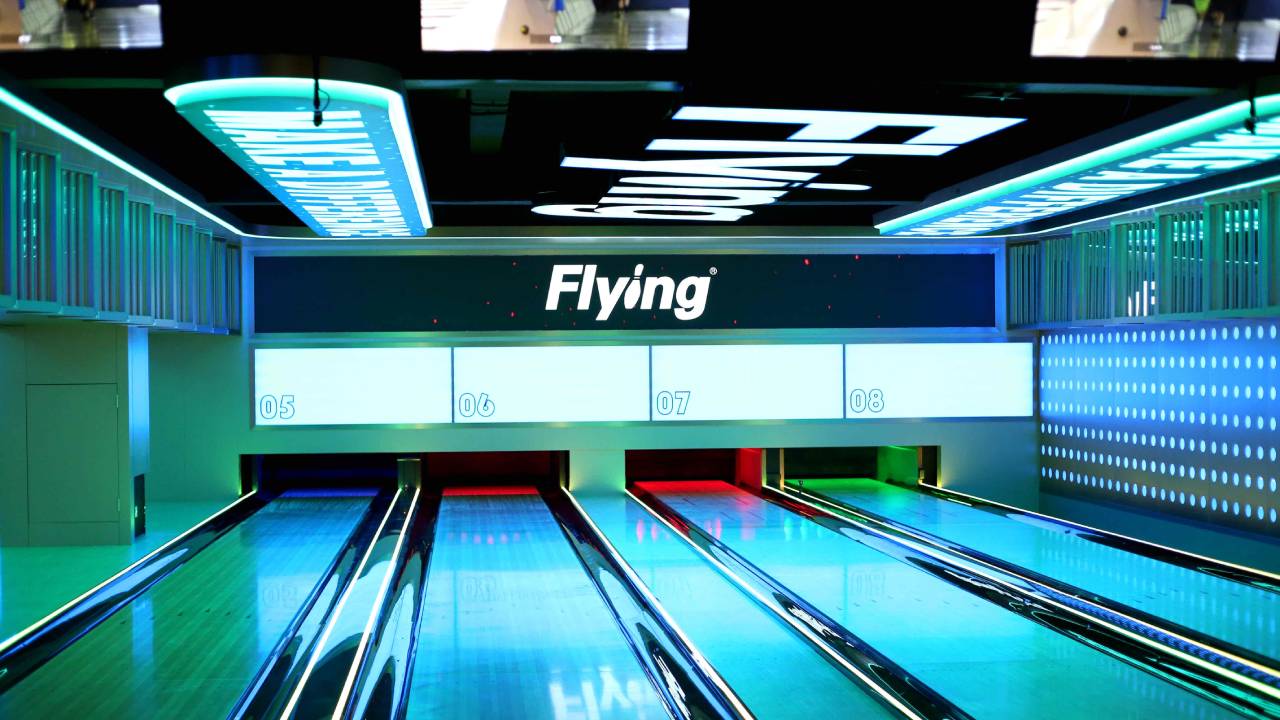
As seen in the image above, the modern bowling venue—exemplified by the "Flying" brand concept—prioritizes high-impact visual design. This ultra-modern setup features sleek lanes (numbered 05 through 08) bathed in cool blue and teal LED lighting, creating an immersive, futuristic atmosphere. The "Flying" logo is prominently displayed, reinforcing brand identity, while the gutters glow with vibrant light strips.
This aesthetic is not merely decorative; it is a financial strategy. By utilizing experiential bowling benefits such as "cosmic" or "glow" bowling, venues can attract diverse demographics, from corporate groups to late-night socializers, allowing owners to command higher price points per game. According to Flying Bowling's 2025 business insight, these modern design elements are crucial for capturing the younger demographic and increasing dwell time.
The integration of advanced technology, such as the digital screens and interactive scoring systems hinted at in the visual context, further enhances the customer journey. When a venue looks this polished—with textured wall panels and geometric light fixtures—it becomes a destination, justifying premium pricing on lanes and F&B alike.
Understanding the Core Business Models for Bowling Alleys
To accurately assess family entertainment center ROI, one must first understand the specific business model being deployed. As outlined by the experts at Sheets.Market, different models yield different profit margins.
1. Traditional Bowling Centers
These venues focus primarily on league play and open bowling. While they offer stable recurring revenue, their growth potential is often limited compared to modern models because they rely heavily on "lineage" (games bowled) rather than ancillary spending.
2. Family Entertainment Centers (FECs)
This is the dominant growth model for 2026. FECs integrate bowling with other attractions such as arcades, laser tag, mini-golf, and virtual reality. A report by Launch Trampoline Park highlights that the franchise and FEC sector is expanding because diversified entertainment options insulate the business from fluctuations in bowling demand.
3. Boutique Bowling Alleys
Targeting an adult demographic, boutique alleys focus on upscale design, gourmet food, craft cocktails, and a lounge-like atmosphere. These venues often have fewer lanes but generate significantly higher revenue per square foot due to premium F&B sales.
4. Hybrid Models
Hybrid centers combine elements of the above, catering to families during the day and transitioning into a nightlife venue for adults in the evening. This flexibility is key to maximizing bowling alley profit by keeping the facility active 14+ hours a day.
Startup Costs: The Initial Investment to Open a Bowling Alley
Determining the cost to open a boutique bowling alley or a large-scale FEC varies wildly based on location and scope. However, data from SMA Estimating and other industry sources provides a framework for understanding the capital required.
· Land & Construction: This is the largest variable. Building from the ground up versus renovating an existing big-box store creates a massive difference in cost per square foot. QTO Estimating notes that location and construction methods heavily influence this figure.
· Bowling Equipment: The heart of the operation. According to the pricing guide by Flying Bowling, costs for lanes include the synthetic lane surface, pinsetters (string or free-fall), ball returns, and scoring systems.
· Facility Fit-Out: To achieve the modern look seen in the earlier image, owners must budget for LED lighting systems, modern furniture, and high-quality sound systems.
· Licensing & Permits: Essential legal costs, including liquor licenses which are vital for profitability.
· Initial Inventory: This includes rental shoes, house balls, kitchen stock, and pro shop merchandise.
· Marketing & Branding: Pre-opening campaigns are critical. As suggested in business setup guides, establishing a brand identity early ensures a strong launch.
Profitability ultimately depends on one key factor: how much it costs to build and operate your bowling lanes. Before calculating ROI, understanding the real investment behind commercial and home bowling lanes is essential.
Operational Expenses: Keeping the Pins Rolling
Achieving bowling alley operational efficiency requires tight control over ongoing costs. A breakdown by Business Plan Templates lists the essential operating costs that owners must monitor.
· Staffing Costs: The biggest ongoing expense. Efficient scheduling is required for lane attendants, F&B staff, and technicians.
· Utilities: Modern centers consume significant energy. However, switching to LED lighting and energy-efficient pinsetters can drastically reduce electricity bills.
· Maintenance: Regular lane oiling and pinsetter repair are non-negotiable to maintain the customer experience.
· Insurance: Liability and property insurance are substantial due to the foot traffic and physical nature of the activity.
· Marketing: Continuous digital marketing is required to keep lane occupancy high during off-peak hours.
Diversified Revenue Streams: Beyond Lane Rentals
Reliance solely on lane rentals is a thing of the past. To ensure bowling center revenue generation remains robust, successful operators diversify their income.
· Lane & Shoe Rentals: This is the base income, often utilizing dynamic pricing for peak times and "cosmic" nights.
· Food & Beverage (F&B): This is often where the highest margins exist. According to Mordor Intelligence, the demand for enhanced F&B programs is a major trend driving market growth.
· Arcade & Gaming: Modern arcades with card-reader systems act as a "silent partner," generating revenue without the need for constant labor intervention.
· Events & Parties: Corporate team building and birthday parties provide high-ticket, pre-booked revenue that aids in cash flow forecasting.
· Sponsorships: Local businesses often pay to advertise on lane monitors or through league sponsorships.
Key Factors Driving and Maximizing Bowling Alley Profitability
Success in 2026 relies on more than just opening the doors. Strategies to maximize profitability, as outlined by industry analysts, include:
1. Strategic Location: Proximity to target demographics is paramount. A market analysis by Technavio emphasizes that location within thriving entertainment districts drives foot traffic.
2. Exceptional Customer Experience: In an era of "competitive socializing," the quality of service and the "Instagrammability" of the venue matter as much as the bowling itself.
3. Operational Efficiency & Technology: utilizing automated booking systems and reliable string pinsetters reduces downtime and labor costs.
4. Continuous Innovation: As highlighted in bowling industry future trends, staying current with entertainment technology (like Augmented Reality on lanes) keeps the venue relevant.
Financial Projections: What Owners Can Expect for ROI
Financial projections for bowling centers are generally positive for well-managed venues. Sources indicate that bowling alley profitability 2026 outlooks remain strong.
· Net Profit Margins: While traditional centers may see margins around 10-15%, modern FECs and boutique models can achieve net margins of 15-25% or higher due to the high contribution of F&B and arcade sales.
· ROI Timeline: Depending on the initial capital outlay, the typical ROI timeline ranges from 3 to 7 years.
· Revenue Per Lane: This metric is vital for benchmarking. High-performing boutique centers generate significantly more revenue per lane than traditional centers due to higher price points and ancillary spending.
Challenges & Mitigations in the Bowling Business
Despite the potential, the industry faces challenges. High initial investment is a barrier to entry, often requiring creative financing or investor partnerships. Furthermore, competition from other entertainment options (cinemas, TopGolf, escape rooms) is fierce.
To mitigate these risks, owners must focus on bowling alley operational efficiency and differentiation. As noted in the "10 Important Things to Consider" guide, distinct branding and a strong business plan are the best defenses against competition.
Conclusion: The Bright Future of Bowling Entertainment
As we look toward 2026, the bowling industry is not just surviving; it is thriving by reinventing itself. The transition to high-tech, visually stunning Family Entertainment Centers allows owners to tap into multiple revenue streams and cater to a sophisticated audience.
By understanding the cost to open a boutique bowling alley, mastering operational efficiency, and embracing the modern business model, investors can unlock substantial returns. The image of the neon-lit, futuristic lane is not just a picture of a bowling alley; it is a snapshot of a profitable future in the experiential entertainment market.
Frequently Asked Questions
What is the average profit margin for a modern bowling alley?
Profit margins can vary significantly, but modern, well-managed Family Entertainment Centers (FECs) and boutique bowling alleys often see net profit margins ranging from 15% to 25% or even higher. This is especially true for venues with strong food and beverage sales and diversified revenue streams. Traditional alleys might be closer to 10-15% if they haven't modernized their offerings.
How much does it cost to open a modern bowling alley with diverse entertainment?
Startup costs for a modern bowling alley or FEC can range from $1.5 million to $5 million+, depending on size, location, number of lanes, and additional attractions (arcades, laser tag, etc.). This includes land acquisition or leasehold improvements, construction, bowling equipment, F&B infrastructure, advanced AV/lighting, and initial working capital.
What are the most profitable revenue streams for a bowling center?
While lane rentals are core, the highest profit margins often come from diversified offerings such as high-quality food and beverage (especially alcohol), arcade games, and private event bookings (corporate parties, birthdays). Strategic pricing for 'cosmic bowling' or themed nights can also significantly boost revenue per game.
How long does it take for a bowling alley to become profitable (ROI)?
The Return on Investment (ROI) timeline for a bowling alley typically ranges from 3 to 7 years. This is influenced by the initial investment, operational efficiency, pricing strategy, and market demand. Well-executed FECs or boutique models with strong marketing and diverse income can achieve faster ROI.
What are the key trends shaping the bowling industry's profitability in 2026?
Key trends include the continued rise of Family Entertainment Centers (FECs), emphasis on 'competitive socializing' and experiential entertainment, and the adoption of advanced technology (digital scoring, immersive visuals). Modernization and creating Instagrammable environments, like the neon-lit designs seen in modern branding, are also crucial for attracting new generations.
Is it better to open an independent bowling alley or a franchise?
Franchises offer a proven business model, brand recognition, and operational support, potentially reducing risk for new owners, but they come with ongoing fees. Independent ownership allows for greater creative control, unique branding, and potentially higher profit margins without franchise royalties, but it requires more entrepreneurial effort and risk.
How important is location for a bowling alley's success?
Location is paramount. High visibility, easy accessibility, ample parking, and proximity to target demographics (families, young adults, corporate centers) are critical. A location within a thriving entertainment district or near residential areas can significantly impact foot traffic and profitability.
How does technology improve bowling alley profitability?
Technology improves profitability through enhanced customer experience (advanced scoring, interactive games) and operational efficiency (online booking, automated systems, energy-efficient lighting). It also aids in diversified revenue generation (VR experiences, digital advertising) and data collection for targeted marketing and loyalty programs.
References
· Is Owning Bowling Alley Profitable? 2025 Business Insight - Flying Bowling
· How Much Money Does a Bowling Alley Make? - Sheets.Market
· How Profitable is Bowling Alley? Revenue, Costs & ROI Breakdown (2025)

Quality Bowling

Service
Is there any training or guidance service to help customers use the equipment better?
Free on-site or remote training, with a Chinese-English bilingual operation manual + fault code quick reference table to help customers use the equipment better.
Installations
Was the equipment installed by professional technicians?
The installation team we dispatched is composed of professional technicians who have undergone rigorous assessment and training and have rich experience in bowling equipment installation. The team uses digital debugging tools throughout the process to ensure that each component of the equipment can be accurately installed and debugged to achieve optimal operating conditions.
Products
How to deal with the differences in power/specification standards in different countries?
Support 110V—240V voltage adaptation, comply with international safety certifications such as CE/UL, and provide localized standard transformation services.
Can I choose the color and brand logo of the equipment?
Personalized customization is supported, including lane color, LOGO, theme lighting system, etc.
Customer care
My room isn't quite long enough. Can you install slightly shorter lanes that are non-regulation length?
Of course, we can customize bowling lanes according to your venue.
You May Also Like
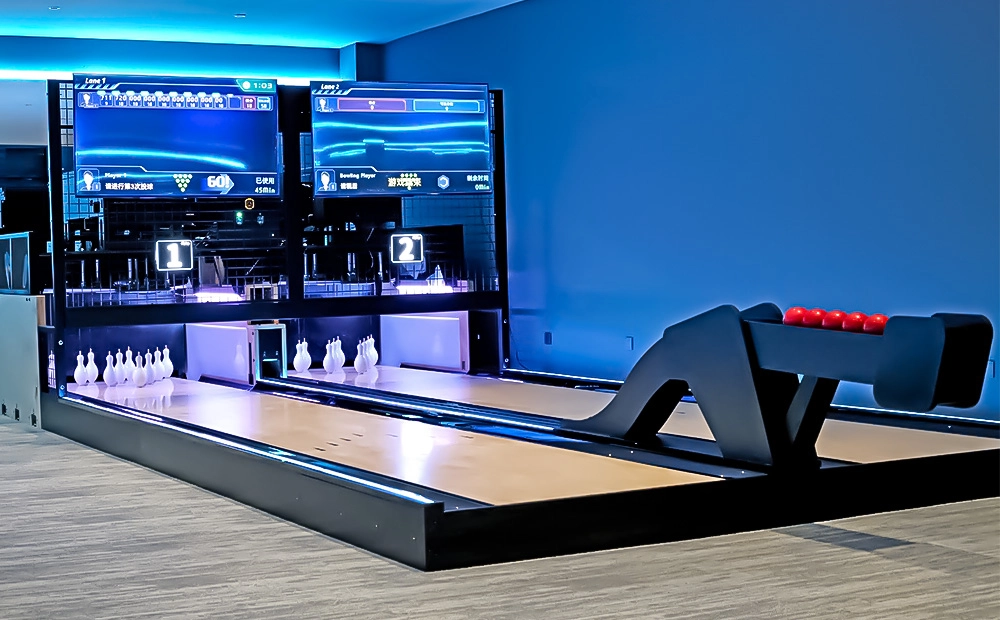
Flying Smart Duckpin Bowling
The innovative design of Flying Smart Duckpin Bowling (FSDB) makes it perfect for places like bars, billiard halls, and game centers. It makes people want to come back more often and spend more money. FSDB is fun and competitive, so it will become a new focus for social activities.
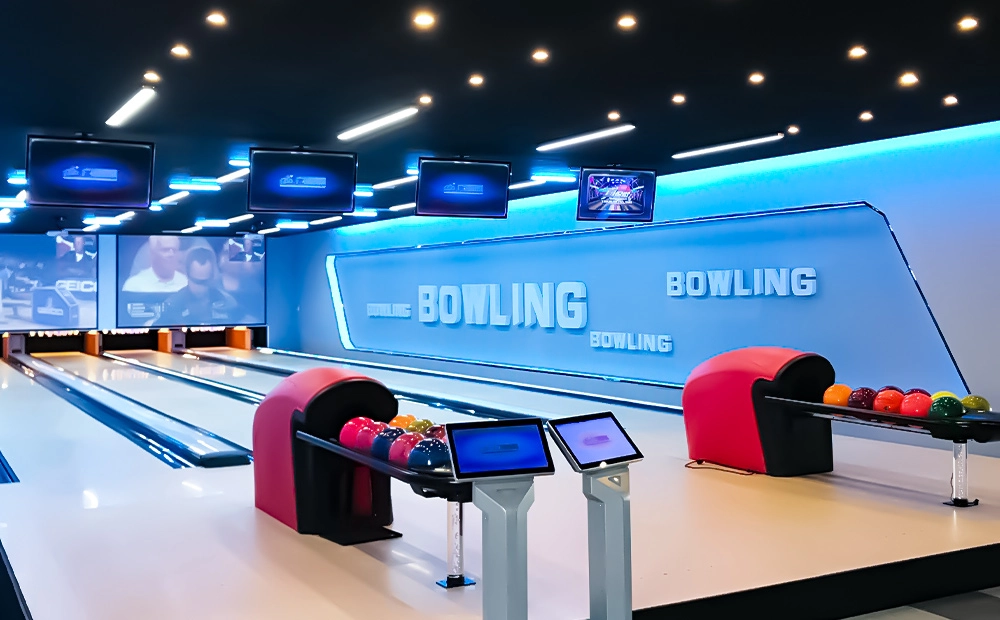
Flying Classic Standard Bowling
Flying Classic Standard Bowling (FCSB) employs the World Standard Competition Scoring System to deliver a more professional bowling experience, enabling bowlers to enjoy a professional-standard match at their convenience.
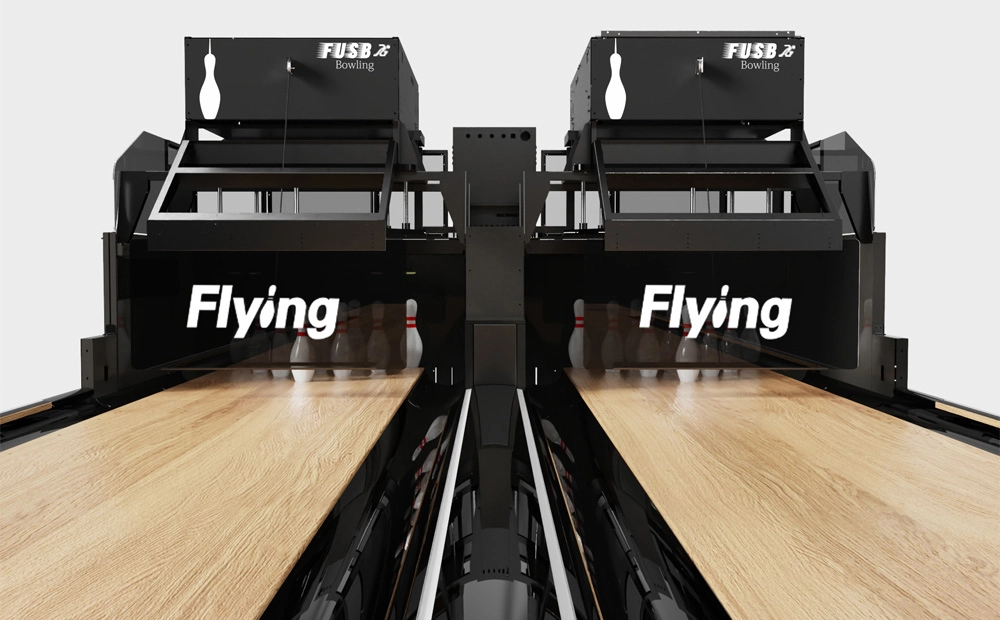
Flying Ultra Standard Bowling
Flying Ultra Standard Bowling (FUSB) Upgraded Version
The string pinsetter uses the latest technology. It offers a more enjoyable bowling experience thanks to its innovative designs and modern technology.

Get in touch
Contact us
If you contact us now for more details, we can provide you with a custom bowling alley service.
Our service team will get back to you within 24 hours, normally!



Professional Bowling Alley Equipment Manufacturer, a one-stop solution provider for bowling alleys.
Facebook
YouTube
Linkedin
Twitter