















Bowling Alley Construction Costs 2026: The Definitive Guide to Building Your Dream Center
This comprehensive guide analyzes the costs of building a bowling alley in 2026, covering commercial budgets, home setups, equipment prices, and hidden expenses. It provides actionable insights on financing, ROI calculation, and navigating the complexities of construction to ensure a profitable investment.
- Introduction: Unlocking the Costs of Your Bowling Alley Vision
- The Grand Overview: Bowling Alley Cost Ranges & What to Expect
- Deep Dive: Key Factors Shaping Your Bowling Construction Budget
- Location & Real Estate
- Size & Number of Lanes
- Design & Building Type
- Deconstructing the Core: Bowling Equipment & Technology Costs
- Bowling Lanes: Synthetic vs. Wood
- Pinsetters & Ball Returns
- Scoring & Management Systems
- Beyond the Basics: Architectural, Structural & Mechanical Costs
- HVAC & Climate Control
- Soundproofing & Acoustics
- Electrical & Lighting
- Soft Costs & Hidden Expenses: Don't Get Caught Off Guard
- Operational Readiness: Initial Operating Costs & Working Capital
- Specialized Builds: Cost Variations for Different Bowling Concepts
- Family Entertainment Centers (FECs)
- Boutique & Luxury Alleys
- Home Bowling Alleys
- Smart Investments: Maximizing ROI & Future-Proofing
- Cutting Costs Without Cutting Corners
- Financing Your Vision: Options & Strategies
- Conclusion: Building a Profitable & Lasting Bowling Entertainment Hub
- Frequently Asked Questions
- What is the average startup cost for a commercial bowling alley in 2026?
- How much does it cost to install a single bowling lane?
- What are the most significant hidden costs in bowling alley construction?
- Is it cheaper to build a new bowling alley or renovate an existing building?
- What is the ROI for a bowling alley business?
- Can I build a home bowling alley, and what does it typically cost?
- What permits and licenses are required to open a bowling alley?
- References
Introduction: Unlocking the Costs of Your Bowling Alley Vision
Building a bowling alley is more than just laying down wood and setting up pins; it is an architectural feat that blends entertainment, technology, and community space. Whether you are an entrepreneur planning a large-scale commercial hub or a homeowner looking for the ultimate recreation room, understanding the financial landscape is critical. A detailed bowling alley startup cost breakdown is the foundation of any successful project, serving as the roadmap between your vision and reality.
In this guide, we provide the most comprehensive resource for understanding bowling construction costs as we head into 2026. From the granular details of a pinsetter cost guide to the broad strokes of a commercial bowling center budget, we cover the spectrum of investments required. We will navigate the complexities of real estate, specialized mechanical systems, and the latest technology to help you determine exactly what it takes to bring your dream center to life.
The Grand Overview: Bowling Alley Cost Ranges & What to Expect
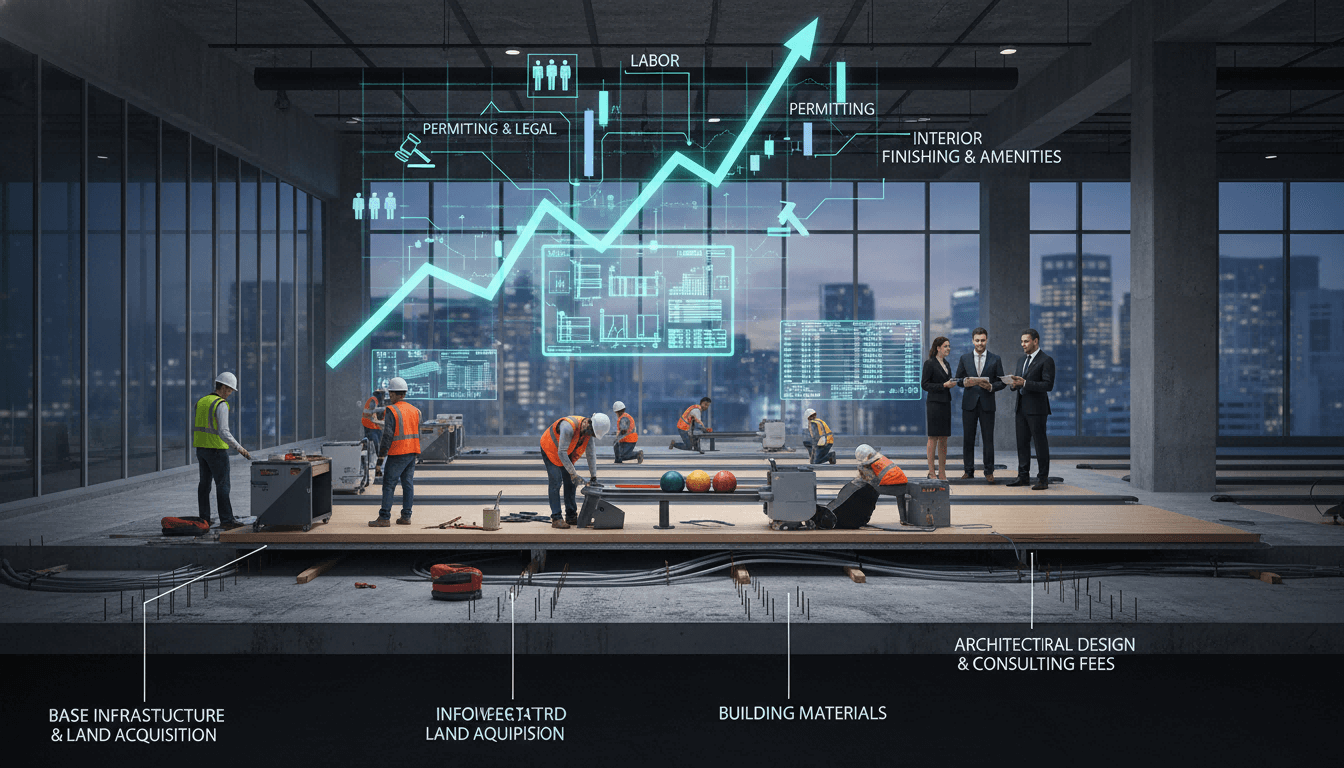
When estimating the budget for a new project, the range can be staggering. According to Startup Financial Projection, the total startup cost to open a new bowling alley in the USA typically ranges from $800,000 to over $45 million. This massive variance depends heavily on facility size, location, and the inclusion of high-end amenities like arcades or gourmet kitchens.
For a commercial bowling center budget, industry averages suggest a cost per lane installation falling between $30,000 and $80,000. This figure strictly covers the lane and equipment, excluding the building shell and land. On the residential side, HomeGuide notes that a home bowling lane installation price typically ranges from $75,000 to $175,000 for a traditional 10-pin setup, though mini-bowling options can be significantly cheaper.
It is vital to distinguish between the total project cost and construction costs. Your budget must account for land acquisition, soft costs (architectural fees, permits), and operating capital, not just the physical bricks and mortar.
Deep Dive: Key Factors Shaping Your Bowling Construction Budget
Location & Real Estate
Real estate is often the largest line item. Building in a dense urban center will skyrocket costs compared to rural locations. Site preparation, including grading and utility connections, can add unexpected expenses. A report by Estimate Florida Consulting emphasizes that selecting the right location is the first step in precise cost estimation.
Size & Number of Lanes
The number of lanes dictates the footprint and the mechanical complexity of the building. There is an efficiency of scale; a 30-lane center will have a lower cost-per-lane regarding HVAC and foundation work compared to a smaller boutique setup. For those asking how much to build 8 lane bowling alley, you are often looking at a sweet spot for boutique venues, where the equipment costs are manageable, but the per-square-foot finish costs might be higher to create an intimate atmosphere.
Design & Building Type
Are you constructing a new metal building or retrofitting an old industrial warehouse? Renovation can save on the shell but may require expensive structural reinforcements. Furthermore, the design theme—whether a standard league center or a high-end luxury lounge—will dictate your boutique bowling alley design budget.
Deconstructing the Core: Bowling Equipment & Technology Costs
Bowling Lanes: Synthetic vs. Wood
One of the most common debates is synthetic vs wood bowling lanes cost. Modern centers overwhelmingly favor synthetic lanes due to their durability and lower maintenance. While synthetic lanes may have a higher upfront material cost, their longevity makes them a smarter investment for high-traffic commercial centers.
Pinsetters & Ball Returns
Technology has revolutionized this space. String pinsetters are becoming popular due to their lower energy consumption and maintenance needs compared to traditional free-fall machines. A pinsetter cost guide would suggest that while refurbished free-fall machines might save initial capital, new string pinsetters can reduce long-term operating costs.
Scoring & Management Systems
Gone are the days of manual scoring. Today's costs include advanced POS systems and interactive scoring displays that gamify the experience. Integrated software that manages bookings, waitlists, and F&B orders is essential for a modern family entertainment center costs structure.
Beyond the Basics: Architectural, Structural & Mechanical Costs
HVAC & Climate Control
Bowling alleys require specialized HVAC systems not just for guest comfort, but to maintain the integrity of the lanes. Fluctuations in temperature and humidity can damage lane surfaces and affect ball reaction.
Soundproofing & Acoustics
The crash of pins is the sound of excitement, but it shouldn't be deafening in the restaurant area. As noted in guides by Smart.DHgate, investing in acoustic ceiling tiles and wall treatments is crucial for creating a comfortable environment, particularly in mixed-use family entertainment center costs scenarios.
Electrical & Lighting
Modern "Cosmic Bowling" or "Glow Bowling" requires sophisticated LED lighting systems. Additionally, pinsetters and kitchen equipment have significant power draw requirements that necessitate heavy-duty electrical infrastructure.
Soft Costs & Hidden Expenses: Don't Get Caught Off Guard
Many entrepreneurs focus solely on construction and equipment, neglecting the "soft costs" which can comprise 20-30% of the total budget.
· Architectural & Engineering Fees: Specialized MEP (Mechanical, Electrical, Plumbing) plans are non-negotiable.
· Permits & Impact Fees: Municipalities often charge heavy impact fees for entertainment venues due to traffic and utility load.
· Contingency Fund: A robust business plan, like the one outlined by LivePlan, suggests carrying a contingency of 10-20% to handle unforeseen issues like supply chain delays or soil problems.
Operational Readiness: Initial Operating Costs & Working Capital
Before you roll the first ball, you need working capital. This includes staffing costs for training, initial inventory for the bar and pro shop, and pre-launch marketing. Growthink highlights that non-capital investments like working capital are just as critical as the physical build-out to ensure you survive the ramp-up period.
Specialized Builds: Cost Variations for Different Bowling Concepts
Family Entertainment Centers (FECs)
FECs are diverse revenue engines. The family entertainment center costs go beyond lanes to include laser tag arenas ($50k-$150k), extensive arcade game rooms, and commercial kitchens. These centers require larger footprints and more complex zoning approvals.
Boutique & Luxury Alleys
A boutique bowling alley design budget prioritizes aesthetics over lane count. Expect higher costs per square foot for premium furniture, custom millwork, and high-end audio-visual systems. These venues often generate higher revenue per customer through upscale food and beverage offerings.
Home Bowling Alleys
For residential projects, the home bowling lane installation price is driven by customization. According to Checkatrade, costs vary depending on whether you choose a simple recreational setup or a regulation-standard lane that requires significant structural modification to the home.
Smart Investments: Maximizing ROI & Future-Proofing
To ensure profitability, you must perform a thorough bowling alley ROI calculation. A report by IMARC Group emphasizes the importance of a diverse revenue model. Relying solely on lineage (game fees) is rarely enough.
· Diversify: Add food, beverage, and events.
· Energy Efficiency: Use LED lights and efficient pinsetters to lower utility bills.
· Tech Integration: Future-proof with cloud-based systems that allow for easy software updates.
Cutting Costs Without Cutting Corners
· Refurbished Equipment: Buying certified used pinsetters can save 30-50% compared to new models.
· Phased Construction: Start with the lanes and a basic bar, then add the arcade or VIP room in Phase 2.
· Smart Sourcing: Wonka Playground suggests researching materials and equipment from various suppliers to find the best balance of quality and price.
Financing Your Vision: Options & Strategies
Securing capital is a major hurdle. Bowling equipment financing is a specific niche where lenders use the equipment itself as collateral, often offering better rates than unsecured loans.
· SBA Loans: A common route for US-based startups.
· Equipment Leasing: Lowers upfront cash outlay.
· Investors: Necessary for multi-million dollar FECs.
Conclusion: Building a Profitable & Lasting Bowling Entertainment Hub
Constructing a bowling alley in 2026 is a significant financial undertaking, but with the right planning, it offers substantial rewards. By accurately forecasting your commercial bowling center budget or home bowling lane installation price, and keeping a close eye on ROI, you can build a venue that stands the test of time. Thorough research, expert partners, and a solid financial buffer are your best assets in this journey.
Frequently Asked Questions
What is the average startup cost for a commercial bowling alley in 2026?
Startup costs for a commercial bowling alley in 2026 typically range from $1.5 million to over $10 million. As stated by Startup Financial Projection, this variance is driven by facility size, location, and amenities. A small boutique center will be at the lower end, while a massive Family Entertainment Center (FEC) with arcades and laser tag will be at the higher end.
How much does it cost to install a single bowling lane?
The cost to install a single bowling lane generally falls between $30,000 and $80,000. This price includes the synthetic vs wood bowling lanes cost, the pinsetter, ball return, and scoring system. QTO Estimating notes that equipment choices (new vs. refurbished) significantly impact this per-lane figure.
What are the most significant hidden costs in bowling alley construction?
Common hidden costs include specialized HVAC systems to maintain lane conditions, advanced soundproofing to meet code, and unexpected site preparation work. Additionally, soft costs like architectural fees and permits can eat up 20% of your budget if not properly accounted for in your bowling alley startup cost breakdown.
Is it cheaper to build a new bowling alley or renovate an existing building?
Renovating an existing structure is often cheaper than ground-up construction, provided the building has the necessary clear-span structure (no columns in the lane area) and ceiling height. However, retrofitting for modern bowling equipment financing and electrical needs can sometimes reveal expensive surprises.
What is the ROI for a bowling alley business?
A bowling alley ROI calculation typically shows returns of 15% to 30%, depending heavily on ancillary revenue streams like food and beverage. IMARC Group reports that diversified business models significantly improve profitability and shorten the payback period.
Can I build a home bowling alley, and what does it typically cost?
Yes, you can build a home bowling alley. According to HomeGuide, the typical home bowling lane installation price ranges from $75,000 to $175,000 for a regulation-size lane. Mini-bowling setups are more affordable, often costing between $35,000 and $90,000.
What permits and licenses are required to open a bowling alley?
You will need building permits, zoning approval, health department permits for food service, and liquor licenses. Compliance with the Americans with Disabilities Act (ADA) is also mandatory for all public venues.
References
· How Much Does It Cost to Build a Bowling Alley - QTO Estimating
· What are Startup Costs for Bowling Alley? - Startup Financial Projection
· Bowling Center Business Plan | LivePlan
· How Much Does It Cost to Build a Bowling Center? - Estimate Florida Consulting
· How Much Does a Home Bowling Alley Cost? (2025) - HomeGuide

Quality Bowling
Service
If there is a problem with the equipment, how long will it take you to respond?
We promise to provide a solution within 12 hours (24 hours for overseas customers), and serious failures will be handled first.
Products
Can I customize the bowling equipment to fit my venue's theme?
Yes, we offer fully customized solutions, including lane colors, scoring systems, and pinsetter designs to match your venue’s theme.
Installations
How long does it take to install bowling equipment?
The installation process can take between 2-4 weeks, depending on the size of the project and the specific type of equipment being installed.
Was the equipment installed by professional technicians?
The installation team we dispatched is composed of professional technicians who have undergone rigorous assessment and training and have rich experience in bowling equipment installation. The team uses digital debugging tools throughout the process to ensure that each component of the equipment can be accurately installed and debugged to achieve optimal operating conditions.
Customer care
My room is only about 50 or 60 feet long. How short is too short" for bowling lanes?
That depends on what each person likes. It's like asking how low we can put a basketball goal so that it's still fun. If your bowlers are mostly kids or people who haven't bowled much, they might not mind extremely short lanes. But serious league and tournament bowlers won't like a lane that isn't the normal size.
You May Also Like
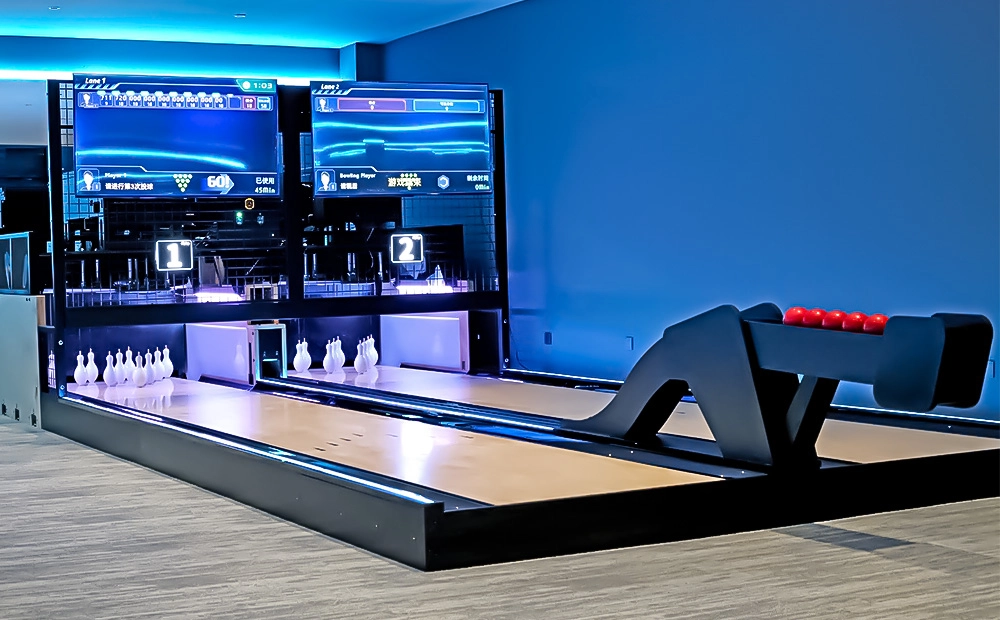
Flying Smart Duckpin Bowling
The innovative design of Flying Smart Duckpin Bowling (FSDB) makes it perfect for places like bars, billiard halls, and game centers. It makes people want to come back more often and spend more money. FSDB is fun and competitive, so it will become a new focus for social activities.
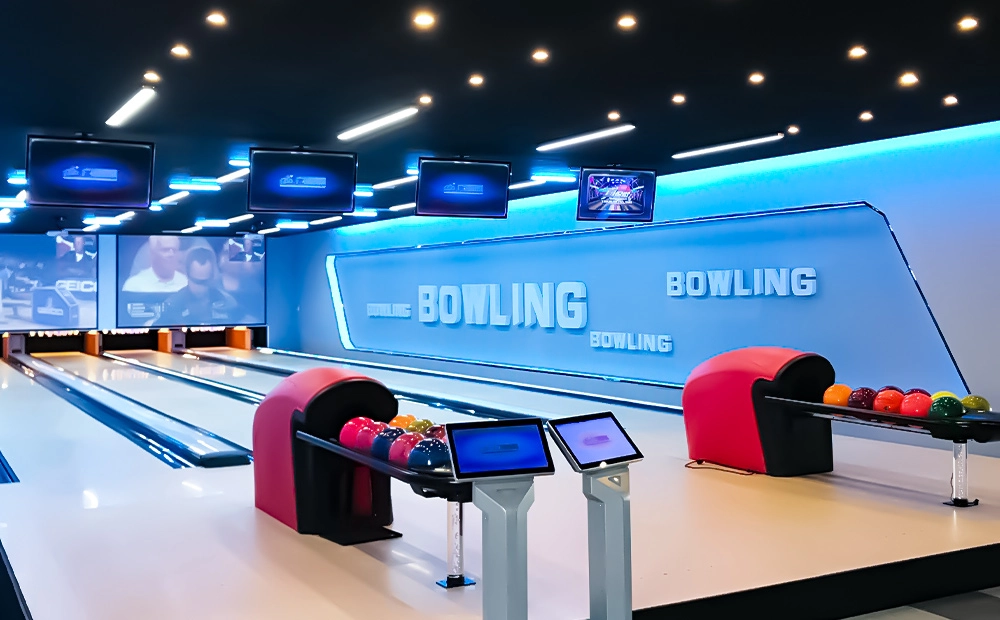
Flying Classic Standard Bowling
Flying Classic Standard Bowling (FCSB) employs the World Standard Competition Scoring System to deliver a more professional bowling experience, enabling bowlers to enjoy a professional-standard match at their convenience.
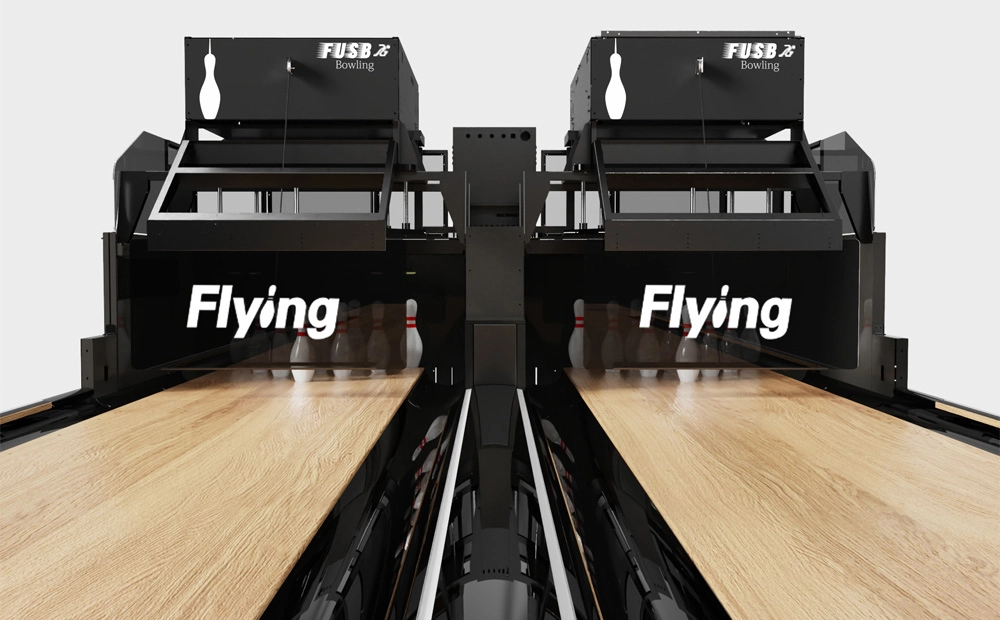
Flying Ultra Standard Bowling
Flying Ultra Standard Bowling (FUSB) Upgraded Version
The string pinsetter uses the latest technology. It offers a more enjoyable bowling experience thanks to its innovative designs and modern technology.

Get in touch
Contact us
If you contact us now for more details, we can provide you with a custom bowling alley service.
Our service team will get back to you within 24 hours, normally!



Professional Bowling Alley Equipment Manufacturer, a one-stop solution provider for bowling alleys.
Facebook
YouTube
Linkedin
Twitter