














Your Blueprint for Building a Bowling Alley: A 2026 Comprehensive Guide for Home & Commercial Success
A comprehensive 2026 guide on building a bowling alley, covering commercial and home costs, design layouts, and essential equipment like string pinsetters. Learn about market trends and Flying Bowling's expert solutions.
- Introduction: Turning Your Bowling Alley Dream into a Reality
- Defining Your Vision: Commercial vs. Home Bowling Alley
- Commercial Bowling Alley
- Home Bowling Alley
- Space Requirements and Optimal Layout Design
- Standard Ten-Pin Bowling Lane Dimensions
- Innovative Solutions for Smaller Spaces
- Essential Equipment for Your State-of-the-Art Bowling Alley
- Pinsetters: The Heart of the Lane
- Lanes and Approaches
- Scoring and Ancillary Equipment
- The Cost of Building a Bowling Alley: A Detailed Breakdown
- Commercial Bowling Alley Costs (Ranges)
- Home Bowling Alley Costs (Ranges)
- Value Proposition with Flying Bowling
- The Construction Process and Project Management
- Planning and Design Phase
- Site Preparation and Structural Work
- Equipment Installation
- Finishing Touches and Inspection
- Choosing the Right Partner: Why Flying Bowling is Your Ideal Choice
- Permits, Regulations, and Long-Term Maintenance
- Navigating Legalities
- Ensuring Longevity
- Conclusion: Building Your Bowling Legacy
- FAQ
- How much does it typically cost to build a commercial bowling alley?
- What are the essential space requirements for a standard ten-pin bowling lane?
- Is it feasible to build a bowling alley in a private residence?
- What is the difference between string pinsetters and traditional free-fall pinsetters?
- How long does the construction process usually take for a new bowling alley?
- Do I need special permits and licenses to build a bowling alley?
- What types of bowling alley equipment and services does Flying Bowling offer?
- How can I choose the best equipment supplier for my bowling alley project?
- References
Introduction: Turning Your Bowling Alley Dream into a Reality
The universal appeal of bowling transcends generations, offering a timeless blend of social interaction, competitive spirit, and entertainment. Whether you are an entrepreneur looking to tap into the resilient $4 billion global bowling market or a homeowner seeking the ultimate leisure upgrade, building a dedicated bowling space is a significant yet rewarding investment. As reported by market analysts, the bowling center industry is projected to grow at a steady CAGR of approximately 3-4% through 2035, driven by the modernization of facilities and the integration of immersive technology.
This guide serves as your comprehensive blueprint for building a bowling alley in 2026. We will navigate the complexities of construction, from initial concept and cost analysis to selecting the right bowling alley equipment supplier. Whether you envision a high-traffic commercial venue or a bespoke home bowling alley, understanding the technical nuances—such as lane dimensions and pinsetter technology—is crucial. With the support of industry veterans like Flying Bowling, who have been revolutionizing the sector since 2005, your vision of a state-of-the-art facility is within reach.
Defining Your Vision: Commercial vs. Home Bowling Alley
Commercial Bowling Alley
Success in the commercial sector begins with a robust bowling alley business plan. Modern venues are no longer just about the sport; they are Family Entertainment Centers (FECs). A comprehensive market analysis should identify your target audience—whether it's league bowlers or casual social groups.
· Revenue Streams: Diversification is key. Beyond lane fees, successful centers integrate Food & Beverage (F&B) services, arcades, and party rooms. According to industry reports, centers offering varied entertainment see significantly higher foot traffic.
· Design: Commercial bowling alley design must prioritize flow and atmosphere. Considerations include acoustic dampening, dynamic lighting, and a layout that encourages social interaction.
Home Bowling Alley
For residential projects, the focus shifts to personal lifestyle and aesthetics. A home bowling alley is the pinnacle of luxury entertainment, often serving as the centerpiece of a basement or recreation wing.
· Integration: The design should complement the home's existing architecture. Custom lane finishes and masking units can match interior décor.
· Budgeting: While revenue isn't the goal, value addition to the property is a major factor. A private alley transforms a residence into a unique leisure destination.
Space Requirements and Optimal Layout Design
Standard Ten-Pin Bowling Lane Dimensions
Precise spatial planning is non-negotiable. According to standard industry specifications:
· Length: A regulation ten-pin lane requires approximately 87 feet (26.5 meters) total length. This includes the 15-foot approach area, the 60-foot playing surface (foul line to headpin), and the pinsetter service area.
· Width: A standard pair of lanes (including gutters and ball return) typically requires about 11.5 to 12 feet in width.
· Height: A minimum ceiling height of 10 feet is recommended to accommodate equipment and create an open, comfortable atmosphere.
Innovative Solutions for Smaller Spaces
Not every venue has 100 feet of clearance. This is where compact solutions like Duckpin bowling and Mini bowling excel.
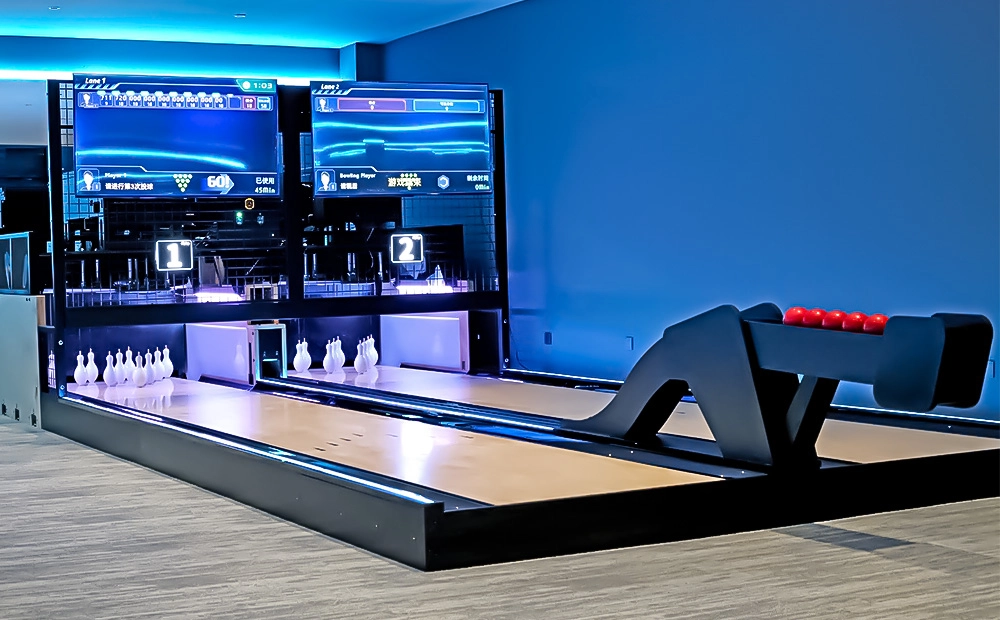
· Duckpin Bowling Alley: Flying Bowling’s Duckpin (FSDB) system offers a classic experience with smaller pins and balls, often requiring slightly less width and length than standard ten-pin, making it ideal for socializing venues.
· Mini Bowling: The mini bowling alley (Flying Bowling's FCMB) is a game-changer for tight spaces, requiring lane lengths of only 30-45 feet. It retains the fun of bowling with a significantly smaller footprint, perfect for arcades or smaller homes.
Essential Equipment for Your State-of-the-Art Bowling Alley
Pinsetters: The Heart of the Lane
The choice between pinsetters is critical for long-term operational efficiency.
· String Pinsetters: Rapidly becoming the industry standard for new builds, string pinsetters use cords to reset pins. They are a specialty of Flying Bowling, known for being energy-efficient (consuming up to 80% less power than free-fall machines) and virtually maintenance-free.
· Free-Fall vs. String: Traditional free-fall machines are complex with thousands of moving parts. In contrast, string pinsetters are cost-effective and reliable, significantly reducing the need for a full-time mechanic.
Lanes and Approaches
· Synthetic Lanes: Modern lanes are almost exclusively synthetic. They offer superior durability compared to wood, requiring less maintenance while providing consistent ball reaction.
· Flying Bowling Equipment: Since 2005, Flying Bowling has specialized in R&D, offering a full suite of equipment including the Medium Bowling (FSMB) and Standard Bowling (FCSB) systems, ensuring you have access to professional-grade hardware.
Scoring and Ancillary Equipment
· Scoring Systems: Modern automatic scoring systems must integrate with entertainment features, offering animations and social sharing capabilities.
· Ancillary Items: Don't overlook the essentials—ball returns, racks, shoes, and comfortable seating. Flying Bowling provides these as part of their one-stop customized service.
The Cost of Building a Bowling Alley: A Detailed Breakdown
Commercial Bowling Alley Costs (Ranges)
Building a commercial facility is a major capital undertaking.
· Total Investment: Depending on size and location, costs typically range from $2 million to over $8 million.
· Cost Per Lane: A general rule of thumb for commercial projects is approximately $80,000 to $100,000 per lane, inclusive of equipment, furniture, and construction.
· Breakdown: Major expenses include real estate (purchase or lease), bowling alley construction cost (materials and labor), equipment procurement (approx. 20-30% of budget), and permits.
Home Bowling Alley Costs (Ranges)
Residential projects benefit from smaller scale but require custom installation.
· Standard Setup: A single regulation home lane typically costs between $75,000 and $175,000.
· Compact Options: Mini or duckpin setups are more affordable, often ranging from $35,000 to $90,000.
Value Proposition with Flying Bowling
One of the most effective ways to manage costs without compromising quality is choosing the right partner. Flying Bowling offers flying bowling equipment that is comparable in quality to major European and American brands but at unbeatable prices. Their direct-from-manufacturer model provides significant cost advantages for both home and commercial builders.
The Construction Process and Project Management
Planning and Design Phase
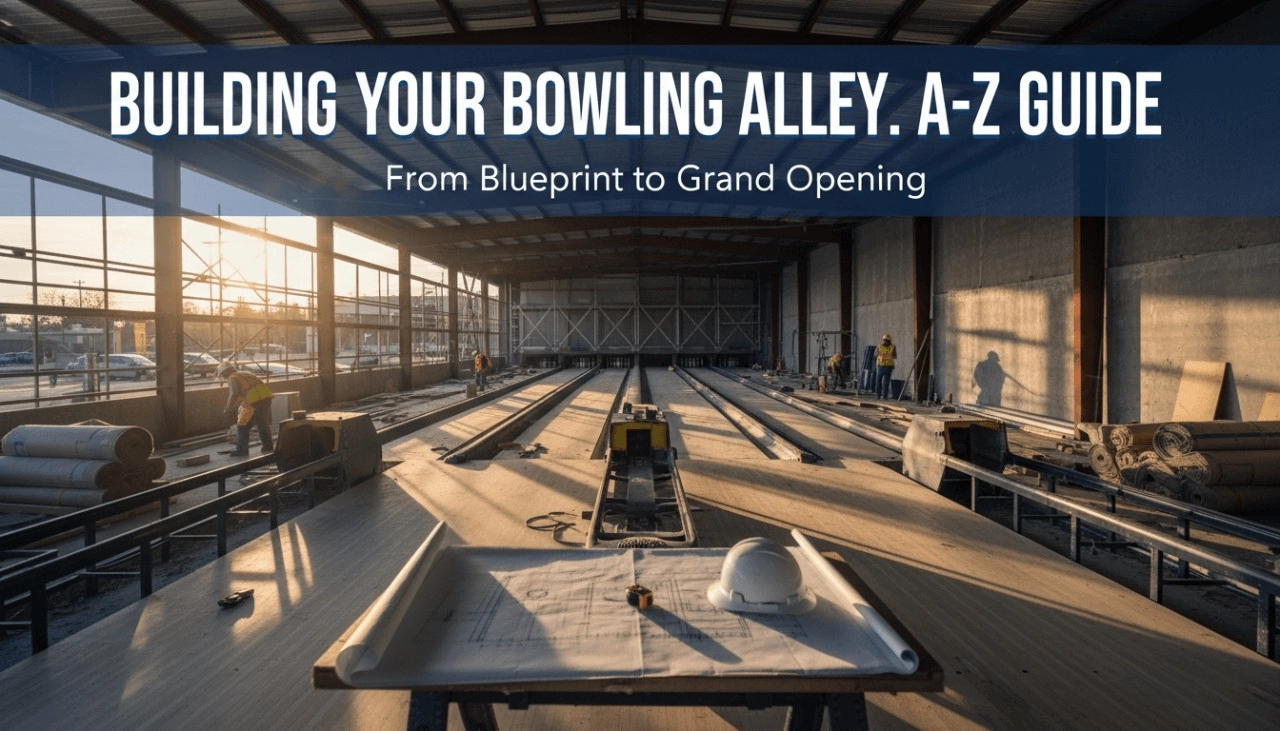
This phase involves converting your concept into architectural blueprints. It involves optimizing the flow of the venue and ensuring all spatial requirements for the selected lane type are met. Flying Bowling leverages its decades of experience to assist with layout designs that maximize revenue per square foot.
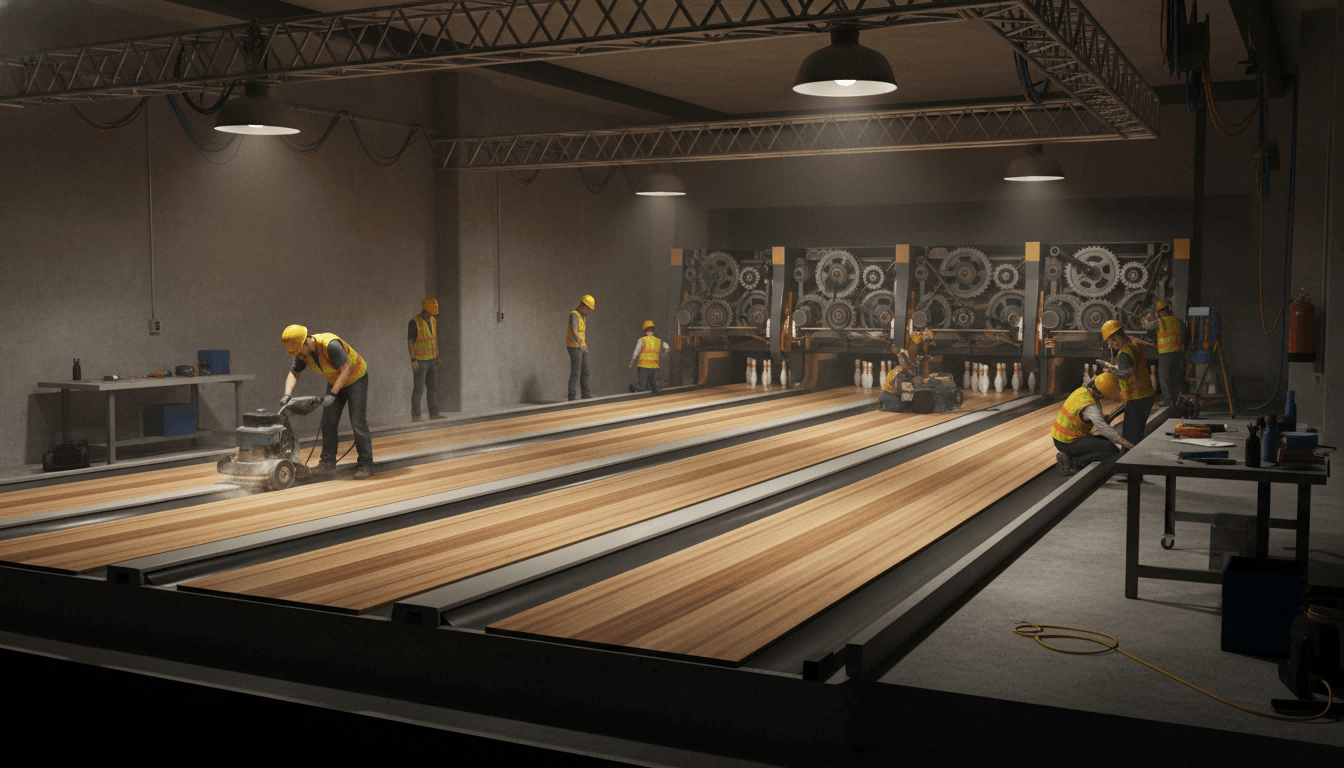
Site Preparation and Structural Work
Before equipment arrives, the site must be prepped. This includes pouring a level concrete foundation—critical for ball trajectory—and installing necessary electrical and HVAC infrastructure.
Equipment Installation
Precision is key. Installing lanes, pinsetters, and ball returns requires specialized technicians. Flying Bowling provides comprehensive installation services, ensuring that the string pinsetters and lanes are aligned to the millimeter for fair play.
Finishing Touches and Inspection
The final phase brings the alley to life with interior decor, intelligent lighting systems, and soundproofing. A rigorous inspection ensures all safety standards are met before opening.
Choosing the Right Partner: Why Flying Bowling is Your Ideal Choice
Selecting a bowling alley equipment supplier is a strategic decision. Flying Bowling stands out as a global leader for several reasons:
· Experience & Expertise: Specializing in the R&D of string pinsetters and ball return machines since 2005.
· Global Track Record: Successfully built ideal bowling alleys for over 3,000 customers worldwide.
· Diverse Product Line: From Standard (FCSB) to Mini (FCMB) and Duckpin (FSDB), they cater to every spatial requirement.
· One-Stop Service: They offer a turnkey solution that covers design, manufacturing, and construction services.
· Unbeatable Value: Their commitment to providing top-tier quality at competitive prices helps faster ROI for business owners.
Permits, Regulations, and Long-Term Maintenance
Navigating Legalities
Building a bowling alley involves strict adherence to local building codes. You will need zoning approvals, electrical permits, and fire safety certifications. For commercial venues, liquor and food service licenses are also part of the bowling alley business plan.
Ensuring Longevity
Maintenance is the unsung hero of profitability.
· Routine Checks: Lanes need daily oiling and cleaning.
· Equipment Care: While string pinsetters significantly reduce maintenance needs, regular visual inspections are still necessary.
· Support: Partnering with a supplier like Flying Bowling ensures access to spare parts and technical support, vital for minimizing downtime.
Conclusion: Building Your Bowling Legacy
Whether you are constructing a high-energy commercial center or a private sanctuary for family fun, building a bowling alley is a journey that blends engineering precision with creative vision. By understanding the critical aspects of bowling alley construction cost, spatial design, and equipment selection, you set the foundation for success.
The industry is evolving, and with innovations like string pinsetters and compact duckpin bowling alley formats, there has never been a better time to invest. With a reliable partner like Flying Bowling, you gain the advantage of expert guidance, superior equipment, and global experience. Contact Flying Bowling today to customize your solution and turn your bowling ambition into a striking reality.
FAQ
How much does it typically cost to build a commercial bowling alley?
The cost varies significantly based on size and amenities, typically ranging from $2 million to over $8 million. On a per-lane basis, investors should budget approximately $80,000 for a fully equipped commercial lane, including shared infrastructure.
What are the essential space requirements for a standard ten-pin bowling lane?
A standard ten-pin lane requires a total length of approximately 87 feet (including the approach, playing lane, and pinsetter area). The width is roughly 11.5 to 12 feet per pair of lanes, with a recommended ceiling height of at least 10 feet.
Is it feasible to build a bowling alley in a private residence?
Yes, it is entirely feasible. While a standard lane requires about 100 feet of clearance, homeowners with limited space can opt for Duckpin Bowling or Mini Bowling (offered by Flying Bowling), which can fit into spaces as short as 30-45 feet.
What is the difference between string pinsetters and traditional free-fall pinsetters?
String pinsetters use durable cords to reset pins, making them up to 80% more energy-efficient and significantly easier to maintain than complex free-fall machines. They have fewer moving parts, reducing the need for specialized mechanics.
How long does the construction process usually take for a new bowling alley?
Timelines vary by scale. A home bowling alley might take 3 to 6 months to install once the room is ready. A large commercial facility typically requires 12 to 18 months, accounting for design, permitting, and construction.
Do I need special permits and licenses to build a bowling alley?
Yes. You will need standard building and electrical permits. Commercial venues will additionally require business licenses, health permits for food service, and potentially liquor licenses depending on the business model.
What types of bowling alley equipment and services does Flying Bowling offer?
Flying Bowling offers a comprehensive range of equipment, including Standard (FCSB), Medium (FSMB), Duckpin (FSDB), and Mini Bowling (FCMB) systems. They specialize in string pinsetters and ball returns, providing end-to-end design and construction services.
How can I choose the best equipment supplier for my bowling alley project?
Look for suppliers with a proven track record and comprehensive support. Flying Bowling, for instance, has served over 3,000 customers since 2005, offering high-quality equipment comparable to Western brands at competitive prices, along with design and installation support.
References
· Flying Bowling: How Much Does a Bowling Alley Lane Cost 2025-2026
· Market Research Future: Bowling Center Market Size & Share Report 2035
· HomeGuide: How Much Does a Home Bowling Alley Cost?
· Technavio: Bowling Centers Market Size to Grow by USD 3.37 Billion
· Flying Bowling: Understanding Ten Pin Bowling Alley Dimensions

Quality Bowling
Service
How to complain if you are not satisfied with the after-sales service?
You can directly contact the Global Service Director (email: mike@flyingbowling.com/phone: 0086 18011785867), and we promise to issue a solution within 24 hours.
Do you provide regular maintenance services?
You can sign an annual maintenance agreement, which includes quarterly inspections, lubrication maintenance, system upgrades and other services.
Technology
Are your products compliant with European safety standards?
Yes, all of our products meet the required EU safety and regulatory standards.
Installations
Do you provide technical support after the installation?
Absolutely. We offer ongoing technical support, including regular maintenance and emergency repair services.
Customer care
My room is only about 50 or 60 feet long. How short is too short" for bowling lanes?
That depends on what each person likes. It's like asking how low we can put a basketball goal so that it's still fun. If your bowlers are mostly kids or people who haven't bowled much, they might not mind extremely short lanes. But serious league and tournament bowlers won't like a lane that isn't the normal size.
You May Also Like
Flying Smart Duckpin Bowling
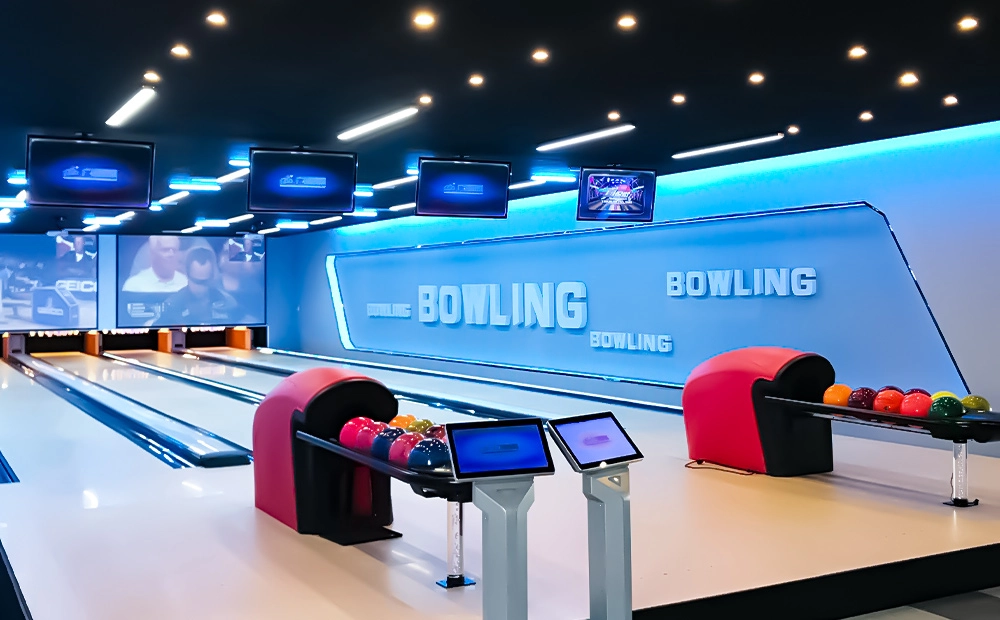
The innovative design of Flying Smart Duckpin Bowling (FSDB) makes it perfect for places like bars, billiard halls, and game centers. It makes people want to come back more often and spend more money. FSDB is fun and competitive, so it will become a new focus for social activities.
Flying Classic Standard Bowling
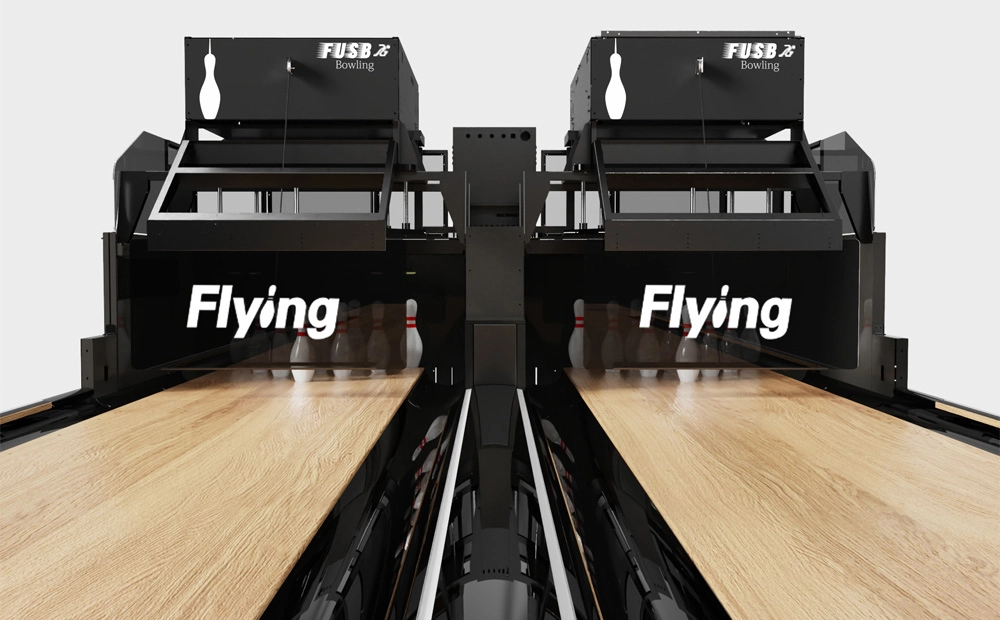
Flying Classic Standard Bowling (FCSB) employs the World Standard Competition Scoring System to deliver a more professional bowling experience, enabling bowlers to enjoy a professional-standard match at their convenience.
Flying Ultra Standard Bowling
Flying Ultra Standard Bowling (FUSB) Upgraded Version
The string pinsetter uses the latest technology. It offers a more enjoyable bowling experience thanks to its innovative designs and modern technology.

Get in touch
Contact us
If you contact us now for more details, we can provide you with a custom bowling alley service.
Our service team will get back to you within 24 hours, normally!



Professional Bowling Alley Equipment Manufacturer, a one-stop solution provider for bowling alleys.
Facebook
YouTube
Linkedin
Twitter