














The Ultimate Buyer's Guide: Finding the Best Bowling Alley Equipment for Sale
This authoritative guide details the complete buyer's journey for bowling alley equipment, covering market trends, technical specifications (USBC), cost breakdowns for new and used setups, and sourcing strategies. It compares traditional free-fall pinsetters with modern string technology and provides actionable advice on installation, ROI, and maintenance.
- Introduction: Your Guide to Acquiring Top-Tier Bowling Alley Equipment
- Understanding Essential Bowling Alley Equipment Components
- Bowling Lanes: Synthetic vs. Wooden
- Pinsetters: String vs. Free-fall Systems
- Scoring Systems
- Ball Returns & Ancillary Equipment
- New vs. Used Bowling Equipment: Weighing Your Options
- The Case for New Equipment
- The Case for Used Equipment
- Where to Find Bowling Alley Equipment for Sale: Your Sourcing Hub
- Critical Factors to Consider Before Making a Purchase
- Budget & Financing
- Space & Layout
- Condition & Inspection (For Used Gear)
- Cost Breakdown: A Transparent Look at Bowling Equipment Pricing
- Installation, Permits, and Post-Purchase Best Practices
- Professional Installation is Mandatory
- Permits & Zoning
- Maintenance Routine
- Conclusion: Your Path to a High-Performing Bowling Center
- Frequently Asked Questions
- How much does bowling alley equipment typically cost?
- What's the difference between new and used bowling equipment?
- Where can I find reputable sellers for bowling alley equipment?
- What are the essential pieces of equipment needed for a commercial alley?
- Are there financing options available for bowling equipment?
- How often does bowling alley equipment need maintenance?
- Can I install bowling equipment myself, or do I need professionals?
- What should I look for when inspecting used bowling alley equipment?
- References
Introduction: Your Guide to Acquiring Top-Tier Bowling Alley Equipment
The bowling industry is experiencing a dynamic resurgence, evolving from traditional leagues to high-end "competitive socializing" hubs and Family Entertainment Centers (FECs). According to a 2024 analysis by Market Research Future, the bowling center market is valued at nearly $4 billion and is projected to grow steadily through 2035. For investors, entrepreneurs, and homeowners, this growth signals a prime opportunity to invest in high-quality bowling infrastructure.
However, navigating the procurement process requires more than just browsing listings. It demands a deep understanding of technical specifications, total cost of ownership (TCO), and the logistical complexities of installation. Whether you are retrofitting a commercial center or designing a luxury home amenity, acquiring the right equipment is the foundational step toward operational success and long-term profitability.
Understanding Essential Bowling Alley Equipment Components
To make an informed purchase, buyers must understand the technical nuances of the hardware. The United States Bowling Congress (USBC) sets strict specifications that every reputable supplier should meet.
Bowling Lanes: Synthetic vs. Wooden
Modern commercial installations predominantly use synthetic lanes (phenolic laminates) due to their durability and lower maintenance compared to traditional wood. According to USBC regulations, a regulation lane must be exactly 41.5 inches wide, with the distance from the foul line to the head pin center measuring 60 feet (plus or minus 1/2 inch). The total length required, including the approach and pin deck, is typically around 87-88 feet.
Pinsetters: String vs. Free-fall Systems
The choice between string and free-fall pinsetters is currently the most critical decision for buyers.
· Free-fall Systems: The traditional choice for sanctioned competitive play, offering the classic acoustic experience.
· String Pinsetters: These systems use cords to reset pins. According to Oasis Bowling Parts, string pinsetters can reduce energy consumption by approximately 40% and lower maintenance costs by 30-40% due to having significantly fewer moving parts compared to complex free-fall machines.
Scoring Systems
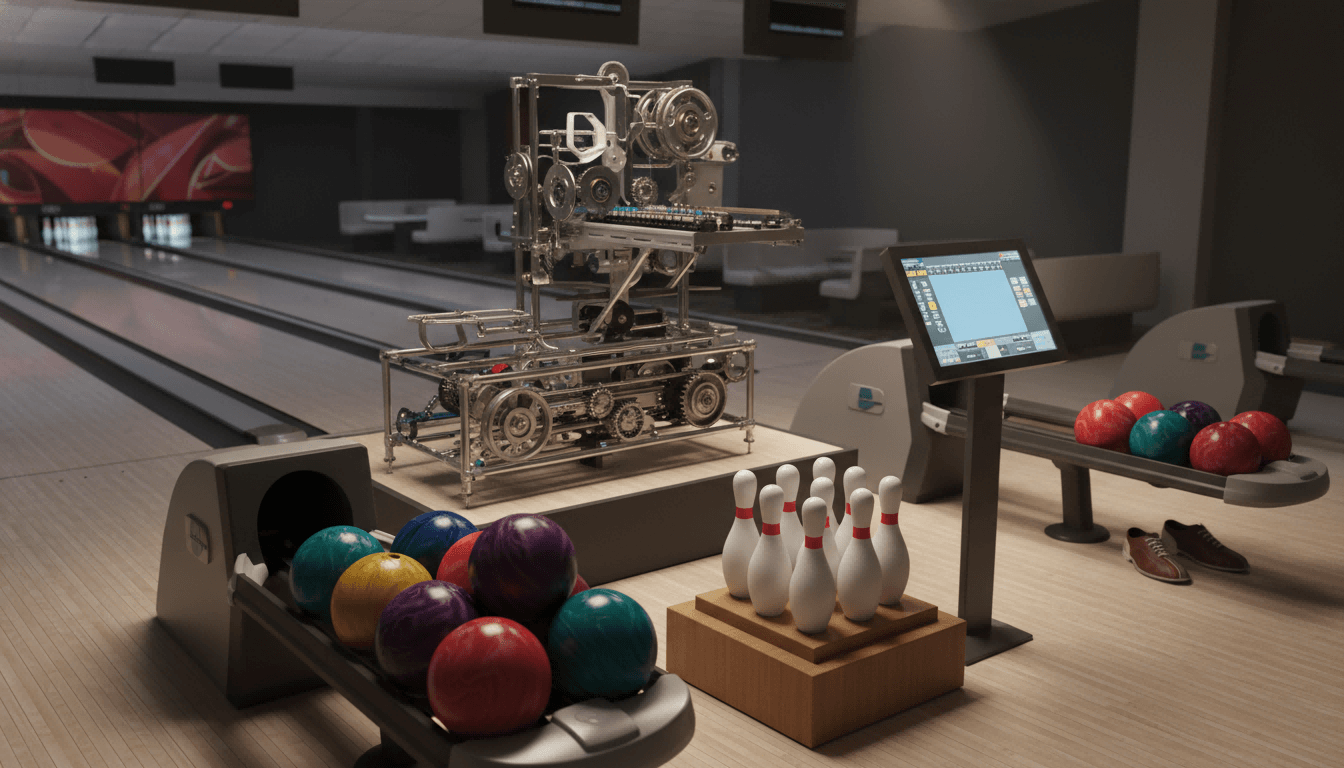
Modern scoring is no longer just about numbers; it is an engagement tool. Leading manufacturers like QubicaAMF and Brunswick now offer systems that integrate augmented reality (AR) directly onto the lanes, transforming the wood grain into an interactive video game surface. This tech integration is a key driver in the "entertainment bowling" sector.
Ball Returns & Ancillary Equipment
Efficient ball return systems (both under-lane and above-ground) are vital for game flow. Additionally, buyers must budget for "back-of-house" necessities, including lane machines for oil patterns, rental shoes, and balls of varying weights (6lbs to 16lbs).
New vs. Used Bowling Equipment: Weighing Your Options
The Case for New Equipment
Investing in brand-new equipment guarantees adherence to the latest USBC tolerance standards—specifically the critical 40/1000-inch tolerance for crosswise tilt. New packages often include warranties (typically 1-5 years), professional installation, and modern features like automated bumper systems for children. While the initial capital outlay is higher—typically $25,000 to $45,000 per lane for equipment alone, according to Flying Bowling—the long-term reliability often offsets these costs.
The Case for Used Equipment
The secondary market offers substantial savings, often 30-70% below retail prices. This is a viable path for budget-conscious centers or residential projects. However, buyers must be wary of "as-is" liquidations. Used pinsetters often require immediate refurbishment, and synthetic lane panels may have wear patterns that affect ball trajectory. If buying used, hiring a third-party inspector to verify the condition of the pinsetter chassis and lane substructure is non-negotiable.
Where to Find Bowling Alley Equipment for Sale: Your Sourcing Hub
· Authorized Dealers (Brunswick, QubicaAMF): The safest route for new commercial projects. They offer turnkey solutions that include design, shipping, and installation.
· Specialized Used Equipment Brokers: Companies like BowlingDigital or specialized brokers curate inventory from closed centers. They often refurbish equipment before sale, bridging the gap between "new" and "salvage."
· Auctions & Liquidations: Platforms like eBay or industrial auction sites frequently list assets from foreclosed centers. While prices are low, buyers must handle dismantling and shipping, which can be logistically nightmares without professional help.
· Direct Negotiation: Contacting closing alleys directly can yield bulk deals. However, ensure you have a skilled crew to dismantle the lanes without damaging the delicate tongue-and-groove substructures.
Critical Factors to Consider Before Making a Purchase
Budget & Financing
Commercial loans and SBA financing are common for bowling centers. Suppliers often offer leasing programs for high-cost items like pinsetters and scoring systems to preserve working capital.
Space & Layout
Space is a hard constraint. A standard regulation lane requires a length of roughly 88 feet. If space is limited, "Duckpin" or "Mini Bowling" (requiring roughly 30-40 feet) are excellent alternatives that yield high revenue per square foot.
Condition & Inspection (For Used Gear)
When inspecting used pinsetters, check the wear on the cycling gears and the condition of the electronics. For lanes, use a level to check for depressions; USBC standards do not tolerate depressions deeper than 1/4 inch in the approach area.
Cost Breakdown: A Transparent Look at Bowling Equipment Pricing
According to 2024-2025 industry data from sources like HomeGuide and Flying Bowling, here is what buyers can expect to pay:
· Full Commercial Build (Per Lane): Approximately $80,000 per lane (inclusive of construction, furniture, and technology).
· Equipment Only (New): $25,000 – $45,000 per lane.
· Home Bowling Alley (Turnkey): A single-lane residential setup typically ranges from $75,000 to $100,000 due to custom installation logistics.
· String Pinsetters: Generally 20-40% cheaper upfront than free-fall equivalents.
Total Cost of Ownership (TCO): Buyers must factor in energy costs and mechanic salaries. String pinsetters can significantly lower TCO by eliminating the need for a dedicated, highly specialized mechanic on-site at all times.
Installation, Permits, and Post-Purchase Best Practices
Professional Installation is Mandatory
Bowling lane installation is a precision trade. The surface must be level within a fraction of an inch (40/1000" tolerance). Improper installation leads to "dead wood" (poor pin action) and can void manufacturer warranties.
Permits & Zoning
Commercial centers require specific zoning permits, particularly for noise control and fire safety. Home installations may require structural reinforcement of the foundation to handle the weight of the pinsetters (approx. 2,000 lbs per pair).
Maintenance Routine
· Daily: Oil lanes using a lane machine to protect the surface and ensure fair play.
· Weekly: Clean pinsetter sensors and check string tension (if applicable).
· Annual: Deep clean and re-calibration of the scoring cameras.
Conclusion: Your Path to a High-Performing Bowling Center
Whether you are building a commercial entertainment empire or a private sanctuary, the quality of your equipment dictates the quality of the experience. By prioritizing USBC-compliant hardware, accurately forecasting Total Cost of Ownership, and choosing the right sourcing channel for your budget, you can ensure a high Return on Investment. As the industry grows towards a $5.5 billion valuation by 2035, now is the strategic time to invest in top-tier bowling infrastructure.
Frequently Asked Questions
How much does bowling alley equipment typically cost?
Costs vary by scope. A single turnkey home lane typically costs between $75,000 and $100,000. For commercial centers, budgeting roughly $80,000 per lane for the full build-out (construction + equipment) is standard, with the equipment package alone costing $25,000 to $45,000 per lane.
What's the difference between new and used bowling equipment?
New equipment ensures USBC compliance, comes with warranties, and features modern tech like AR scoring. Used equipment is significantly cheaper (30-70% savings) but carries risks regarding condition, lack of warranty, and potential hidden costs in refurbishment and shipping.
Where can I find reputable sellers for bowling alley equipment?
Major manufacturers like Brunswick and QubicaAMF sell directly or through authorized distributors. For used gear, reputable brokers and dedicated industry liquidation sites are safer bets than general marketplaces like eBay, as they often offer inspection reports.
What are the essential pieces of equipment needed for a commercial alley?
The core list includes: Lanes (synthetic or wood), Pinsetters (string or free-fall), Ball Return System, Scoring System (monitors and computers), Pins, Balls, Shoes, and a Lane Machine for oiling.
Are there financing options available for bowling equipment?
Yes. Most major manufacturers offer leasing or financing programs. Additionally, commercial banks and the SBA (Small Business Administration) view bowling centers as viable businesses for equipment loans.
How often does bowling alley equipment need maintenance?
Lanes should be oiled daily in commercial settings. Pinsetters require daily visual checks and weekly preventive maintenance. String pinsetters significantly reduce this burden compared to complex free-fall mechanical systems.
Can I install bowling equipment myself, or do I need professionals?
Professional installation is virtually mandatory. The tolerance for lane level is extremely tight (40/1000ths of an inch). Amateur installation often results in poor ball roll, frequent breakdowns, and voided warranties.
What should I look for when inspecting used bowling alley equipment?
Focus on the pinsetters and lane surfaces. Look for rust or metal fatigue in the pinsetter chassis. For lanes, check for deep scratches or warping. Ensure the scoring system computer hardware is not obsolete and can still run modern software.
References
· Market Research Future - Bowling Center Market Size & Trends
· IBISWorld - Bowling Centers in the US Industry Analysis
· FlyingBowling - Bowling Alley Installation Costs Guide 2025
· HomeGuide - Home Bowling Alley Costs
· Bowlingball.com - USBC Lane Specifications
· United States Bowling Congress (USBC) - Equipment Specifications
Quality Bowling
Products
Are environmentally friendly materials used?
All wood products are USBC certified, the paint complies with EU REACH standards, and environmental testing reports are provided
What material is used for the bowling lane? How long is its lifespan?
It is made of high-strength maple wood + synthetic composite material, and has been treated with anti-corrosion. Under normal use, its lifespan exceeds 15 years.
Installations
Was the equipment installed by professional technicians?
The installation team we dispatched is composed of professional technicians who have undergone rigorous assessment and training and have rich experience in bowling equipment installation. The team uses digital debugging tools throughout the process to ensure that each component of the equipment can be accurately installed and debugged to achieve optimal operating conditions.
Customer care
My room isn't quite long enough. Can you install slightly shorter lanes that are non-regulation length?
Of course, we can customize bowling lanes according to your venue.
Do I get a discount if my bowling lanes are shorter than standard length?
Shorter lanes require additional labor to cut and splice materials, which offsets any potential material savings. As a result, pricing remains the same regardless of lane length.
You May Also Like
Flying Smart Duckpin Bowling
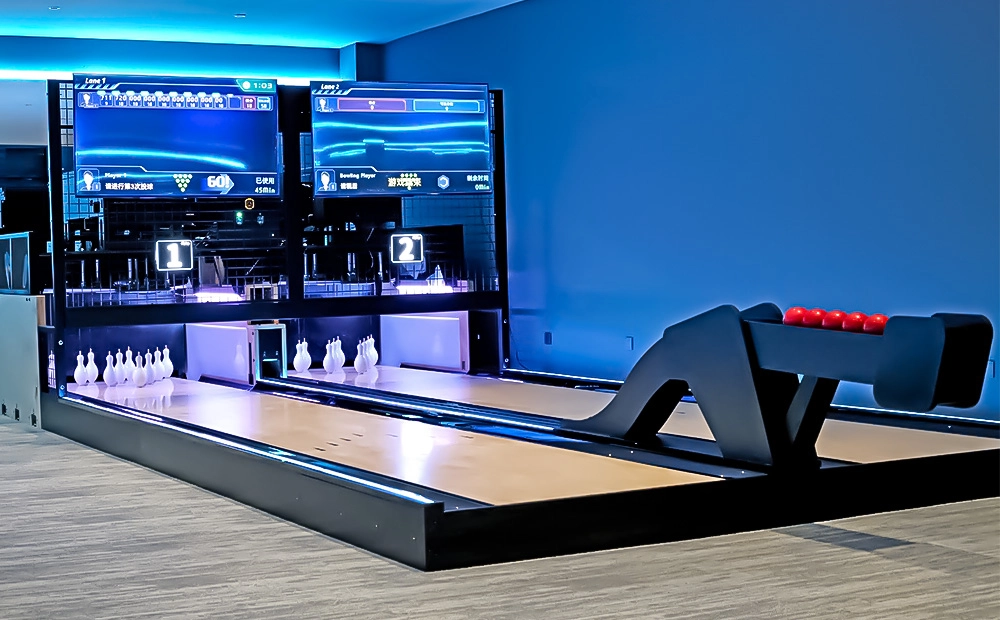
The innovative design of Flying Smart Duckpin Bowling (FSDB) makes it perfect for places like bars, billiard halls, and game centers. It makes people want to come back more often and spend more money. FSDB is fun and competitive, so it will become a new focus for social activities.
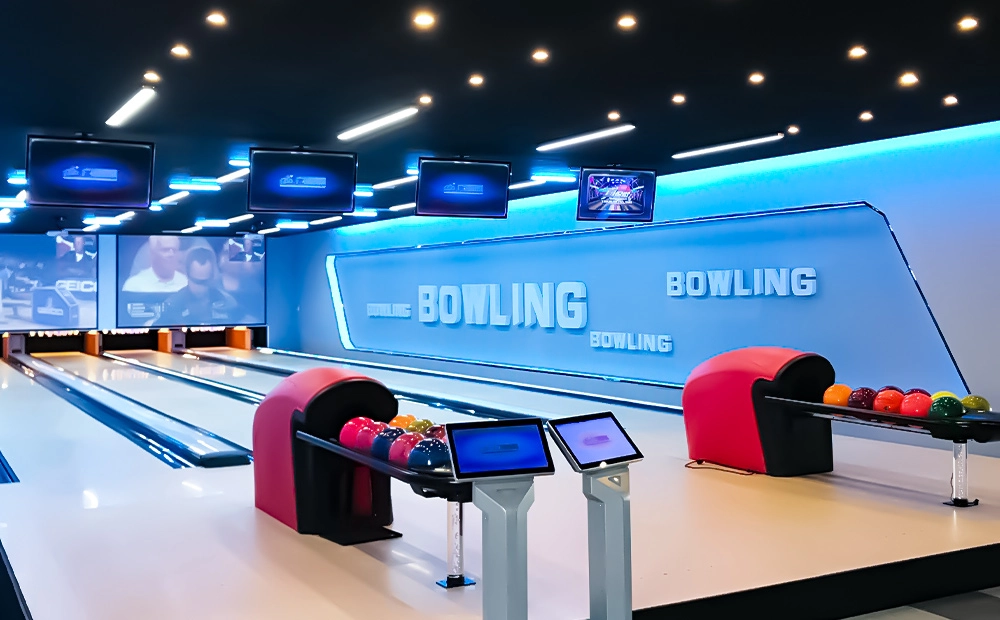
Flying Classic Standard Bowling
Flying Classic Standard Bowling (FCSB) employs the World Standard Competition Scoring System to deliver a more professional bowling experience, enabling bowlers to enjoy a professional-standard match at their convenience.
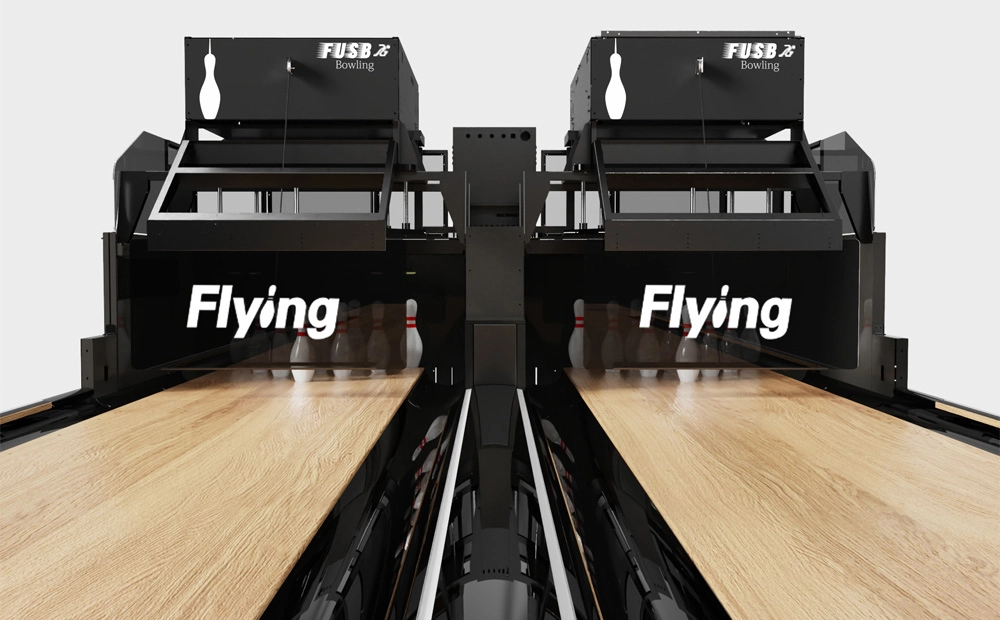
Flying Ultra Standard Bowling
Flying Ultra Standard Bowling (FUSB) Upgraded Version
The string pinsetter uses the latest technology. It offers a more enjoyable bowling experience thanks to its innovative designs and modern technology.

Get in touch
Contact us
If you contact us now for more details, we can provide you with a custom bowling alley service.
Our service team will get back to you within 24 hours, normally!



Professional Bowling Alley Equipment Manufacturer, a one-stop solution provider for bowling alleys.
Facebook
YouTube
Linkedin
Twitter