














Cost to Build a Bowling Alley: Home, Commercial & Expert Guide
Dreaming of your own bowling alley? This guide decodes the investment, from personal mini-alleys starting at $35,000 to multi-million dollar commercial centers. We break down costs for equipment like innovative string pinsetters from Flying Bowling, construction, land, and customization. Learn the financial factors influencing your project and discover why partnering with a comprehensive solutions provider like Flying Bowling, a leading manufacturer since 2005 with certified equipment and global support, is crucial for a high-quality, efficient build, whether it's a standard or duckpin alley.
- Your Dream Bowling Alley: What Will It Cost?
- Home Bowling Alley vs. Commercial Center: A Cost Comparison
- Breaking Down the Costs: Key Factors Influencing Your Investment
- Equipment Costs: The Heart of Your Bowling Alley
- Construction and Installation Expenses
- Location, Land, and Permits
- Customization, Features, and Aesthetics
- Estimated Costs by Project Type
- Why Choose Flying Bowling for Your Project
- Planning Ahead: Tips for a Successful Bowling Alley Build
- Conclusion: Your Investment in Fun and Profit
- FAQ
- How much does a home bowling alley typically cost?
- What is the average cost to build a commercial bowling alley?
- What are the biggest cost drivers for a bowling alley project?
- How much does a single bowling lane cost to install?
- What is the difference between string pinsetters and free-fall pinsetters in terms of cost and benefits?
- How much space is required for a bowling alley?
Your Dream Bowling Alley: What Will It Cost?
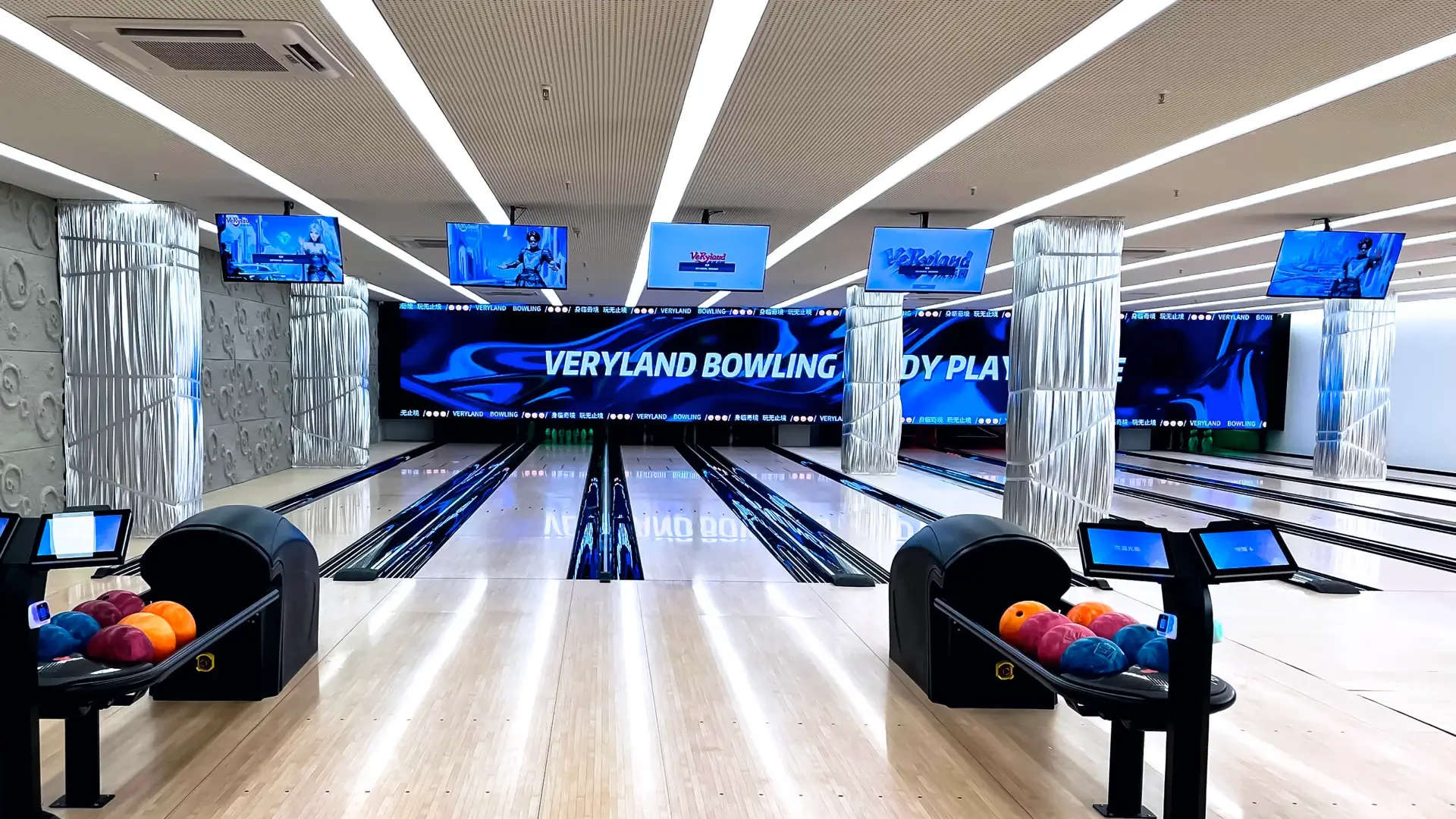
The allure of owning a bowling alley, whether for personal luxury in your home or as a profitable commercial entertainment venture, is undeniable. However, the first question that often arises is: "What will it cost?" Understanding that the investment varies significantly based on scale, features, and location is crucial. Fortunately, with a comprehensive partner like Flying Bowling, you can navigate these complexities with ease. Since 2005, Flying Bowling has been at the forefront of researching and developing the latest and most advanced bowling equipment, offering everything from cutting-edge string pinsetters to full design and construction services, making your dream a tangible reality.
Home Bowling Alley vs. Commercial Center: A Cost Comparison
The most significant factor influencing your bowling alley budget is its intended purpose. There's a vast difference in scope and financial commitment between a private personal bowling facility and a public commercial bowling center.
· Home Bowling Alley: These personal havens typically range from $35,000 for a compact mini-alley to $195,000 for a multi-lane, fully customized traditional setup. The cost here is driven by the number of lanes, desired features, and level of bespoke design.
· Commercial Bowling Center: Investments for multi-lane public facilities can range from $1 million to over $8 million, depending on the size, location, and amenities offered. These projects often involve extensive infrastructure and operational considerations. Flying Bowling has expertise in building and modernizing both types of facilities, ensuring your project meets specific requirements.
Factors like the number of lanes, desired features (e.g., scoring systems, lighting), and operational intent are key in defining which cost segment your project falls into.
Breaking Down the Costs: Key Factors Influencing Your Investment
To get a clearer picture of the overall investment, it’s essential to dissect the various components that contribute to the bowling alley construction cost.
Equipment Costs: The Heart of Your Bowling Alley
Bowling equipment cost forms a significant portion of the total investment.
· Pinsetters: The choice of pinsetter greatly impacts the bowling lane cost. String pinsetters typically cost $8,000 - $12,000 per lane. Flying Bowling has innovated in this space, breaking the monopoly on traditional pinsetter equipment by developing advanced, certified string pinsetters. These offer a cost-effective, innovative solution with lower maintenance. Traditional free-fall pinsetters, while common, are pricier, ranging from $15,000 - $35,000+ per lane.
· Bowling Ball Return Systems: Essential for smooth play, these components cost approximately $5,000 - $10,000 per lane. Flying Bowling proudly manufactures high-quality ball return systems in its own workshop.
· Scoring Systems: Modern digital displays and touchscreen consoles enhance the player experience. Flying Bowling offers advanced bowling scoring systems that integrate seamlessly with the overall design.
· Lanes: The cost of lanes is influenced by materials (durable synthetic or classic wood) and installation complexity.
· Ancillary Equipment: Don't forget bowling balls, shoes, lane conditioning machines, and other essential accessories.
At Flying Bowling's 10,000-square-meter workshop, we ensure top-tier manufacturing of all core bowling equipment, including string pinsetters, ball return systems, and scoring systems, all certified by major global organizations like CE and RoHS.
Construction and Installation Expenses
Beyond the equipment, the physical construction of your bowling alley involves several substantial expenses:
· Site Preparation: This includes foundation work, utility hookups, and any necessary structural modifications to the building.
· Building Materials: Costs for masonry, concrete, lumber, metal, drywall, and interior finishes can vary widely based on quality and design.
· Labor Costs: Wages for skilled technicians, construction workers, and specialized installers are a major factor.
· Design and Architectural Fees: Crucial for optimal layout, aesthetics, and functionality. Flying Bowling provides comprehensive design services to ensure your vision is perfectly translated into a functional and attractive space.
· Specific requirements for standard 10-pin vs. duckpin bowling alleys: Flying Bowling has extensive expertise in building and modernizing both types, ensuring all structural and equipment specifications are met.
Location, Land, and Permits
· Land Acquisition: For commercial projects, purchasing land can be a significant cost component, potentially $500,000 - $2,000,000, especially in urban or high-demand areas.
· Geographical Variations: Construction and material costs fluctuate widely by city, region, and country (e.g., costs in the US versus the UK will differ).
· Permits and Regulations: Local zoning laws, building codes, and safety inspections add to the overall expense and timeline.
Customization, Features, and Aesthetics
To create a truly engaging environment, consider these additions:
· Lighting and Audiovisual Systems: Enhancing ambiance with media mask projection screens and dynamic LED lighting significantly upgrades the experience.
· Seating and Lounge Areas: Furnishings, bar/food service setups, and entertainment zones are crucial for commercial centers.
· Theming and Interior Design: Creating a unique and immersive experience tailored to your vision sets your alley apart. Flying Bowling offers design services to help bring your unique theme to life.
· Automatic Lane Conditioning Machines: Essential for optimal lane maintenance and player satisfaction, ensuring consistent game quality.
Estimated Costs by Project Type
Let's look at some ballpark figures for different project types, incorporating bowling center investment considerations.
· Single-Lane Home Bowling Alley Cost: Typically ranges from $75,000 to $100,000 for a traditional 10-pin setup, or $35,000 to $90,000 for a mini-home bowling alley. A standard 10-pin lane, including approach and seating, requires approximately 88-100 feet in length.
· Two-Lane Home Bowling Alley Cost: Generally falls between $110,000 and $195,000, depending on equipment quality and customization options.
· Commercial Bowling Center (e.g., 12-Lane) Cost: A 12-lane facility can cost $1 million to $4 million+. Equipment alone for such a facility might range from $120,000 to $300,000, with construction (shell) from $100,000 to $350,000. The Bowling Proprietors Association of America (BPAA) suggests an average cost of around $4.5 million for a modern commercial bowling center.
Remember to budget for long-term operational costs, which can range from $10,000 to $20,000 monthly for commercial centers, covering utilities, staff, maintenance, and supplies.
Why Choose Flying Bowling for Your Project
When undertaking such a significant investment, choosing the right partner is paramount. Flying Bowling stands out as a premier choice for several reasons:
· Innovation & Quality Leader: Since 2005, Flying Bowling has been at the forefront of researching and developing the latest and most advanced bowling equipment. We pride ourselves on having broken the monopoly on traditional pinsetter equipment with our innovative string pinsetters, offering superior performance and reliability. All our equipment is rigorously tested and certified by major global organizations, including CE and RoHS.
· Comprehensive Solutions Provider: We offer an end-to-end solution for your bowling alley project. From manufacturing state-of-the-art equipment like string pinsetters, ball return systems, and advanced scoring systems, to providing complete design and construction services for both standard and duckpin bowling alleys, we handle every aspect.
· Global Reach with Localized Support: Flying Bowling sells over 2,000 lanes worldwide annually, demonstrating our global presence and trust. Our European Division provides a dedicated sales office, a permanent showroom for firsthand experience, and 24/7 technical support, ensuring customized solutions with the highest standards of quality and efficiency for our European customers.
· State-of-the-Art Manufacturing: Our commitment to quality is backed by our 10,000-square-meter workshop, dedicated to producing high-quality bowling equipment that ensures reliability, performance, and durability.
· A Wider Range of Options: By offering our innovative and high-quality products, we enrich the international market, providing our customers with a wider range of superior and efficient equipment choices.
Planning Ahead: Tips for a Successful Bowling Alley Build
Embarking on a bowling alley project requires careful planning. Here are some tips for a successful build:
· Clearly Define Your Vision: Determine if it's for home or commercial use, the desired number of lanes, and your target audience. This clarity will guide all subsequent decisions.
· Conduct Thorough Market Research: Understand local demand, potential competition, and regulatory requirements, especially for commercial ventures.
· Create a Detailed Budget: Account for initial construction and equipment costs, as well as ongoing operational expenses to avoid surprises.
· Prioritize Quality and Long-Term Value: Investing in durable, high-performance equipment from reputable manufacturers like Flying Bowling can significantly reduce future maintenance costs and ensure customer satisfaction.
· Partner with Experienced Professionals: Choose a solutions provider like Flying Bowling that offers expertise in both equipment manufacturing and comprehensive construction services for a seamless project execution from concept to completion.
Conclusion: Your Investment in Fun and Profit
Building a bowling alley, whether a private oasis or a bustling commercial hub, represents a significant investment with vast variations. The cost to build a bowling alley is primarily driven by key factors such as equipment (especially pinsetters and scoring systems), construction complexity, potential land costs, geographical location, and the level of customization desired. By understanding these critical elements and planning meticulously, you can bring your bowling alley dream to life.
Flying Bowling stands ready as your expert partner, providing innovative, certified equipment and end-to-end solutions. Our commitment to quality, backed by our state-of-the-art manufacturing and global support, ensures your project is built to the highest standards of quality and efficiency. Start your journey towards owning an exceptional bowling alley today by visiting FlyBowling.com.
FAQ
How much does a home bowling alley typically cost?
A home bowling alley can range from $35,000 for a mini-alley to $195,000 for a multi-lane, fully customized traditional setup. Factors like the number of lanes, equipment quality, and customization greatly influence the final price.
What is the average cost to build a commercial bowling alley?
The average cost to build a commercial bowling alley can range from $1 million to over $8 million, depending on size, location, and features. The Bowling Proprietors Association of America (BPAA) suggests an average cost of around $4.5 million for a modern center.
What are the biggest cost drivers for a bowling alley project?
The primary cost drivers include bowling equipment (pinsetters, lanes, scoring systems), construction (site preparation, materials, labor), land acquisition (for commercial projects), and the extent of customization and features. Location significantly impacts land and labor costs.
How much does a single bowling lane cost to install?
The cost for a single bowling lane component (excluding pinsetters and other major equipment) is approximately $20,000 to $25,460. When considering all associated equipment and installation, the cost per lane increases substantially.
What is the difference between string pinsetters and free-fall pinsetters in terms of cost and benefits?
String pinsetters are generally more cost-effective (approximately $8,000 - $12,000 per lane) and offer benefits like lower maintenance and energy consumption. Traditional free-fall pinsetters are typically pricier (approximately $15,000 - $35,000+ per lane) and have higher maintenance requirements. Flying Bowling specializes in advanced string pinsetters, providing an innovative and efficient solution.
How much space is required for a bowling alley?
A traditional 10-pin bowling lane requires approximately 88 feet in length from the foul line to the pin deck. For a comfortable setup including approach, seating, and common areas, a minimum of 100 feet in length is recommended. Width requirements depend on the number of lanes and any additional facilities like a pro shop or lounge areas.

Quality Bowling
Service
What are the free cases during the warranty period, and what are the cases that require additional charges?
Covering failures caused by material/workmanship defects, providing free labor and parts repairs; non-quality damage will be charged at cost, and a detailed quotation will be provided for confirmation before repair.
Do you provide regular maintenance services?
You can sign an annual maintenance agreement, which includes quarterly inspections, lubrication maintenance, system upgrades and other services.
Customer care
My room is only about 50 or 60 feet long. How short is too short" for bowling lanes?
That depends on what each person likes. It's like asking how low we can put a basketball goal so that it's still fun. If your bowlers are mostly kids or people who haven't bowled much, they might not mind extremely short lanes. But serious league and tournament bowlers won't like a lane that isn't the normal size.
My room isn't quite long enough. Can you install slightly shorter lanes that are non-regulation length?
Of course, we can customize bowling lanes according to your venue.
Products
Can I customize the bowling equipment to fit my venue's theme?
Yes, we offer fully customized solutions, including lane colors, scoring systems, and pinsetter designs to match your venue’s theme.
You May Also Like
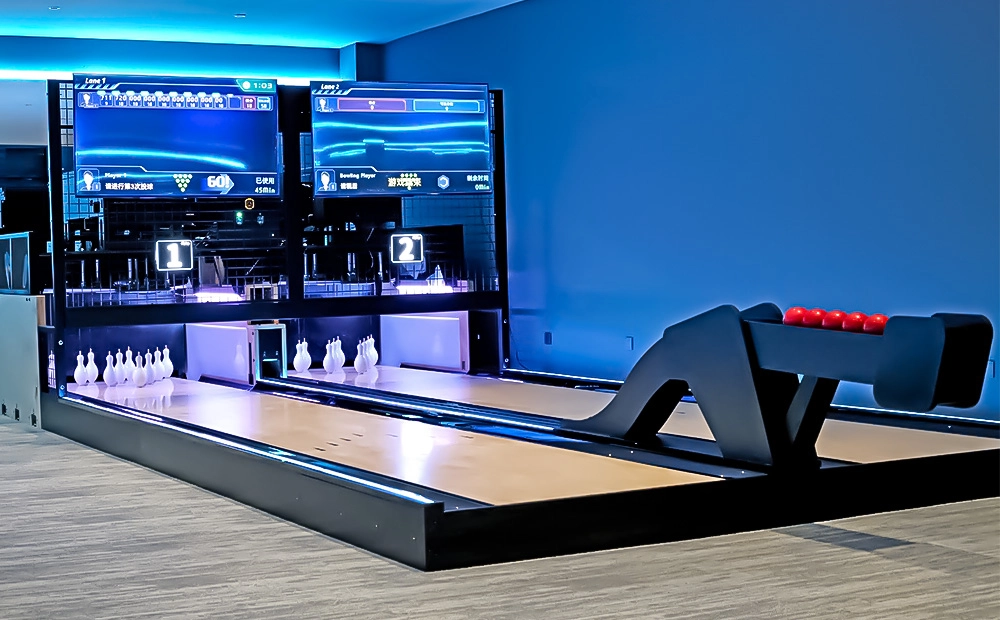
Flying Smart Duckpin Bowling
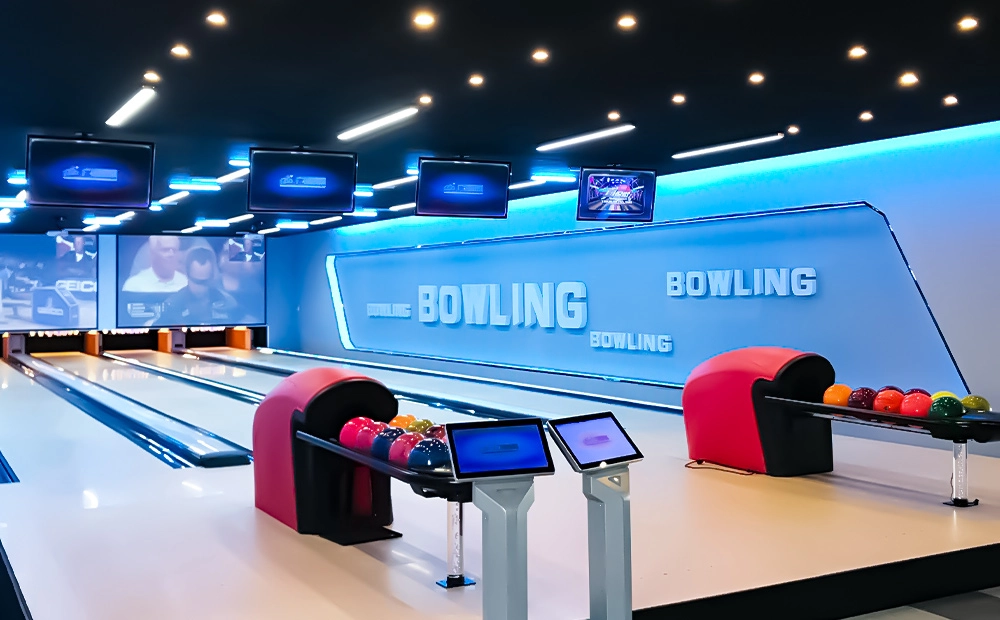
The innovative design of Flying Smart Duckpin Bowling (FSDB) makes it perfect for places like bars, billiard halls, and game centers. It makes people want to come back more often and spend more money. FSDB is fun and competitive, so it will become a new focus for social activities.
Flying Classic Standard Bowling
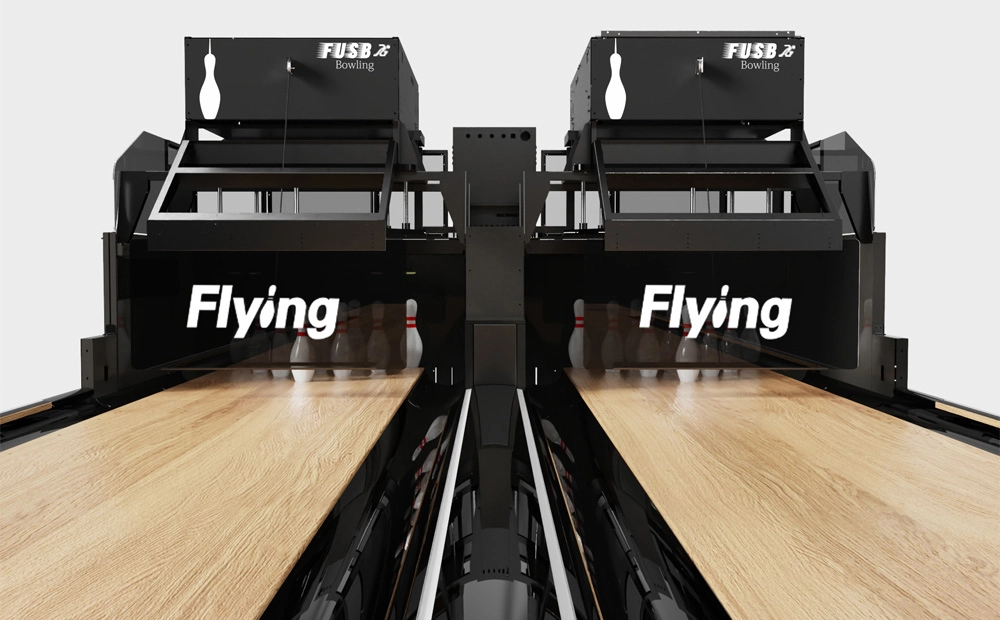
Flying Classic Standard Bowling (FCSB) employs the World Standard Competition Scoring System to deliver a more professional bowling experience, enabling bowlers to enjoy a professional-standard match at their convenience.
Flying Ultra Standard Bowling
Flying Ultra Standard Bowling (FUSB) Upgraded Version
The string pinsetter uses the latest technology. It offers a more enjoyable bowling experience thanks to its innovative designs and modern technology.

Get in touch
Contact us
If you contact us now for more details, we can provide you with a custom bowling alley service.
Our service team will get back to you within 24 hours, normally!



Professional Bowling Alley Equipment Manufacturer, a one-stop solution provider for bowling alleys.
Facebook
YouTube
Linkedin
Twitter