














Unveiling the Investment: How Much Does It Cost to Build a Bowling Alley in Algeria?
- Unveiling the Investment: How Much Does It Cost to Build a Bowling Alley in Algeria?
- Key Factors Influencing Bowling Alley Construction Costs in Algeria
- Land Acquisition and Location Considerations
- Building Construction or Renovation Costs
- Bowling Equipment Costs: Pinsetters, Lanes, and More
- Ancillary Facilities and Entertainment Options
- Operational Costs and Return on Investment
- Navigating Regulations and Permits in Algeria
- Choosing the Right Partner: Flying Bowling's Expertise
- Financing Your Bowling Alley Project
- Conclusion
- Frequently Asked Questions About Building a Bowling Alley in Algeria
Unveiling the Investment: How Much Does It Cost to Build a Bowling Alley in Algeria?
Building a modern bowling alley is an exciting venture, offering a vibrant entertainment hub for communities. In Algeria, with its growing economy and increasing demand for leisure activities, investing in a state-of-the-art bowling facility presents a significant opportunity. However, understanding the financial commitment involved is crucial for any potential investor. This comprehensive guide will break down the key cost components, from land acquisition and construction to specialized bowling equipment and operational expenses, providing a realistic picture of what it takes to bring a world-class bowling experience to Algeria. As Flying Bowling, a leading manufacturer and provider of High Quality bowling equipment and full-service solutions since 2005, we possess the expertise to guide you through every step of this complex process, ensuring your investment is well-placed and your project a resounding success.Key Factors Influencing Bowling Alley Construction Costs in Algeria
The total cost to build a bowling alley in Algeria is not a fixed figure but rather a dynamic sum influenced by several critical factors. These include the size and number of lanes, the quality and type of bowling equipment chosen, the extent of ancillary facilities (such as arcades, restaurants, or pro shops), the location within Algeria, and whether you are constructing a new building or renovating an existing structure. Labor costs, material availability, and import duties specific to Algeria will also play a significant role. A small, basic 8-lane center will naturally cost significantly less than a sprawling 24-lane entertainment complex with multiple attractions. Understanding these variables is the first step in creating an accurate budget for your how much does it cost to build a bowling alley in Algeria project.Land Acquisition and Location Considerations
The foundational cost of any construction project begins with land. In Algeria, land prices vary dramatically between urban centers like Algiers, Oran, or Constantine, and suburban or rural areas. Prime commercial locations will command higher prices, whether purchased outright or leased. The accessibility of the site, proximity to target demographics, and local zoning laws are paramount. For instance, securing a plot in a high-traffic retail zone or near residential areas with disposable income will naturally increase initial land costs but could promise higher revenue potential. If you opt to lease a property, consider long-term lease agreements with favorable terms to ensure stability. Alternatively, renovating an existing commercial building can bypass land acquisition costs but introduces potential demolition and structural modification expenses. It's vital to conduct thorough due diligence on any potential site, factoring in utility access, parking requirements, and local development plans, which all contribute to the overall cost to build a bowling alley in Algeria.Building Construction or Renovation Costs
Once the land is secured, the next major expenditure involves the building itself. If constructing a new facility from the ground up, costs will encompass architectural design, engineering, foundations, structural work, roofing, exterior finishes, and all interior fit-outs. These can range widely based on materials (concrete, steel, glass), design complexity, and local construction labor rates in Algeria. For a medium-sized bowling alley (12-16 lanes), new construction could easily range from $500 to $1,500 per square meter, excluding the specialized bowling equipment. Renovation, while potentially cheaper upfront, requires careful assessment of the existing structure's integrity, necessary upgrades to electrical and HVAC systems to support a bowling operation, and aesthetic overhauls to create an appealing environment. Factors like soundproofing, insulation, and the installation of specific flooring for the approach areas and concourses also contribute to the overall building costs. Seeking a reputable local contractor with experience in commercial builds is essential for managing these significant expenses.Bowling Equipment Costs: Pinsetters, Lanes, and More
The heart of any bowling alley is its equipment, and this represents a substantial portion of the investment. Flying Bowling specializes in providing top-tier, CE and RoHS certified bowling equipment, including our advanced string pinsetters, which are renowned for their reliability, ease of maintenance, and energy efficiency. While traditional free-fall pinsetters are available, our string pinsetters offer a compelling cost-saving advantage over the long term, both in purchase price and ongoing operational expenses. A single lane setup, encompassing the pinsetter, lane panels (synthetic or wood), scoring system, ball returns, and masking units, can range from $25,000 to $50,000 per lane, depending on the brand, features, and level of customization. For a 12-lane alley, this alone could be between $300,000 and $600,000. Beyond the core lane components, you'll need to budget for:- Bowling Balls and Shoes: A diverse inventory of various weights and sizes.
- Rental Desks and Pro Shops: Essential for equipment rental and sales.
- Seating and Furniture: Comfortable seating for bowlers and spectators.
- Arcade Games and Other Attractions: To diversify revenue streams.
- Point-of-Sale (POS) Systems: For efficient management of sales and services.
- Lane Maintenance Equipment: Such as lane oiling machines and cleaners.
Ancillary Facilities and Entertainment Options
To maximize profitability and attract a broader customer base, most modern bowling centers integrate various ancillary facilities. These additions significantly impact the cost to build a bowling alley in Algeria but also greatly enhance the customer experience and revenue potential. Common additions include:- Food and Beverage (F&B) Services: A snack bar, pizzeria, or full-service restaurant and bar can be major revenue generators. This involves kitchen equipment, dining area furniture, and inventory.
- Arcade and Redemption Centers: Popular among families and youth, requiring a diverse selection of arcade games and prize inventory.
- Party Rooms: Dedicated spaces for birthdays and corporate events.
- Laser Tag or Bumper Cars: For larger entertainment complexes, these add significant appeal and cost.
- Pro Shop: Selling bowling accessories, apparel, and custom drilling services.
Operational Costs and Return on Investment
Beyond the initial capital expenditure, understanding the ongoing operational costs is vital for long-term financial planning. These include:- Staffing: Wages for lane attendants, F&B staff, management, maintenance crew, and security.
- Utilities: Electricity (especially for pinsetters and lighting), water, and potentially gas. Energy-efficient equipment, like Flying Bowling's string pinsetters, can help mitigate these costs.
- Maintenance and Repairs: Regular upkeep of lanes, pinsetters, scoring systems, and general facility maintenance.
- Marketing and Advertising: Promoting your bowling alley to attract customers in Algeria.
- Insurance: Liability, property, and business interruption insurance.
- Inventory: Bowling balls, shoes, food and beverage supplies, and pro shop merchandise.
Navigating Regulations and Permits in Algeria
Any significant commercial construction project in Algeria requires navigating a complex landscape of local and national regulations, permits, and licenses. These include building permits, occupancy permits, health and safety certifications, fire safety approvals, and potentially specific entertainment licenses. Import duties and taxes on bowling equipment, which may vary, will also impact the overall cost to build a bowling alley in Algeria. It is highly recommended to engage with local legal counsel and business consultants early in the planning phase to ensure compliance and avoid costly delays. Understanding the lead times for permit approvals is crucial for your project timeline, and failing to secure necessary documentation can lead to significant financial penalties and project setbacks. Flying Bowling can provide guidance on equipment import requirements, but local regulatory navigation is best handled by Algerian experts.Choosing the Right Partner: Flying Bowling's Expertise
Embarking on a bowling alley project, especially in a new market like Algeria, necessitates partnering with an experienced and reliable supplier. Flying Bowling, with over 18 years of industry experience since 2005, offers a complete one-stop service for bowling alley customers worldwide. Our 10,000-square-meter workshop ensures the highest quality manufacturing of bowling string pinsetters and other essential equipment. We provide comprehensive solutions, from initial design and layout consultation to equipment supply, installation guidance, and even modernization services for existing alleys. Our equipment is certified by major global organizations, underscoring our commitment to quality and safety. We have established long-term, stable working relationships with dealers across Asia, Europe, and the Middle East, demonstrating our global reach and expertise. By choosing Flying Bowling, you gain a partner dedicated to helping you successfully build and operate a thriving bowling alley in Algeria, mitigating risks and optimizing your investment.Financing Your Bowling Alley Project
Securing adequate financing is a critical step for your how much does it cost to build a bowling alley in Algeria venture. Potential avenues include traditional bank loans, investor partnerships, or government incentives for tourism and entertainment projects (if available in Algeria). Developing a robust business plan, complete with detailed cost projections, revenue forecasts, and a compelling market analysis for the Algerian entertainment sector, is essential for attracting funding. Showcasing the strong demand for family-friendly entertainment, coupled with a well-researched financial model, will significantly strengthen your position. Flying Bowling can assist with providing detailed equipment costings for your business plan, aiding your discussions with financial institutions or potential investors.Conclusion
The investment required to build a bowling alley in Algeria is substantial, ranging from several hundred thousand to well over a million US dollars, depending on the project's scale, quality, and features. Key cost drivers include land/rent, construction/renovation, the type and quantity of bowling equipment (especially pinsetters and lanes), and the inclusion of ancillary revenue-generating facilities. However, with Algeria's growing middle class and appetite for modern entertainment, a meticulously planned and professionally executed bowling alley project holds immense potential for high returns. Partnering with an industry leader like Flying Bowling, which offers certified, high-quality bowling equipment and comprehensive one-stop solutions, significantly simplifies the process and enhances the likelihood of success. We are ready to help you navigate the complexities of design, equipment selection, and project realization, ensuring your investment into Algeria's entertainment landscape becomes a landmark success. Contact Flying Bowling today to discuss your vision and receive a tailored proposal for your Algerian bowling alley project.Frequently Asked Questions About Building a Bowling Alley in Algeria
Q: What is the average timeframe to build a new bowling alley in Algeria?
A: The timeline can vary significantly. From initial planning and permits to construction and equipment installation, a new bowling alley project can take anywhere from 12 to 24 months, depending on project complexity, permit processing times, and construction efficiency. Renovation projects might be quicker, typically 6-12 months.
Q: Are string pinsetters a good investment for a new bowling alley in Algeria?
A: Yes, absolutely. Flying Bowling's string pinsetters offer significant advantages, including lower initial purchase cost compared to traditional free-fall pinsetters, reduced maintenance requirements, and lower energy consumption. This translates to lower operational costs and a quicker return on investment, making them an excellent choice for a new facility in Algeria.
Q: Does Flying Bowling provide installation services for bowling alleys in Algeria?
A: Flying Bowling provides comprehensive equipment supply and detailed installation guidance. While we do not typically send our own crews for full on-site installation, we work closely with your local contractors, providing blueprints, technical manuals, and remote support to ensure a smooth and correct installation of our bowling equipment. We can also recommend experienced technicians for commissioning.
Q: What kind of return on investment (ROI) can I expect from a bowling alley in Algeria?
A: ROI varies widely based on location, management, marketing, and the scale of the facility. A well-managed bowling alley in a high-demand area with diverse revenue streams (lanes, F&B, arcade) can generate healthy profits. Typically, investors look for a payback period of 3-7 years, but this depends on initial investment and ongoing operational efficiency.
Q: Can Flying Bowling help with the design and layout of my bowling alley in Algeria?
A: Yes, as part of our one-stop service, Flying Bowling offers comprehensive design and layout consultation. Our experienced team can help you optimize your space for lane count, F&B areas, arcade zones, and other amenities, ensuring a functional, appealing, and profitable layout for your Algerian bowling center. We tailor designs to your specific vision and budget.
Q: Are there any specific certifications required for bowling equipment in Algeria?
A: While local Algerian regulations will dictate specific import and operational certifications, Flying Bowling's equipment is certified by major global organizations, including CE and RoHS. These certifications ensure our products meet international standards for safety, health, and environmental protection, which can greatly assist in local approval processes.
Buying Quality Bowling Equipment
Installations
Was the equipment installed by professional technicians?
The installation team we dispatched is composed of professional technicians who have undergone rigorous assessment and training and have rich experience in bowling equipment installation. The team uses digital debugging tools throughout the process to ensure that each component of the equipment can be accurately installed and debugged to achieve optimal operating conditions.
Service
Do you provide regular maintenance services?
You can sign an annual maintenance agreement, which includes quarterly inspections, lubrication maintenance, system upgrades and other services.
What is the warranty on your bowling equipment?
We provide a standard 1-year warranty on all equipment, with extended warranties available upon request.
Technology
Are your products compliant with European safety standards?
Yes, all of our products meet the required EU safety and regulatory standards.
Company
What are the advantages of your brand compared with other international brands?
Compared with other international brands, our equipment has significant price advantages and lower maintenance costs. We provide customers with more cost-effective options by optimizing the design and manufacturing process while ensuring high quality and compliance with USBC international standards.
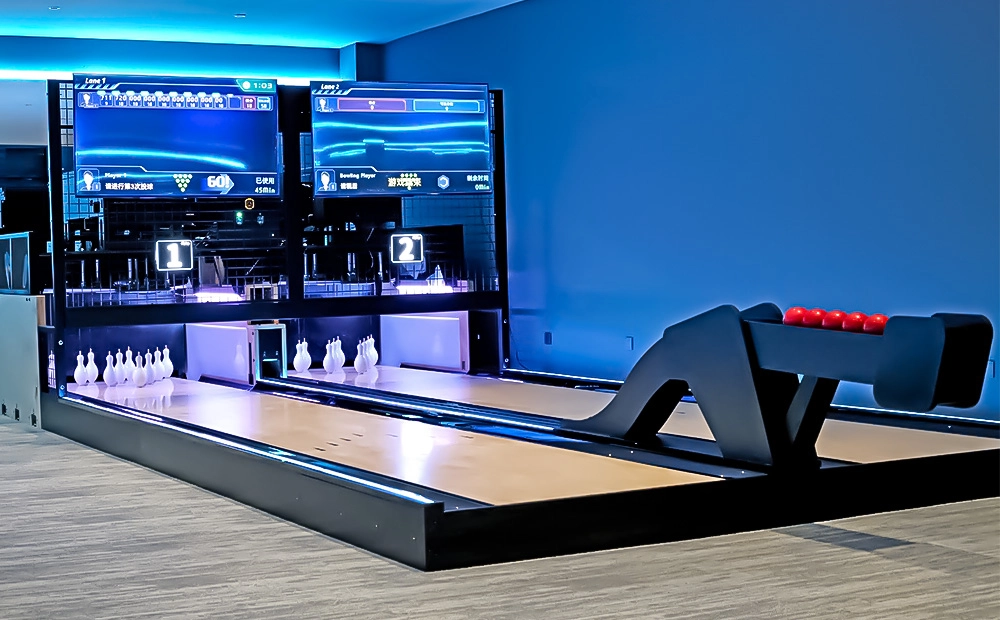
Flying Smart Duckpin Bowling
The innovative design of Flying Smart Duckpin Bowling (FSDB) makes it perfect for places like bars, billiard halls, and game centers. It makes people want to come back more often and spend more money. FSDB is fun and competitive, so it will become a new focus for social activities.
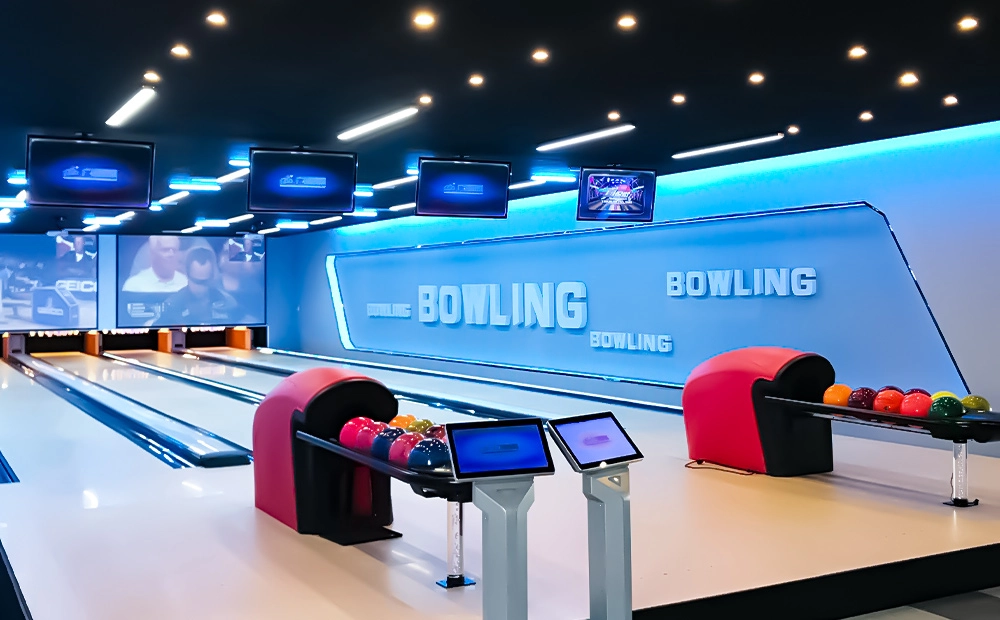
Flying Classic Standard Bowling
Flying Classic Standard Bowling (FCSB) employs the World Standard Competition Scoring System to deliver a more professional bowling experience, enabling bowlers to enjoy a professional-standard match at their convenience.
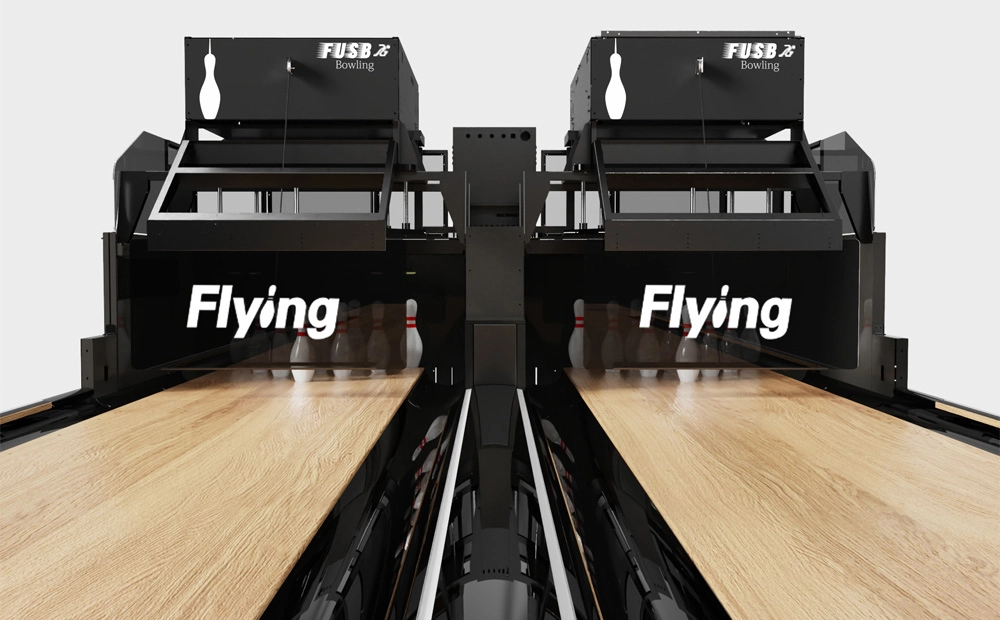
Flying Ultra Standard Bowling
Flying Ultra Standard Bowling (FUSB) Upgraded Version
The string pinsetter uses the latest technology. It offers a more enjoyable bowling experience thanks to its innovative designs and modern technology.
Ready to Build Your Bowling Center?
Share your details, and we’ll provide tailored solutions and expert guidance to help you take your bowling center to the next level.

Professional Bowling Alley Equipment Manufacturer, a one-stop solution provider for bowling alleys.
Facebook
YouTube
Linkedin
Twitter