















How Much Does a Home Bowling Lane Really Cost? Your Ultimate Price Guide
Building a private bowling alley is the ultimate home entertainment upgrade, but understanding the financial commitment is crucial. This comprehensive guide breaks down the true 'home bowling lane cost,' ranging from $35,000 for mini lanes to over $100,000 for traditional setups. We explore key price drivers like equipment quality, string pinsetters versus free-fall, and construction requirements. You will learn about hidden expenses, space constraints, and smart budgeting tips to help you navigate your residential bowling alley investment.
- Unlocking the Dream: Understanding Your Home Bowling Lane Investment
- Home Bowling Lane Cost: The Price Tag at a Glance
- Key Factors Driving Your Home Bowling Lane Investment
- 1. Economies of Scale
- 2. Type of Bowling
- 3. Equipment Quality and Brand
- 4. Customization and Design
- 5. Installation and Logistics
- Breaking Down the Costs: Essential Components of a Home Bowling Lane
- Beyond the Lane: Additional Costs & Essential Considerations
- Space Requirements for Your Home Bowling Lane
- The Ongoing Investment: Long-Term Home Bowling Lane Costs
- Smart Budgeting: How to Potentially Reduce Your Home Bowling Lane Cost
- Conclusion: Is a Home Bowling Lane a Striking Investment?
- FAQ
- What's the typical 'home bowling lane cost' for a single lane?
- How much space do I need for a traditional home bowling lane?
- Are string pinsetters cheaper than free-fall pinsetters for a home bowling lane?
- What is the 'home bowling lane cost' for a mini bowling setup?
- Can installing a home bowling lane increase my property value?
- What are the ongoing maintenance costs for a home bowling alley?
- Is it possible to install a home bowling lane in a basement?
- What are some ways to reduce the 'home bowling lane cost'?
- References
For many homeowners, the ultimate symbol of luxury and entertainment is not just a home theater or a swimming pool—it is a private bowling alley. The satisfying crash of pins, the slick feel of a freshly oiled lane, and the camaraderie of a game played in the comfort of your own basement constitute a dream scenario. However, unlike buying a pool table, installing a bowling lane is a major construction and engineering project. Unlocking this dream requires a clear understanding of the home bowling lane cost and the variables that influence it.

This guide serves as your ultimate resource for understanding the financial landscape of residential bowling. We will move beyond rough estimates to provide a comprehensive breakdown of the investment, from the initial purchase of home bowling alley equipment to the cost to build a home bowling lane from the ground up. Whether you are considering a compact mini-bowling setup or a regulation-size tournament lane, this article covers the essential components, hidden expenses, and ongoing maintenance fees to help you budget effectively.
Unlocking the Dream: Understanding Your Home Bowling Lane Investment
A private bowling lane is more than just a purchase; it is a complex installation that integrates specialized machinery with specific architectural requirements. While the allure is undeniable, the price tag reflects the commercial-grade engineering required to bring a bowling center experience into a residential setting.
When we discuss residential bowling alley cost, we are analyzing a turnkey solution. This typically involves the sub-floor construction, the synthetic lane surface, the pinsetter machinery, the ball return system, and the computerized scoring interface. Furthermore, the aesthetics—lighting, masking units, and furniture—play a massive role in the final price. Understanding that this is a renovation project as much as an equipment purchase is the first step in realistic budgeting.
Home Bowling Lane Cost: The Price Tag at a Glance
To give you a realistic starting point, we have compiled the average market rates for various setups. Keep in mind that these figures include equipment, shipping, and professional installation but can fluctuate based on your location and specific customization choices.
· Single Traditional 10-Pin Lane: For a full-regulation setup, you should expect a total project cost ranging from $75,000 to $100,000. This covers the heavy machinery, the lane materials, and the specialized labor required to install it.
· Two Traditional 10-Pin Lanes: Installing a pair of lanes is often the standard for social play. A dual-lane setup typically costs between $110,000 and $300,000. The wide range depends heavily on whether you choose standard finishes or a high-end, custom "boutique" design.
· Mini Bowling Lanes: For those with tighter budgets or smaller spaces, mini bowling lane cost is significantly lower. These setups, which use smaller balls and pins (often scaled down to 66% of regulation size), range from $35,000 to $90,000.
While these numbers provide a baseline, the "sticker price" is rarely the final cost. Site preparation and room customization are variable expenses that must be added to these equipment estimates.
Key Factors Driving Your Home Bowling Lane Investment
Why does one lane cost $80,000 while another costs $150,000? Several critical factors influence the final private bowling alley cost.
1. Economies of Scale
Interestingly, the cost to build a home bowling lane does not double when you add a second lane. Installing two lanes is often more cost-effective per lane because they share infrastructure, such as the ball return track (which runs between two lanes in a standard setup) and the computer system. The mobilization cost for the installation crew is also spread across a larger project value.
2. Type of Bowling
Traditional 10-pin bowling requires the most space and the most robust equipment. Duckpin or Candlepin bowling, which use smaller balls and no finger holes, may have slightly different equipment costs but generally require similar structural preparation. Mini-bowling, however, drastically reduces structural demands and equipment costs.
3. Equipment Quality and Brand
Just as with cars, there are luxury and economy models in bowling. Commercial-grade new equipment from top heritage brands like Brunswick or QubicaAMF will be at the higher end of the price spectrum. These systems are built to withstand thousands of games a day, meaning they will last a lifetime in a home setting.
4. Customization and Design
This is where the budget often expands. Standard masking units (the graphic above the pins) are included in the base price. However, if you want custom murals, multi-color LED lane lighting that syncs with music, premium wood-grain approaches, or integrated high-end Audio/Visual systems, the price will climb. Custom furniture alone can add $10,000 to $20,000 to the project.
5. Installation and Logistics
Bowling lane installation cost is heavily influenced by logistics. Can the equipment be delivered easily into the basement, or does it require a crane? Are you located near a major metropolitan hub, or will the specialized installation crew need to travel and lodge near your home for two weeks? These labor and travel costs are significant line items.
Breaking Down the Costs: Essential Components of a Home Bowling Lane
To understand where the money goes, it helps to itemize the home bowling alley equipment cost. Here is a breakdown of the primary hardware components:
· Bowling Lanes ($10,000 - $18,000 per lane): Modern lanes are typically synthetic (phenolic laminates) which look like wood but are far more durable and easier to maintain. Real wood lanes are available but are now a niche luxury product that requires expensive resurfacing, costing between $15,000 and $18,000.
· Pinsetters ($11,000 - $18,000 per lane): This is the heart of the operation. Traditional "free-fall" pinsetters are complex mechanical beasts. However, for home use, string pinsetters are becoming the industry standard. They are quieter, use 75% less energy, and cost significantly less to maintain. A string pinsetter is generally on the lower end of this price range compared to a refurbished or new free-fall machine.
· Ball Return System ($6,000 - $10,000): This system transports the ball from the pit back to the player. Costs vary based on whether the return track is above ground (common in mini bowling) or underground (standard for regulation lanes), which requires more construction work.
· Scoring & Display Systems ($7,000 - $14,000): You can opt for a basic keypad and monitor, but most modern homeowners want the "entertainment center" experience. This includes touch-screen tablets, 3D animations, and games that go beyond standard 10-pin rules.
· Approach & Pin Deck: The specialized flooring where you stand to bowl (the approach) and where the pins stand (the deck) must be perfectly level and durable. High-quality finishes here are integral to the experience.
Beyond the Lane: Additional Costs & Essential Considerations
The check you write to the bowling equipment provider is not the only expense. To accurately calculate how much for a home bowling lane, you must factor in the room preparation.
Site Preparation & Construction: Your room must be perfectly level. This may require pouring new concrete or building a specialized sub-floor. Furthermore, the electrical requirements for pinsetters and motors often necessitate a dedicated sub-panel.
Acoustic Treatment: Bowling is loud. The crash of pins can reach over 100 decibels. Soundproofing the ceiling and walls to prevent the noise from disturbing the rest of the house is an often-overlooked expense that can cost several thousand dollars.
Permits & Regulations: Depending on your municipality, you may need building permits for the structural and electrical work. While not a massive cost compared to the equipment, it adds time and administrative fees to the project.
Delivery & Labor: Bowling equipment is heavy. A single pinsetter can weigh nearly 2,000 pounds. Specialized freight and a crew of skilled installers (who are distinct from your general contractor) are required. Installation labor and travel can account for 15-20% of the total equipment invoice.
Space Requirements for Your Home Bowling Lane
Before you budget, you must ensure you have the footprint. A common misconception is that a bowling lane can fit in a standard room.
· Traditional 10-Pin Lane: A regulation lane requires approximately 88 to 100 feet in length. This includes the approach (16 ft), the lane and pin deck (63 ft), and the service aisle behind the machines (4-6 ft). The width required is roughly 12 to 14 feet for a single lane.
· Two Traditional Lanes: If you want a pair, you generally need a minimum room width of 22 feet.
· Ceiling Height: A minimum clearance of 10 feet is advisable, though some string pinsetters can operate with slightly lower ceilings. This allows for the proper installation of monitors and masking units.
If you lack this space, mini bowling lanes are the solution. They can be customized to fit rooms as short as 40 feet, making them viable for many standard basements.
The Ongoing Investment: Long-Term Home Bowling Lane Costs
The average cost of a home bowling lane extends into the future. Unlike a static piece of furniture, a bowling alley is a dynamic machine.
· Maintenance & Repairs: If you choose traditional free-fall pinsetters, you effectively have a commercial robot in your home. It will need mechanics and parts. String pinsetters reduce this burden significantly, often requiring only simple untangling or string replacement that a homeowner can do themselves.
· Consumables: You will need to replace bowling pins periodically as they crack. If you have real wood lanes or use free-fall machines, you will also need lane oil and conditioner.
· Utilities: Expect a bump in your electricity bill. Powering the pinsetters, the ball return motors, the scoring computers, and the specialized lighting adds up during heavy usage.
· Insurance: Inform your insurance provider about this addition. It significantly increases the replacement value of your home contents and may carry liability implications.
Smart Budgeting: How to Potentially Reduce Your Home Bowling Lane Cost
If the six-figure price tag is daunting, there are strategic ways to lower the entry barrier without sacrificing the fun.
1. Opt for String Pinsetters: This is the single most effective cost-saver. They are cheaper to buy, cheaper to ship (lighter), and drastically cheaper to maintain.
2. Choose Refurbished Equipment: Many suppliers offer "remanufactured" equipment. These are commercial machines taken from closed bowling centers, stripped down, and rebuilt to like-new condition. This can save 30-40% on equipment costs.
3. Simplify the Aesthetics: Skip the glow-in-the-dark capping and the custom murals. A clean, minimalist industrial look is trendy and cheaper to achieve.
4. Consider Mini-Bowling: If the "sport" aspect is less important than the "fun" aspect, mini-bowling provides 90% of the entertainment value for 50% of the cost.
Conclusion: Is a Home Bowling Lane a Striking Investment?
Installing a home bowling lane is a substantial financial commitment, with costs ranging from tens to hundreds of thousands of dollars. The final home bowling lane cost is highly variable, influenced by lane count, equipment choices, and the complexity of your specific installation site.
However, for those who can afford it, a private bowling alley offers unparalleled entertainment value. It serves as a magnetic gathering place for family and friends and stands as a unique asset that distinguishes your property in the real estate market. By planning thoroughly, choosing the right technology (like string pinsetters), and budgeting for the hidden costs of construction and acoustics, you can ensure your investment yields strikes for years to come.
FAQ
What's the typical 'home bowling lane cost' for a single lane?
A single traditional 10-pin home bowling lane typically costs between $75,000 and $100,000, which includes the manufacturing of the equipment, shipping, and professional installation.
How much space do I need for a traditional home bowling lane?
You generally need a room approximately 88-100 feet long. The width requirement is 12-14 feet for a single lane or 22 feet for a pair of lanes. A ceiling height of at least 10 feet is recommended.
Are string pinsetters cheaper than free-fall pinsetters for a home bowling lane?
Yes. String pinsetters are generally more affordable to purchase initially. More importantly, they offer massive savings (up to 90%) on long-term maintenance and parts because they lack the complex hydraulics and mechanics of free-fall machines.
What is the 'home bowling lane cost' for a mini bowling setup?
Mini bowling lanes are a budget-friendly alternative. Total project costs usually range from $35,000 to $90,000, depending heavily on the level of customization and the number of lanes.
Can installing a home bowling lane increase my property value?
Yes, primarily in the luxury market. A home bowling lane is a "wow" factor that differentiates a high-end home. However, the return on investment (ROI) is not always 100%; it adds value as a unique amenity rather than strictly adding square-footage value.
What are the ongoing maintenance costs for a home bowling alley?
Ongoing costs include increased electricity, occasional mechanical repairs, and consumables like pins and cleaning supplies. Choosing string pinsetters drastically reduces these annual costs compared to traditional machines.
Is it possible to install a home bowling lane in a basement?
Yes, basements are the most common location for home lanes. However, the basement must meet the length (88+ feet) and ceiling height requirements. Structural columns may need to be moved, which adds to the construction cost.
What are some ways to reduce the 'home bowling lane cost'?
To reduce costs, consider installing mini bowling or duckpin lanes, choose string pinsetters, opt for high-quality refurbished equipment instead of brand new, and simplify the cosmetic design of the room.
References
· Brunswick Bowling Residential: Home Bowling Center Investment Guide (Industry standard pricing for equipment).
· Murrey International: Capital Equipment Planning for Residential Lanes (Source for installation and logistics estimates).
· Home Advisor / Angi: Cost to Build Home Entertainment Centers (General construction and renovation labor rates).
· QubicaAMF: String vs. Free-Fall Pinsetter Cost Analysis (Data on maintenance and energy savings).

Quality Bowling

Service
What is the warranty on your bowling equipment?
We provide a standard 1-year warranty on all equipment, with extended warranties available upon request.
How long do you provide warranty service?
The whole machine is under warranty for 2 years, and the core components (motor/mainboard) are extended to 3 years, and the maintenance is at cost price for life.
Technology
How can I get the latest technology upgrades?
Our customers can get software updates for free and hardware upgrades at cost price.
Products
Is your equipment suitable for beginners?
Our equipment is easy to operate and equipped with auxiliary aiming lines, so even those who are new to bowling can quickly get started.
What types of bowling equipment do you have?
Flying Classic Standard Bowling (FCSB), Flying Smart Duckpin Bowling (FSDB), Flying Ultra Standard Bowling (FCSB Ultra)
You May Also Like
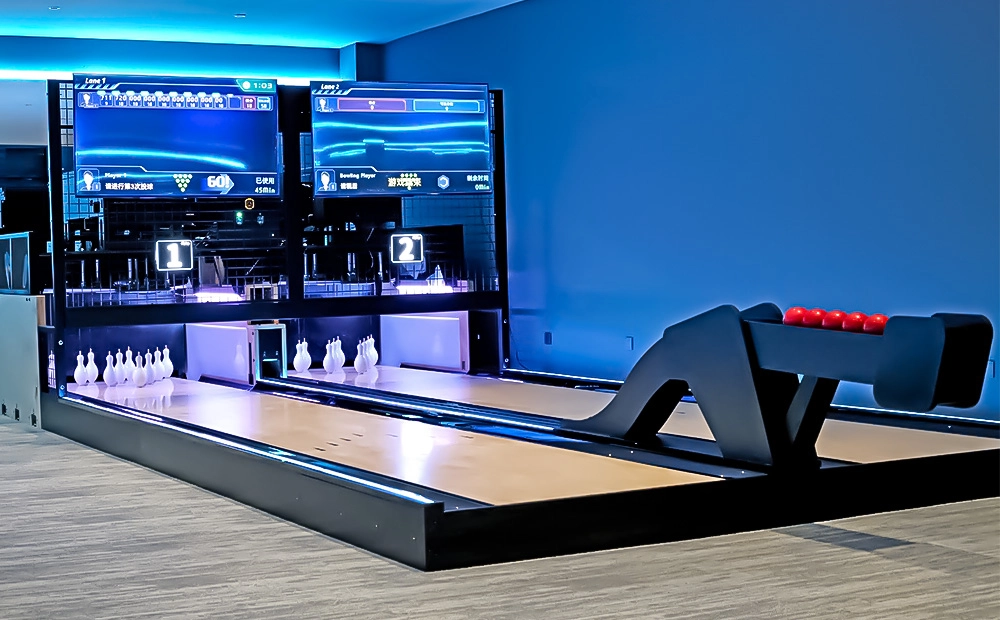
Flying Smart Duckpin Bowling
The innovative design of Flying Smart Duckpin Bowling (FSDB) makes it perfect for places like bars, billiard halls, and game centers. It makes people want to come back more often and spend more money. FSDB is fun and competitive, so it will become a new focus for social activities.
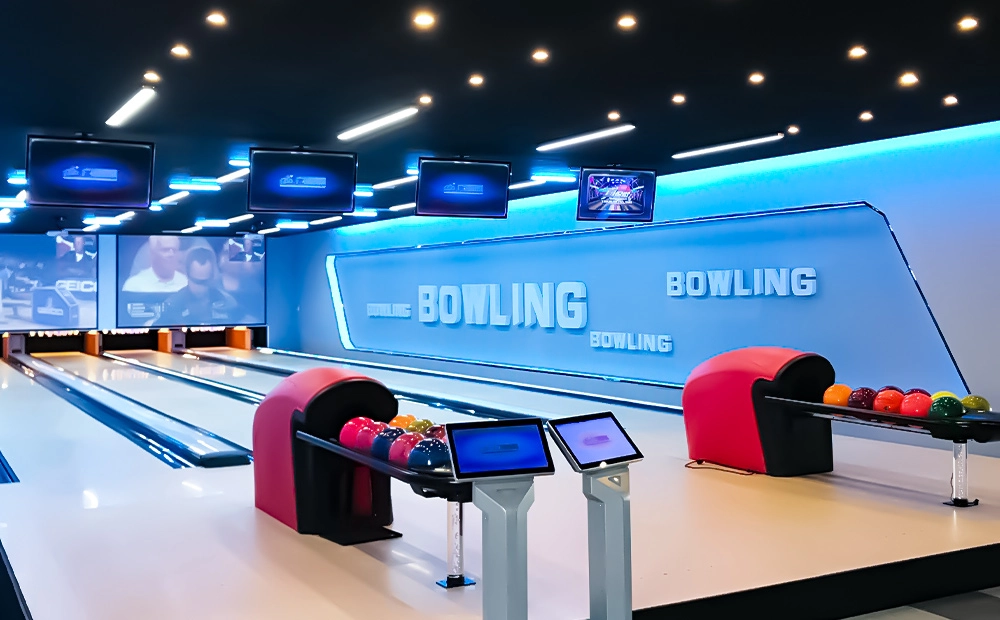
Flying Classic Standard Bowling
Flying Classic Standard Bowling (FCSB) employs the World Standard Competition Scoring System to deliver a more professional bowling experience, enabling bowlers to enjoy a professional-standard match at their convenience.
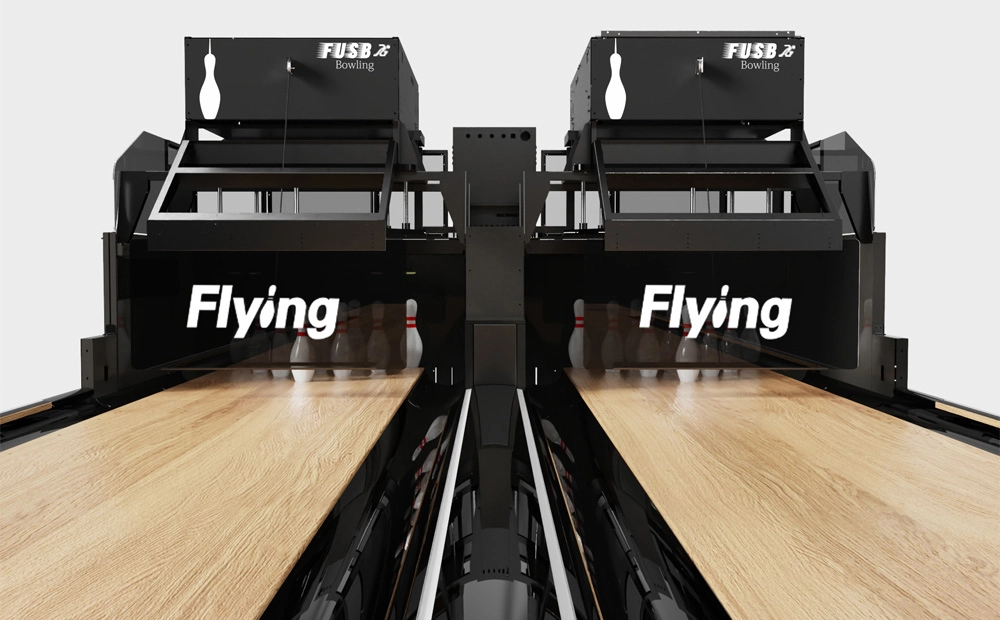
Flying Ultra Standard Bowling
Flying Ultra Standard Bowling (FUSB) Upgraded Version
The string pinsetter uses the latest technology. It offers a more enjoyable bowling experience thanks to its innovative designs and modern technology.

Get in touch
Contact us
If you contact us now for more details, we can provide you with a custom bowling alley service.
Our service team will get back to you within 24 hours, normally!



Professional Bowling Alley Equipment Manufacturer, a one-stop solution provider for bowling alleys.
Facebook
YouTube
Linkedin
Twitter