















Bowling Alley Installation Cost: Your Ultimate 2026 Guide for Home & Commercial
Planning to build a bowling alley in 2026? This comprehensive guide breaks down the costs for both residential and commercial installations. We explore pricing for standard home lanes ($75,000+), mini alleys ($35,000+), and full-scale commercial centers ($2M+). Learn about the key factors influencing your budget, including equipment, synthetic vs. wooden lanes, and installation labor. Whether you're upgrading your home or starting a business, this article provides the essential financial insights you need.
- How Much Does a Home Bowling Alley Cost?
- Standard 10-Pin Home Alley
- Mini Home Bowling Alleys
- Understanding Commercial Bowling Alley Installation Costs
- Key Factors Influencing Bowling Alley Installation Costs
- Breakdown of Individual Component Costs
- Maintenance and Operational Costs
- Is a Home Bowling Alley a Good Investment?
- Conclusion
- Frequently Asked Questions (FAQ)
- What is the minimum space required for a bowling alley?
- How much does a single bowling lane cost to install?
- Are mini bowling alleys worth it?
- What's the cheapest way to build a bowling alley?
- How long does it take to install a bowling alley?
- References
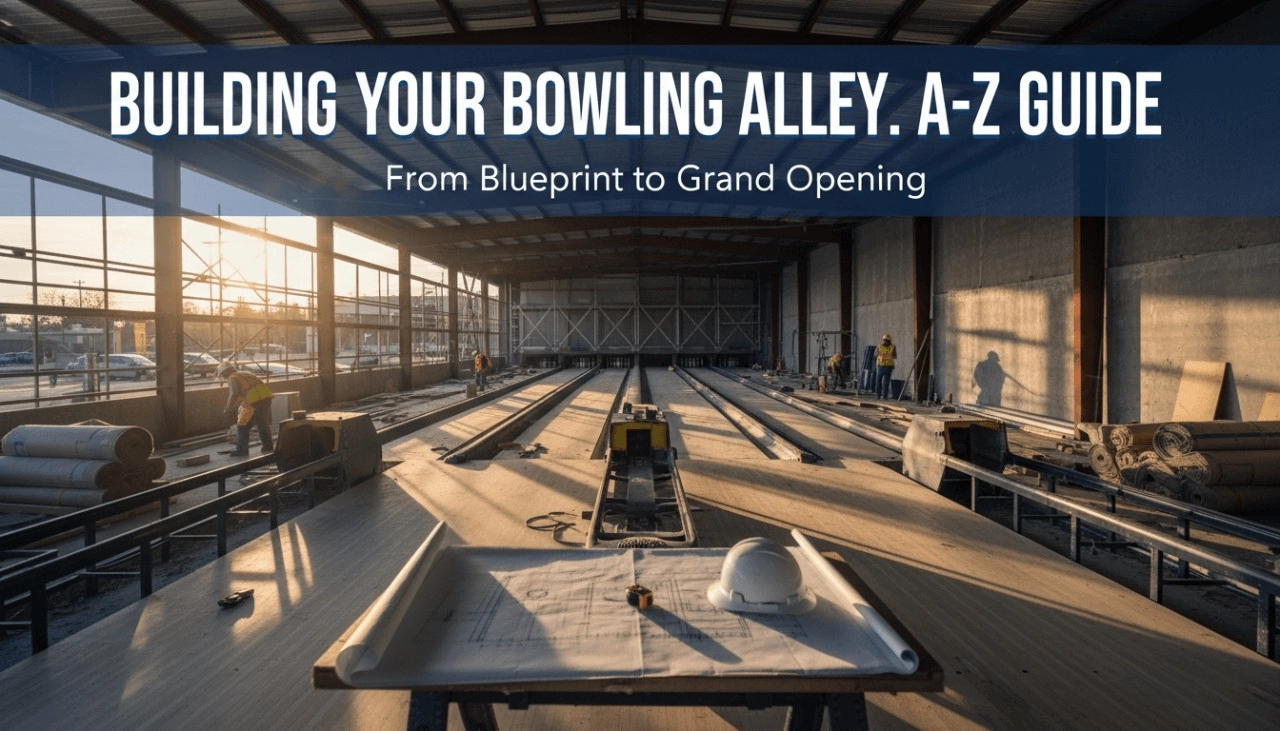
The world of bowling alley installations is diverse, ranging from intimate private home lanes to sprawling commercial entertainment centers. While the dream of owning a bowling lane is exciting, the costs can vary significantly based on scale, customization options, and specific equipment choices. This guide provides a comprehensive breakdown to help you budget effectively for your bowling project in 2026.
How Much Does a Home Bowling Alley Cost?
For residential projects, the cost is largely determined by the type of experience you want to create—whether it's a regulation-size lane for serious practice or a mini-lane for casual family fun.
Standard 10-Pin Home Alley
For a fully equipped, traditional setup that rivals professional centers, expect to invest between $75,000 and $175,000.
· Single Lane: A single-lane home bowling alley typically costs $75,000 to $100,000. This price includes essential equipment such as pinsetters, ball returns, and scoring systems.
· Two-Lane Setup: A double-lane residential setup, which allows for competitive play, typically ranges from $110,000 to $175,000, depending on the level of customization and finishes.
· Space Requirements: You will need a significant amount of room. The minimum space required for a standard lane is 88 feet in length, though extending this to 100 feet is recommended to accommodate seating areas comfortably.
Mini Home Bowling Alleys
If space or budget is a constraint, mini bowling alleys are a fantastic alternative. These setups are more budget-friendly and space-efficient.
· Cost: Mini alleys typically cost between $35,000 and $90,000.
· Features: These lanes use shorter dimensions, smaller balls, and smaller pins, making them ideal for compact basements, game rooms, or garages without sacrificing the fun of the game.
Understanding Commercial Bowling Alley Installation Costs
Launching a commercial bowling business involves a different scale of investment, covering infrastructure, amenities, and heavy-duty equipment.
· Average Commercial Center: Building a modern, multi-lane commercial bowling alley generally ranges from $2 million to $6 million. According to industry studies, the average cost for a fully operational bowling center hovers around $4.5 million.
· Cost Per Lane: On average, investors should budget approximately $80,000 per lane for commercial installations. This figure encompasses not just the lanes and technical equipment, but also the broader building construction, necessary infrastructure, and facility amenities.
Key Factors Influencing Bowling Alley Installation Costs
Regardless of whether you are building for home or business, several universal factors will drive your final quote.
1. Number of Lanes: This is the primary cost determinant. More lanes equal higher material and labor costs, though economies of scale can slightly reduce the cost-per-lane in larger commercial projects.
2. Type of Lane:
o Synthetic Lanes: Costing $10,000–$15,000 per lane, these are popular for their durability and low maintenance.
o Wooden Lanes: Traditional wood offers a classic feel but costs $15,000–$18,000 per lane and requires more upkeep.
3. Equipment Quality & Brand: High-end pinsetters, rapid ball return systems, and advanced digital scoring interfaces will increase the overall price.
4. Customization & Aesthetics: Unique designs, such as themed lighting (glow-in-the-dark), premium lounge seating, and high-fidelity sound systems, add to the total investment.
5. Site Preparation & Construction: Foundation work, electrical upgrades to handle heavy machinery, HVAC systems, and plumbing are significant cost drivers often overlooked in initial estimates.
6. Installation Services & Labor: Professional installation by experienced technicians is non-negotiable for safety and functionality, accounting for a substantial portion of the budget.
7. Location & Permits: Land acquisition costs, local zoning regulations, permit fees, and regional labor rates vary widely.
8. Additional Commercial Features: For businesses, incorporating pro shops, arcade zones, restaurants, bars, and private party rooms adds layers of complexity and cost.
Breakdown of Individual Component Costs
To understand where the money goes, it helps to look at the component costs:
· Lanes: Material costs range from $10,000 to $18,000 per lane depending on the choice between synthetic and wood.
· Pinsetters: These are essential for automatic pin resetting. Prices vary based on whether you choose brand-new models or refurbished options.
· Ball Return Systems: Automatic ball returns are standard for user convenience and flow of the game.
· Scoring Systems: Modern bowlers expect digital automatic scoring. Advanced systems with interactive graphics and different game modes command a premium.
· Pins & Bowling Balls: You will need initial sets of pins and a wide range of house balls to accommodate different hand sizes and skill levels.
· Approach & Seating: The materials used for the approach area, along with tables and lounge furniture, contribute significantly to the aesthetic and comfort.
Maintenance and Operational Costs
The investment doesn't end after installation. Prospective owners must budget for ongoing expenses:
· Lane Conditioning: Regular oiling and cleaning are strictly required for lane longevity and consistent ball reaction.
· Equipment Upkeep: Pinsetters are complex machines that require routine maintenance and occasional repairs.
· Utilities: Bowling centers consume significant electricity for lighting, machinery, HVAC, and scoring systems.
· Staffing (Commercial): Operational costs include management, lane attendants, cleaning crews, and food/beverage staff.
· Insurance: Comprehensive coverage for property, liability, and equipment is essential.
Is a Home Bowling Alley a Good Investment?
A home bowling alley offers significant personal enjoyment and creates a unique entertainment space that few other homes possess. While it can potentially increase property value and "wow" factor, its appeal is somewhat niche. It may not yield a dollar-for-dollar return on investment when selling the home. Therefore, personal usage and long-term family enjoyment should be the primary drivers for this investment.
Conclusion
The cost of installing a bowling alley varies dramatically, ranging from tens of thousands for a mini home lane to millions for a multi-lane commercial center. Key factors such as the number of lanes, type of materials, equipment quality, and customization heavily influence the final price. Thorough planning, detailed budgeting, and consultation with experienced professionals are crucial for a successful installation. Whether for personal luxury or a commercial venture, understanding these costs will help you make an informed decision and realize your vision in 2026.
Frequently Asked Questions (FAQ)
What is the minimum space required for a bowling alley?
A standard 10-pin bowling alley typically requires a space at least 88 feet long to accommodate the lane, approach, and pin deck. For a comfortable setup including a seating area, closer to 100 feet in length is recommended. Mini bowling alleys require significantly less space, making them suitable for smaller homes.
How much does a single bowling lane cost to install?
For a home installation, a single 10-pin bowling lane with all necessary equipment (pinsetter, ball return, scoring) typically costs $75,000 to $100,000. The cost of the lane components themselves (excluding full installation and infrastructure) can range from $25,000 to $45,000 for a standard setup.
Are mini bowling alleys worth it?
Yes, mini bowling alleys are a great option for those with limited space or a smaller budget. They offer a similar fun and engaging experience as traditional bowling but in a more compact and cost-effective package ($35,000 to $90,000).
What's the cheapest way to build a bowling alley?
The cheapest option is generally to install a mini bowling alley due to its smaller size. Additionally, considering refurbished or second-hand equipment for components like pinsetters can significantly lower costs. Opting for synthetic lanes over traditional wood can also provide a lower-maintenance solution.
How long does it take to install a bowling alley?
A single home bowling lane might take several weeks to a few months from start to finish. A large multi-lane commercial bowling center can take anywhere from several months to over a year, involving extensive construction and infrastructure development.
References
1. Industry estimates regarding commercial bowling center construction costs ($4.5 million average).
2. Market data on residential and commercial lane pricing (2024-2025).

Quality Bowling
Customer care
My room is only about 50 or 60 feet long. How short is too short" for bowling lanes?
That depends on what each person likes. It's like asking how low we can put a basketball goal so that it's still fun. If your bowlers are mostly kids or people who haven't bowled much, they might not mind extremely short lanes. But serious league and tournament bowlers won't like a lane that isn't the normal size.
Technology
Can old equipment be upgraded?
We provide personalized transformation solutions for different venues, such as replacing old pinsetter machines with the latest string pinserrer machines , LED interactive lanes, etc.
Service
Do you provide regular maintenance services?
You can sign an annual maintenance agreement, which includes quarterly inspections, lubrication maintenance, system upgrades and other services.
How to complain if you are not satisfied with the after-sales service?
You can directly contact the Global Service Director (email: mike@flyingbowling.com/phone: 0086 18011785867), and we promise to issue a solution within 24 hours.
Installations
How long does it take to install bowling equipment?
The installation process can take between 2-4 weeks, depending on the size of the project and the specific type of equipment being installed.
You May Also Like
Flying Smart Duckpin Bowling
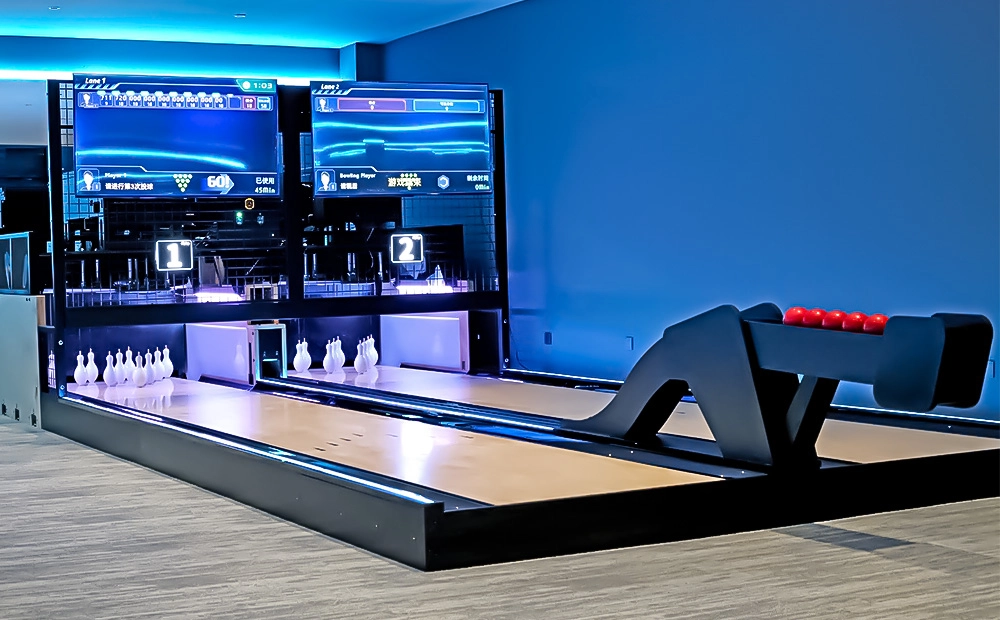
The innovative design of Flying Smart Duckpin Bowling (FSDB) makes it perfect for places like bars, billiard halls, and game centers. It makes people want to come back more often and spend more money. FSDB is fun and competitive, so it will become a new focus for social activities.
Flying Classic Standard Bowling
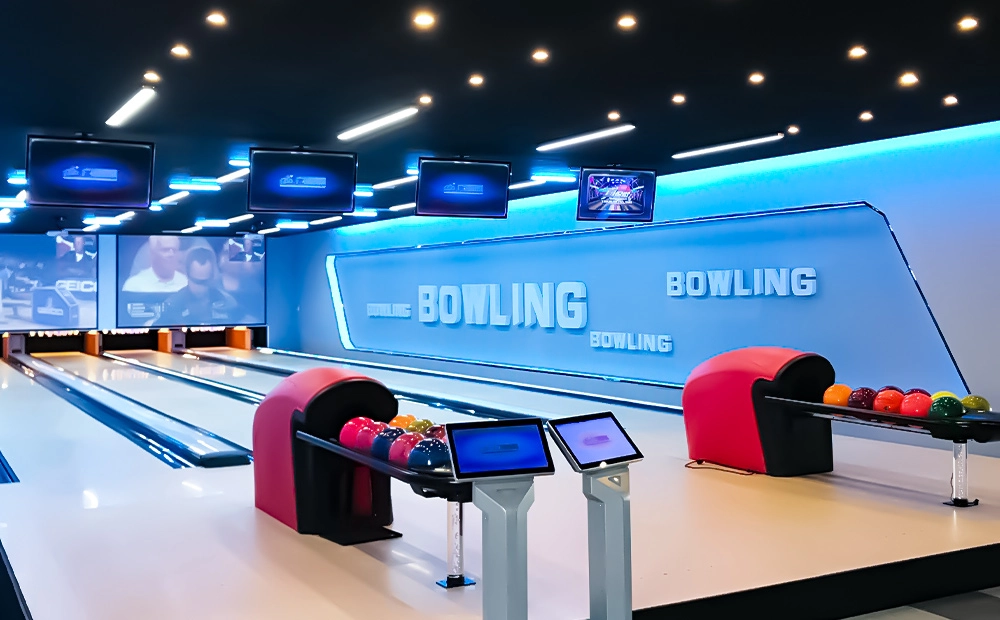
Flying Classic Standard Bowling (FCSB) employs the World Standard Competition Scoring System to deliver a more professional bowling experience, enabling bowlers to enjoy a professional-standard match at their convenience.
Flying Ultra Standard Bowling
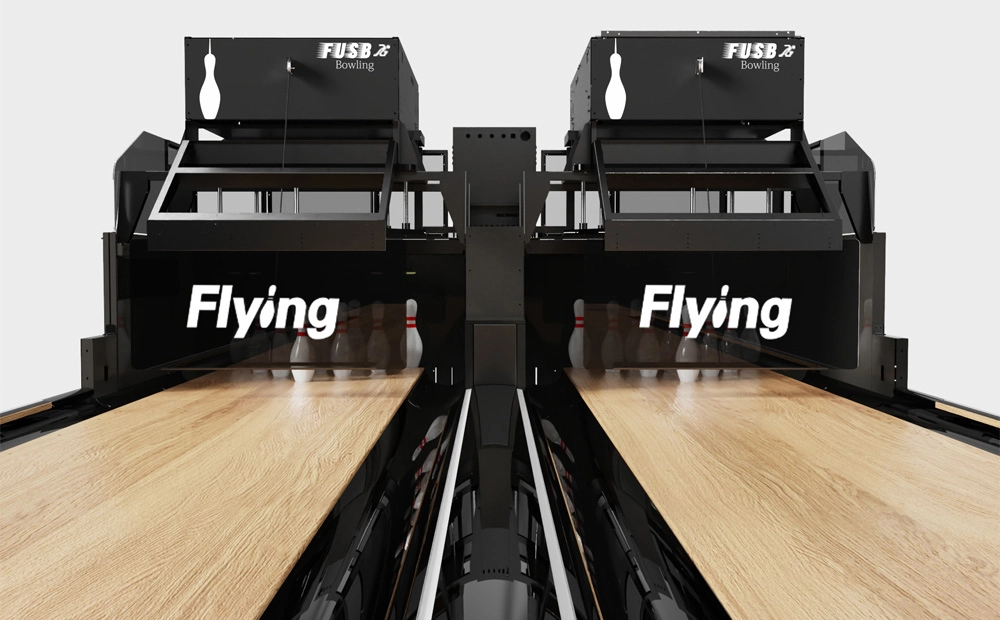
Flying Ultra Standard Bowling (FUSB) Upgraded Version
The string pinsetter uses the latest technology. It offers a more enjoyable bowling experience thanks to its innovative designs and modern technology.

Get in touch
Contact us
If you contact us now for more details, we can provide you with a custom bowling alley service.
Our service team will get back to you within 24 hours, normally!



Professional Bowling Alley Equipment Manufacturer, a one-stop solution provider for bowling alleys.
Facebook
YouTube
Linkedin
Twitter