












how many people per bowling lane | Fly Bowling Expert Guide
- Understanding Bowling Lane Capacity and Equipment Selection
- 1. How Many Players Should Bowl on One Lane?
- 2. What Factors Should Be Considered When Purchasing Bowling Equipment?
- 3. Should I Purchase Bowling Equipment Online or In-Store?
- 4. How Important Is Professional Fitting for Bowling Equipment?
- 5. What Are the Maintenance Requirements for Bowling Equipment?
- Conclusion: Why Choose Fly Bowling?
Understanding Bowling Lane Capacity and Equipment Selection
When planning a bowling event or setting up a facility, it's crucial to understand the optimal number of players per lane and the considerations for purchasing bowling equipment. This guide addresses common questions and provides professional insights to assist in your decision-making process.
1. How Many Players Should Bowl on One Lane?
The ideal number of players per lane varies based on the type of play:
Casual Play: Typically, 4-6 players per lane is recommended. This allows each player sufficient time to bowl without excessive waiting, ensuring a relaxed and enjoyable experience.
League or Competitive Play: For a smoother pace, limiting to 4 players per lane is advisable. This setup minimizes downtime between turns and maintains the game's flow.
2. What Factors Should Be Considered When Purchasing Bowling Equipment?
Selecting the right bowling equipment involves several key considerations:
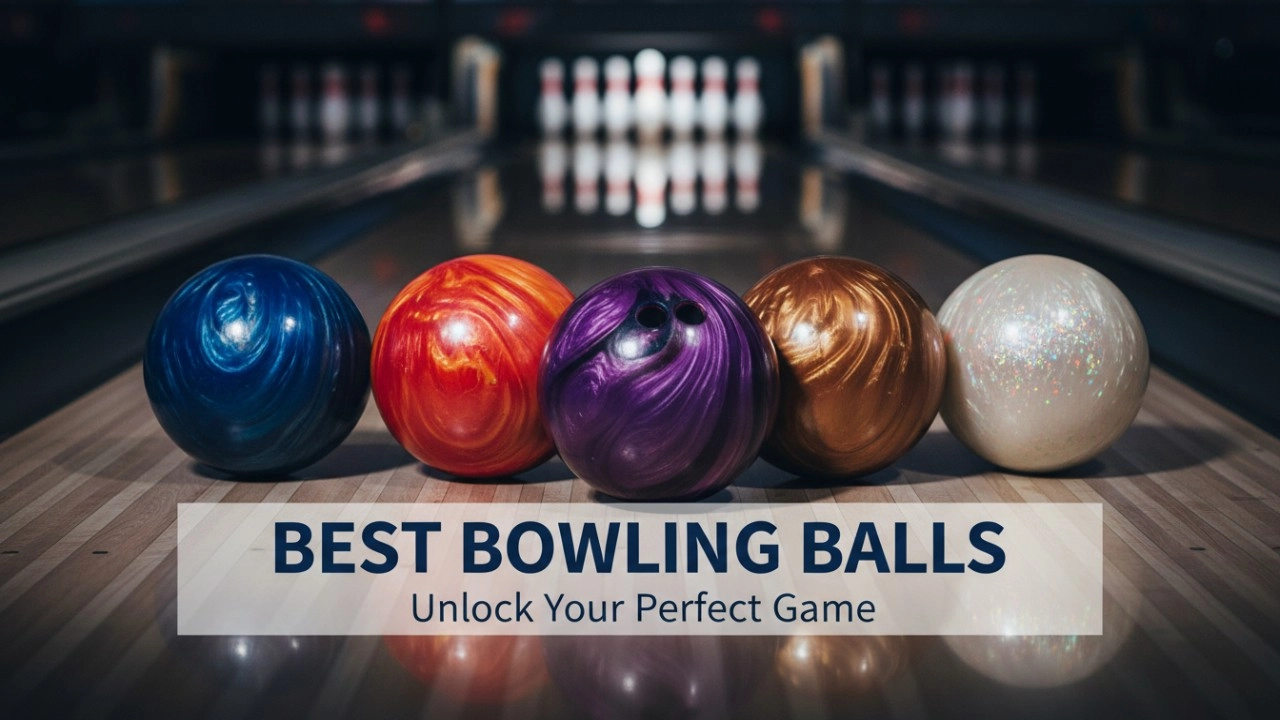
Player Skill Level: Beginner bowlers may benefit from lighter balls and more forgiving lane conditions, while experienced players might prefer heavier balls and specific ball layouts tailored to their style.
Lane Conditions: Understanding whether the lanes are oily or dry will influence the type of ball coverstock and weight to choose.
Budget Constraints: High-quality equipment can be a significant investment. It's essential to balance quality and cost, considering both immediate needs and long-term benefits.
Maintenance Requirements: Regular upkeep, such as ball resurfacing and polishing, is vital for optimal performance.
3. Should I Purchase Bowling Equipment Online or In-Store?
Both online and in-store purchases have their advantages:
In-Store Purchases: Allow for personalized assistance, immediate access to products, and the opportunity to test equipment suited to your style.
Online Purchases: Offer convenience and often competitive pricing but lack the ability to physically inspect or test the equipment before buying.
4. How Important Is Professional Fitting for Bowling Equipment?
Professional fitting is crucial for enhancing performance and comfort. A properly fitted ball ensures a comfortable grip and optimal release, reducing the risk of injury and improving accuracy.
5. What Are the Maintenance Requirements for Bowling Equipment?
Regular maintenance is essential to prolong the lifespan of your equipment and maintain performance:
Ball Maintenance: Regular resurfacing and polishing help maintain the ball's reaction and longevity.
Shoe Care: Cleaning and replacing soles and heels as needed ensures proper traction and comfort.
Bag Maintenance: Regularly check for wear and tear to protect your equipment during transport.
Conclusion: Why Choose Fly Bowling?
Fly Bowling offers comprehensive solutions for all your bowling equipment needs. With a focus on quality, customer satisfaction, and expert guidance, we ensure that your bowling experience is both enjoyable and professional. Whether you're outfitting a commercial center or setting up a home alley, Fly Bowling provides the expertise and products to meet your requirements.
Quality Bowling
Installations
Was the equipment installed by professional technicians?
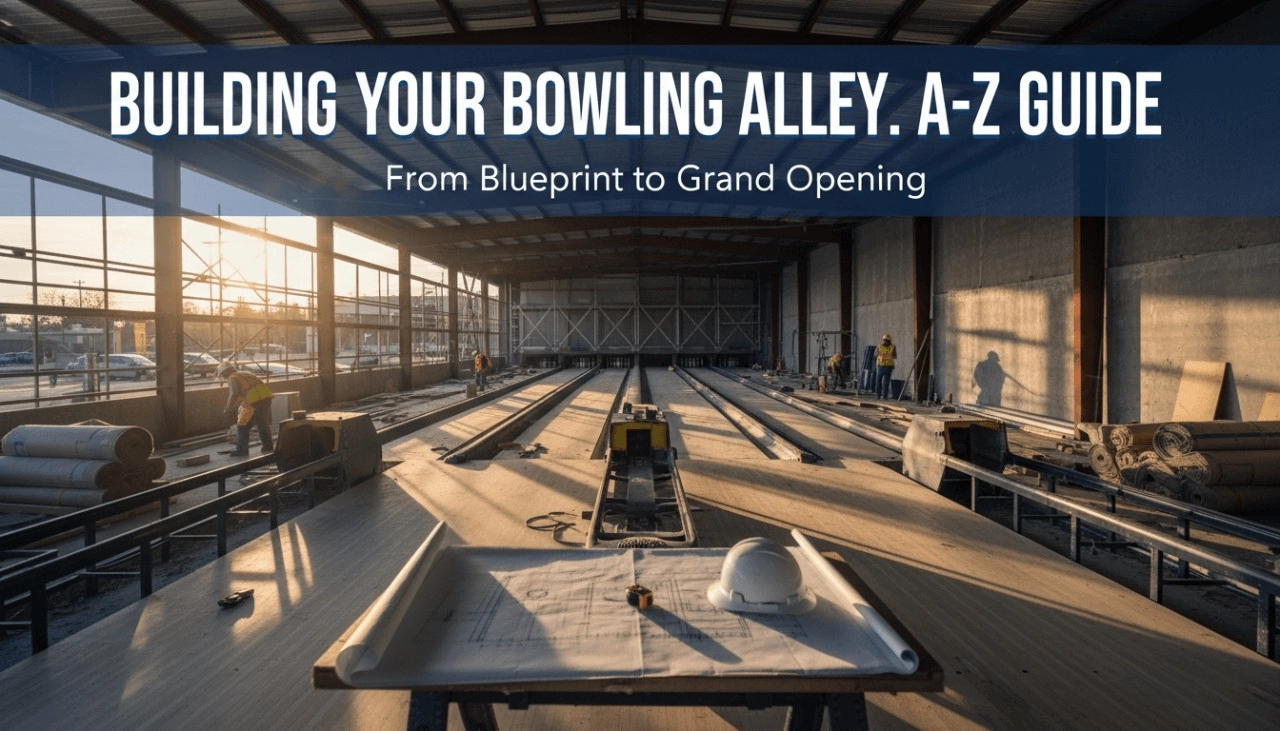
The installation team we dispatched is composed of professional technicians who have undergone rigorous assessment and training and have rich experience in bowling equipment installation. The team uses digital debugging tools throughout the process to ensure that each component of the equipment can be accurately installed and debugged to achieve optimal operating conditions.
Products
Does your bowling equipment meet international standards?
It meets international standards. The equipment strictly follows the US USBC (United States Bowling Congress) international standard certification, which is one of the highest standards recognized by the global bowling industry. USBC certification ensures that our equipment has reached the international top level in terms of safety, durability, performance and user experience.
Can you provide customized bowling alley design solutions?
Yes, we provide full customization services from space planning, equipment selection to theme design.
Can I customize the bowling equipment to fit my venue's theme?
Yes, we offer fully customized solutions, including lane colors, scoring systems, and pinsetter designs to match your venue’s theme.
Technology
What is the degree of automation of the equipment? Does it support automatic scoring, automatic ball return and other functions?
Fully automated. Our equipment is equipped with an independent intelligent scoring system, and also has automatic ball return and ball up functions to ensure that the game can proceed smoothly, which greatly improves the user experience and reduces labor costs and maintenance difficulties.
You May Also Like
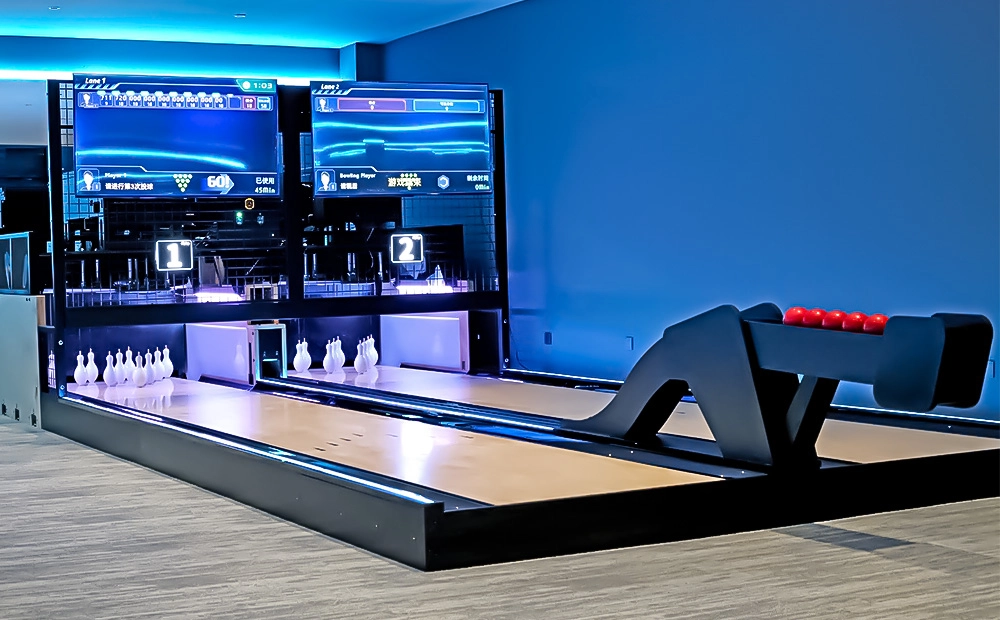
Flying Smart Duckpin Bowling
The innovative design of Flying Smart Duckpin Bowling (FSDB) makes it perfect for places like bars, billiard halls, and game centers. It makes people want to come back more often and spend more money. FSDB is fun and competitive, so it will become a new focus for social activities.
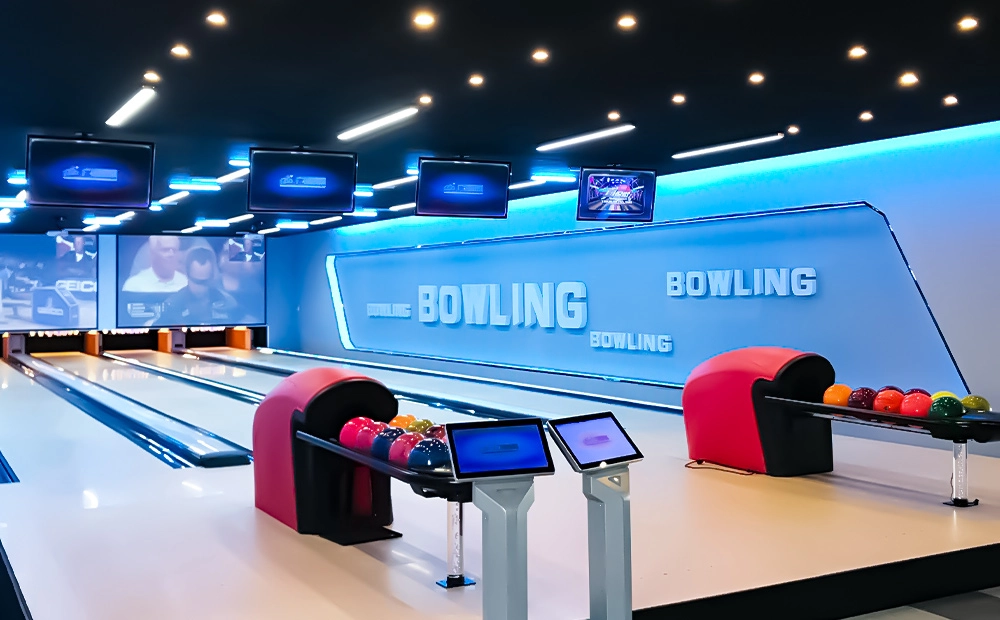
Flying Classic Standard Bowling
Flying Classic Standard Bowling (FCSB) employs the World Standard Competition Scoring System to deliver a more professional bowling experience, enabling bowlers to enjoy a professional-standard match at their convenience.
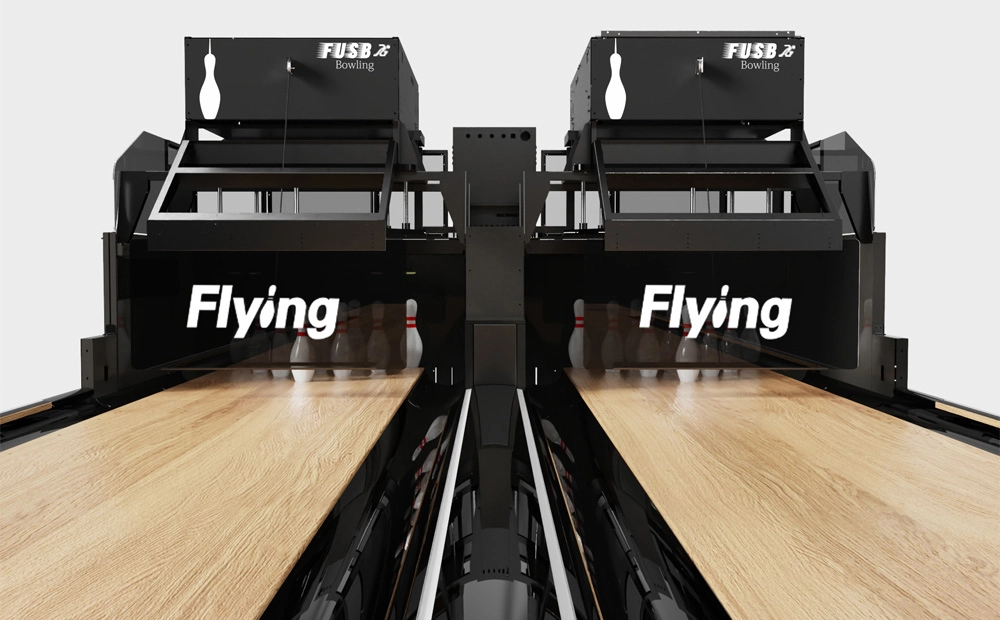
Flying Ultra Standard Bowling
Flying Ultra Standard Bowling (FUSB) Upgraded Version
The string pinsetter uses the latest technology. It offers a more enjoyable bowling experience thanks to its innovative designs and modern technology.

Get in touch
Contact us
If you contact us now for more details, we can provide you with a custom bowling alley service.
Our service team will get back to you within 24 hours, normally!



Professional Bowling Alley Equipment Manufacturer, a one-stop solution provider for bowling alleys.
Facebook
YouTube
Linkedin
Twitter