














Unlocking the Investment: A Comprehensive Guide to Bowling Alley Construction Cost in Greece
- Your Gateway to a Thriving Entertainment Business in Greece
- Factors Influencing Bowling Alley Construction Cost in Greece
- Land & Location: A Crucial Variable for Your Bowling Alley Investment
- Building & Infrastructure: The Foundation of Your Bowling Business
- Bowling Equipment Selection: Defining Your Alley's Core Appeal
- Design & Aesthetics: Creating an Inviting Atmosphere
- Permits & Regulations: Navigating Greek Bureaucracy
- Ancillary Facilities & Entertainment: Enhancing Customer Experience and Revenue
- A Detailed Look at Key Cost Components
- Core Bowling Equipment Costs: The Heart of Your Bowling Alley
- Building Materials and Labor: Local Market Dynamics in Greece
- HVAC, Electrical, and Plumbing Systems: Essential Infrastructure for Comfort
- Interior Design and Furnishings: Crafting Your Alley's Unique Identity
- Project Management and Contingency: Ensuring Smooth Execution
- Maximizing Your Investment with Fly Bowling
- Partner with a Trusted Expert
- Building Your Vision in Greece
- Frequently Asked Questions
Your Gateway to a Thriving Entertainment Business in Greece
Greece, with its vibrant tourism industry and growing appetite for leisure activities, presents an exciting opportunity for investors looking to establish or expand entertainment venues. Among the most popular and enduring forms of entertainment is bowling. As you consider this lucrative venture, a critical question arises: What is the true bowling alley construction cost in Greece?
Understanding the various components that contribute to the overall investment is crucial for effective budgeting and project planning. Fly Bowling, a global leader in bowling equipment and alley construction since 2005, is here to provide you with a comprehensive guide. We will break down the key cost drivers, offer realistic insights, and show how our one-stop service can streamline your journey to building a successful bowling center.
Factors Influencing Bowling Alley Construction Cost in Greece
Building a bowling alley is a significant undertaking, and its cost is influenced by a multitude of factors. Unlike a fixed price tag, the final investment for your bowling alley construction project will be a sum of various interconnected elements, each contributing to the total bowling alley construction cost in the Greece.
Land & Location: A Crucial Variable for Your Bowling Alley Investment
One of the primary determinants of bowling alley construction cost in the Greece is the cost of land or real estate. Prices vary dramatically between bustling urban centers like Athens and Thessaloniki, popular tourist islands, and more rural areas. Prime locations with high foot traffic or easy accessibility command higher prices but also promise greater potential for customer engagement and revenue. Whether you’re purchasing land or leasing an existing building to convert will significantly impact your initial outlay.
Building & Infrastructure: The Foundation of Your Bowling Business
The choice between constructing a new building from the ground up or renovating an existing structure will have a substantial impact on your budget. New construction offers complete customization but typically involves higher costs for foundations, walls, and roofing. Renovating an existing space can be more cost-effective if the building's layout and structural integrity are suitable for bowling alley design and equipment installation. The total square footage and the number of lanes you plan to install are direct multipliers of this cost.
Bowling Equipment Selection: Defining Your Alley's Core Appeal
The heart of any bowling alley is its equipment. The type and quality of bowling equipment you choose directly influence the overall bowling alley construction cost in the Greece. Options range from brand-new, cutting-edge systems to refurbished components. Key equipment includes pinsetters (Fly Bowling specializes in advanced bowling string pinsetters), ball return machine systems, bowling scoring systems, lanes (synthetic or wood), pins, balls, and shoes. Investing in durable, certified equipment like that offered by Fly Bowling (CE and RoHS certified) ensures longevity and a better return on investment.
Design & Aesthetics: Creating an Inviting Atmosphere
The visual appeal and overall ambiance of your bowling alley play a crucial role in attracting and retaining customers. Costs associated with interior design, themed decor, specialized lighting, sound systems, and comfortable seating can vary widely. A modern, engaging design can enhance the customer experience, turning your alley into a preferred entertainment destination. Professional bowling alley design services are essential to create an optimal flow and visually appealing space.
Permits & Regulations: Navigating Greek Bureaucracy
Navigating local building codes, safety regulations, and environmental standards is a vital, albeit often underestimated, part of the bowling alley construction cost in the Greece. Securing necessary permits and licenses from Greek authorities involves fees and can sometimes lead to delays. Engaging experienced architects and engineers familiar with Greek regulations is essential to ensure compliance and avoid costly rectifications down the line. Business licensing for entertainment venues also falls under this category.
Ancillary Facilities & Entertainment: Enhancing Customer Experience and Revenue
To maximize profitability and customer satisfaction, most modern bowling alleys include a range of ancillary facilities. These can include food and beverage areas (bars, restaurants, cafes), arcade game zones, pro shops, private party rooms, and comfortable lounge areas. The scope and quality of these additions will significantly add to the bowling alley construction cost in the Greece but also offer diverse revenue streams and enhance the overall appeal of your establishment.
A Detailed Look at Key Cost Components
While providing an exact figure for bowling alley construction cost in the Greece is challenging due to the variables mentioned, we can break down estimated costs for key components. These figures are illustrative and can fluctuate based on market conditions, supplier, and project specifics.
Core Bowling Equipment Costs: The Heart of Your Bowling Alley
For a standard 10-pin bowling alley, the core bowling equipment typically represents a significant portion of the overall budget. For a single lane setup, including a pinsetter, lane materials (synthetic or wooden), ball return machine system, and bowling scoring system, the cost can range from approximately €15,000 to €30,000+ per lane, excluding installation. Projects using advanced bowling string pinsetters, like those manufactured by Fly Bowling, offer a cost-effective and low-maintenance solution in the long run. Don’t forget the cost of bowling balls, pins, shoes, and spare parts, which are essential for operation.
Building Materials and Labor: Local Market Dynamics in Greece
The cost of constructing or renovating the physical building itself will be influenced by local Greek market conditions for materials and labor. Generally, commercial construction costs in Greece can range from €1,000 to €2,000 or more per square meter, depending on the quality of materials, complexity of design, and regional labor rates. This figure excludes the specialized fit-out required for bowling lanes and equipment. A 10-lane bowling alley might require 1,000-1,500 square meters of space, including ancillary areas, leading to substantial building costs.
HVAC, Electrical, and Plumbing Systems: Essential Infrastructure for Comfort
Modern bowling alleys require robust HVAC systems to maintain comfortable temperatures for both patrons and bowling equipment, as well as to manage air quality. Extensive electrical wiring is needed for lighting, scoring systems, pinsetters, and arcade machines. Plumbing is essential for restrooms and any food and beverage facilities. These specialized systems are crucial for the functionality and comfort of your bowling center and can add a considerable amount to the total bowling alley construction cost in the Greece, often ranging from 10-20% of the building's base construction cost.
Interior Design and Furnishings: Crafting Your Alley's Unique Identity
Beyond structural elements, the costs for interior finishes, furnishings, and decorative elements create the desired ambiance. This includes flooring, wall treatments, seating for bowlers and spectators, bar counters, tables, lighting fixtures, and signage. Depending on the desired level of luxury and customization, this component can add anywhere from €100 to €500+ per square meter. A well-designed interior directly impacts customer satisfaction and repeat business.
Project Management and Contingency: Ensuring Smooth Execution
Professional project management, architectural, and engineering fees are integral parts of any large-scale construction. These services ensure efficient planning, compliance, and execution. Additionally, it is highly advisable to allocate a contingency fund, typically 10-15% of the total estimated cost, to cover unforeseen expenses or challenges that may arise during the bowling alley construction process in Greece. This buffer is critical for staying on budget and avoiding delays.
Maximizing Your Investment with Fly Bowling
At Fly Bowling, we understand that embarking on a bowling alley project in Greece is a significant investment. Since 2005, we have committed to researching and developing the latest and most advanced bowling equipment. With a 10,000-square-meter workshop, we pride ourselves on manufacturing high-quality, CE and RoHS certified products, including bowling string pinsetters, ball return machine systems, and bowling scoring systems.
We don't just supply equipment; we offer a full, one-stop service to bowling alley customers worldwide, encompassing everything from bowling alley design to standard bowling alleys and duckpin bowling alleys construction and modernization. Our expertise helps you navigate the complexities, optimize your budget, and ensure your project adheres to the highest global standards. By partnering with us, you can effectively manage the bowling alley construction cost in the Greece while achieving a world-class facility.
Partner with a Trusted Expert
Our long-term, stable working relationships with dealers across Asia, Europe, the Middle East, and other parts of the world speak to our commitment and reliability. We are actively recruiting dealers in the global market to further promote the growth of the bowling industry. Our goal is clear: to become one of the top bowling equipment brands worldwide.
When considering your bowling alley construction cost in the Greece, think of Fly Bowling as your trusted partner. Our integrated approach not only provides superior equipment but also invaluable expertise in project planning, design, and execution, ensuring your investment is sound and profitable. Visit our website https://www.flybowling.com/ to learn more about our services and solutions.
Building Your Vision in Greece
Embarking on a bowling alley construction project in Greece is a promising endeavor with significant potential for return on investment. While the bowling alley construction cost in the Greece can vary widely based on numerous factors, a thorough understanding of these components and a strategic partnership are key to success. From land acquisition and building infrastructure to cutting-edge bowling equipment and meticulous design, every element contributes to the final expenditure.
Fly Bowling is dedicated to being your comprehensive solution provider, offering not only certified and advanced bowling equipment but also expert guidance through every phase of your bowling alley construction or modernization. By choosing Fly Bowling, you secure a partner committed to quality, efficiency, and the long-term success of your entertainment business in Greece.
Frequently Asked Questions
What is the average cost to build a bowling alley in Greece?
The average cost to build a bowling alley in Greece varies significantly, generally ranging from €500,000 for a smaller, basic facility (e.g., 6-8 lanes) to over €2,000,000-€3,000,000 for a larger, modern entertainment center (e.g., 16-24 lanes with extensive ancillary facilities). This estimate includes land/building, core bowling equipment, fit-out, and initial project fees. Actual costs depend heavily on location, size, equipment choice, and design complexity.
How long does it take to build a bowling alley?
The timeline for building a bowling alley typically ranges from 6 to 18 months, from initial planning and design to construction completion and opening. Factors influencing this duration include the project's scale, the complexity of design, obtaining necessary permits and licenses in Greece, and the efficiency of the construction team.
What type of equipment does Fly Bowling provide for new bowling alleys?
Fly Bowling provides a comprehensive range of certified bowling equipment, including state-of-the-art bowling string pinsetters, advanced ball return machine systems, sophisticated bowling scoring systems, synthetic and wooden lanes, bowling pins, balls, shoes, and all necessary accessories. All our equipment meets major global certifications like CE and RoHS.
Does Fly Bowling offer full construction services in Greece?
Yes, Fly Bowling offers a full, one-stop service for bowling alley customers worldwide. This includes expert bowling alley design, supply of all bowling equipment, and professional support for the construction and modernization of standard bowling alleys and duckpin bowling alleys. We help manage your entire bowling alley construction project.
Are there specific regulations for bowling alley construction in Greece?
Yes, bowling alley construction in the Greece is subject to specific local building codes, fire safety regulations, health and safety standards, and environmental protection laws. Additionally, obtaining various operational licenses for entertainment venues is required. Engaging local architectural and legal experts familiar with Greek regulations is highly recommended to ensure compliance.
Buying Quality Bowling Equipment
Products
Can I customize the bowling equipment to fit my venue's theme?
Yes, we offer fully customized solutions, including lane colors, scoring systems, and pinsetter designs to match your venue’s theme.
Service
What is the warranty on your bowling equipment?
We provide a standard 1-year warranty on all equipment, with extended warranties available upon request.
Technology
Are your products compliant with European safety standards?
Yes, all of our products meet the required EU safety and regulatory standards.
Customer care
Do I get a discount if my bowling lanes are shorter than standard length?
Shorter lanes require additional labor to cut and splice materials, which offsets any potential material savings. As a result, pricing remains the same regardless of lane length.
Installations
Do you provide technical support after the installation?
Absolutely. We offer ongoing technical support, including regular maintenance and emergency repair services.
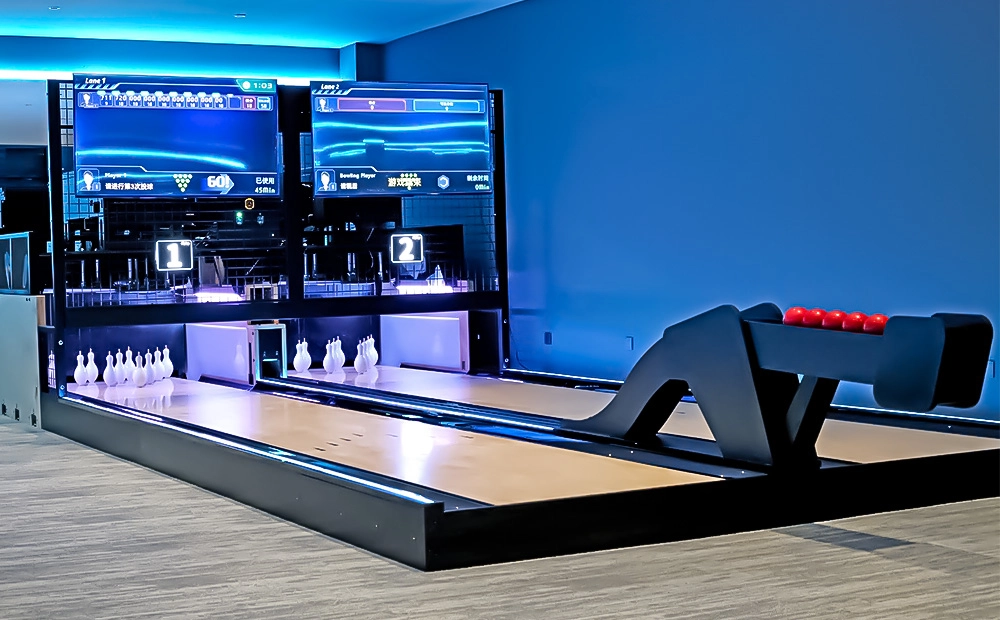
Flying Smart Duckpin Bowling
The innovative design of Flying Smart Duckpin Bowling (FSDB) makes it perfect for places like bars, billiard halls, and game centers. It makes people want to come back more often and spend more money. FSDB is fun and competitive, so it will become a new focus for social activities.
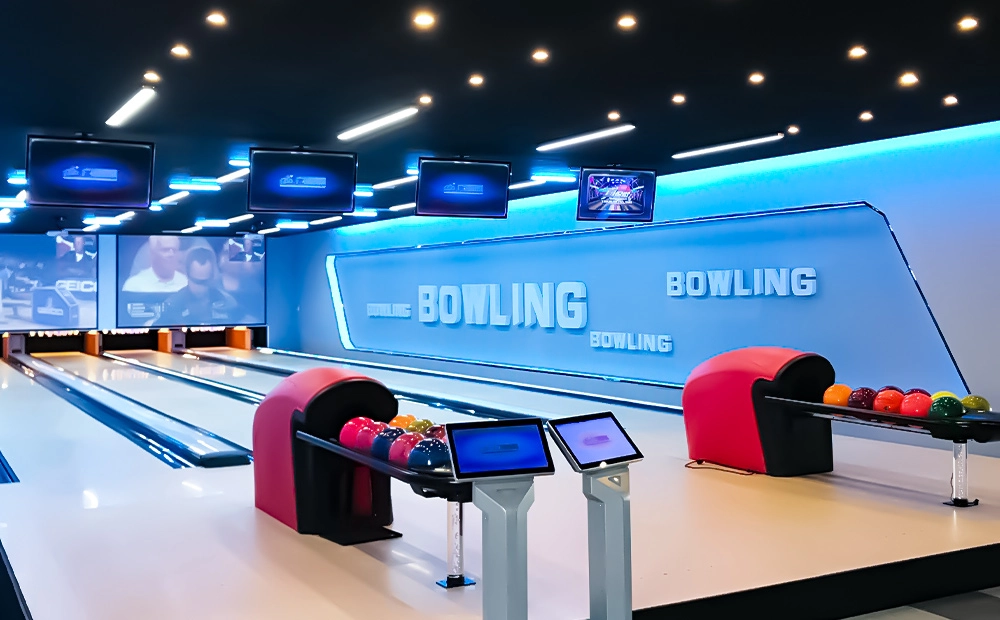
Flying Classic Standard Bowling
Flying Classic Standard Bowling (FCSB) employs the World Standard Competition Scoring System to deliver a more professional bowling experience, enabling bowlers to enjoy a professional-standard match at their convenience.
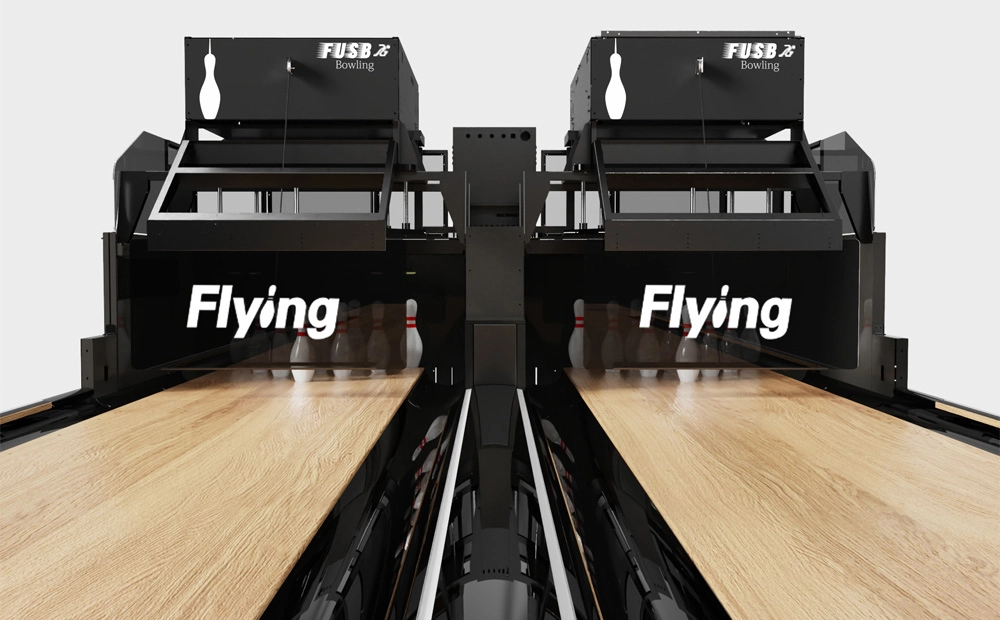
Flying Ultra Standard Bowling
Flying Ultra Standard Bowling (FUSB) Upgraded Version
The string pinsetter uses the latest technology. It offers a more enjoyable bowling experience thanks to its innovative designs and modern technology.
Ready to Build Your Bowling Center?
Share your details, and we’ll provide tailored solutions and expert guidance to help you take your bowling center to the next level.

Professional Bowling Alley Equipment Manufacturer, a one-stop solution provider for bowling alleys.
Facebook
YouTube
Linkedin
Twitter