
















Apa itu bowling duckpin? | Wawasan Utama <span class="notranslate">Flying Bowling</span>
- Pendahuluan — Menghadapi Kesenjangan Pengetahuan Bowling Duckpin
- Apa Itu Bowling Duckpin dan Mengapa Itu Penting?
- Definisi: Apa itu bowling duckpin?
- Mengapa bowling duckpin penting bagi arena dan operatornya?
- Prinsip-Prinsip Inti — Cara Kerja Bowling Duckpin
- Aturan dasar dan cara bermain
- Perlengkapan penting
- Varian regional dan format terkait
- Duckpin vs. Ten-pin vs. Candlepin — Tabel Perbandingan Singkat
- Kriteria Keputusan Utama — Cara Memilih Peralatan Bowling Duckpin
- 1. Jenis mesin penata pin: Tali vs. jatuh bebas
- 2. Tata letak jalur dan persyaratan ruang
- 3. Spesifikasi bola dan pin
- 4. Sistem penilaian dan manajemen
- 5. Sertifikasi, garansi, dan jaringan layanan
- Panduan Praktis — Memasang atau Mengubah Jalur Bowling Menjadi Jalur Duckpin
- Penilaian dan perencanaan
- Pertimbangan Biaya dan ROI
- Tips operasional
- Bagaimana Menilai Kualitas — Apa yang Membuat Peralatan Duckpin Bagus?
- Keandalan dan waktu operasional
- Pengalaman pemain
- Jejak perawatan
- Studi Kasus Bisnis — Mengapa Operator Menambahkan Permainan Bowling Duckpin
- <span class="notranslate">Flying Bowling</span> — Solusi untuk Operator Bowling Duckpin
- Kesimpulan — Poin-Poin Penting tentang Bowling Duckpin
- Pertanyaan yang Sering Diajukan
Pendahuluan — Menghadapi Kesenjangan Pengetahuan Bowling Duckpin
Masalah: Anda pernah mendengar tentang bowling duckpin, tetapi Anda tidak yakin bagaimana perbedaannya dengan bowling sepuluh pin tradisional, peralatan apa yang dibutuhkan, atau apakah arena bowling Anda perlu menambahkan jalur duckpin. Ketidakpastian ini dapat menyebabkan pembelian yang salah atau kehilangan peluang bisnis.
Agitate: Memilih mesin penata pin, pengembalian bola, atau tata letak lintasan yang salah dapat meningkatkan biaya perawatan, menurunkan pengalaman pemain, dan mengurangi pengembalian investasi. Bagi operator dan penggemar bowling, informasi yang tidak lengkap atau tidak akurat menyebabkan kesalahan yang mahal.
Solusi: Panduan komprehensif ini menjawab pertanyaan “apa itu bowling duckpin?” mulai dari aturan dan peralatan hingga kriteria pemasangan dan pemilihan vendor—didukung oleh sumber-sumber terpercaya dan saran praktis untuk operator. Jika Anda membutuhkan peralatan atau solusi lengkap untuk arena bowling duckpin, <span class="notranslate">Flying Bowling</span> menawarkan sistem bersertifikasi dan dapat disesuaikan serta dukungan lokal.
Apa Itu Bowling Duckpin dan Mengapa Itu Penting?
Definisi: Apa itu bowling duckpin?
Bowling duckpin adalah varian bowling yang dimainkan dengan bola yang lebih kecil dan dipegang dengan tangan, serta pin yang lebih pendek dan gemuk. Pemain melempar hingga tiga bola per frame untuk menjatuhkan kesepuluh pin. Duckpin terutama dimainkan di wilayah timur laut Amerika Serikat dan dihargai karena kemudahan akses dan kecepatan permainannya yang lebih cepat. Untuk gambaran umum, lihat entri Wikipedia tentang bowling duckpin:Bowling Duckpin — Wikipedia.
Mengapa bowling duckpin penting bagi arena dan operatornya?
Duckpin menarik bagi khalayak yang lebih luas: pemain kasual, keluarga, lansia, dan tempat-tempat di mana peralatan yang ringkas dan mudah digunakan menurunkan hambatan masuk. Permainan ini melengkapi jalur sepuluh pin sebagai penawaran tambahan yang dapat meningkatkan jumlah pengunjung, mendiversifikasi pendapatan (permainan dadakan, liga, acara), dan memperpanjang pemanfaatan jalur selama jam-jam di luar jam sibuk. Bagi operator yang mempertimbangkan diversifikasi, duckpin adalah cara yang hemat biaya untuk memperluas daya tarik tanpa mengharuskan pemain untuk mempelajari teknik yang rumit.
Prinsip-Prinsip Inti — Cara Kerja Bowling Duckpin
Aturan dasar dan cara bermain
- Setiap permainan terdiri dari sepuluh frame.
- Pemain memiliki hingga tiga bola per frame untuk menjatuhkan kesepuluh pin (berbeda dengan dua bola pada permainan sepuluh pin).
- Strike (menjatuhkan semua pin dengan bola pertama) mendapat skor 10 ditambah jumlah pin dari dua bola berikutnya; spare (semua pin jatuh dalam satu frame) mendapat skor 10 ditambah jumlah pin dari bola berikutnya—sesuai dengan prinsip penilaian tradisional tetapi diadaptasi untuk tiga lemparan.
- Bola-bola ini cukup kecil untuk dipegang di telapak tangan (biasanya tanpa lubang jari) dan ringan, sehingga mudah diakses oleh pemain muda maupun senior.
Perlengkapan penting
Komponen utama peralatan duckpin meliputi:
- Pin duckpin (lebih pendek dan lebih gemuk daripada pin ten-pin).
- Bola yang lebih kecil dan ringan (seukuran telapak tangan).
- Mesin penata pin yang disesuaikan dengan dimensi pin bebek (desain tali atau jatuh bebas).
- Permukaan lintasan dan pola oli serupa dengan lintasan bowling sepuluh pin; garis pelanggaran dan panjang lintasan umumnya tetap sama.
- Sistem penilaian yang disesuaikan dengan frame tiga bola dan aturan penilaian duckpin.
Varian regional dan format terkait
Duckpin adalah salah satu dari beberapa format permainan bola kecil. Candlepin adalah permainan yang terkait tetapi berbeda, dimainkan dengan bola yang lebih kecil dan pin yang lebih tinggi dan lebih tipis. Aturan dan peralatan bervariasi di berbagai wilayah, jadi operator harus memverifikasi preferensi lokal sebelum berinvestasi. Untuk perbedaan antar format, lihat perbandingan variasi bowling:Bowling — Wikipedia.
Duckpin vs. Ten-pin vs. Candlepin — Tabel Perbandingan Singkat
| Fitur | Sepuluh pin | Duckpin | Candlepin |
|---|---|---|---|
| Ukuran bola (kira-kira) | Diameter 8,5–8,59 inci; berat hingga 16 pon. | Diameter 4,75–5,25 inci; biasanya berat 3–4 pon (seukuran telapak tangan) | Diameter 4,5–5 inci; berat sekitar 2,5–3,5 pon. |
| Pin | Pin standar yang lebih tinggi | Bentuk "bebek" yang lebih pendek dan lebih gemuk | Jarum silindris tinggi dan sempit |
| Gulungan per bingkai | 2 | 3 | 3 |
| Wilayah bermain tipikal | Seluruh dunia | Amerika Serikat bagian timur laut (regional) | New England, Kanada (regional) |
Sumber: detail format dariBowling Duckpin — Wikipediadan format bowling umum padaBowling — Wikipedia.
Kriteria Keputusan Utama — Cara Memilih Peralatan Bowling Duckpin
1. Jenis mesin penata pin: Tali vs. jatuh bebas
Mesin pengatur pin adalah pembelian modal paling penting. Mesin pengatur pin jatuh bebas tradisional (yang digunakan di sepuluh pin) rumit dan berat. Mesin pengatur pin tali menggunakan tali yang diikatkan ke setiap pin dan menawarkan biaya lebih rendah, perawatan lebih sederhana, dan pengoperasian lebih aman—sehingga menarik untuk konversi duckpin dan tempat yang berorientasi keluarga. <span class="notranslate">Flying Bowling</span> memproduksi mesin pengatur pin tali bersertifikat yang dirancang untuk jalur duckpin dan dapat memberikan dukungan lokal melalui divisi Eropanya. Informasi lebih lanjut tentang manfaat dan desain mesin pengatur pin tali dapat ditemukan di sumber daya produsen:Bowling Terbang.
2. Tata letak jalur dan persyaratan ruang
Lintasan duckpin biasanya menggunakan panjang lintasan yang sama (60 kaki dari garis foul ke headpin) seperti ten-pin, sehingga lintasan yang sudah ada seringkali dapat diubah dengan perubahan struktural minimal. Meskipun demikian, pertimbangkan area pendekatan, jalur pengembalian bola, dan tempat duduk. Konfirmasikan pelumasan lintasan Anda saat ini dan kompatibilitas permukaan dengan bola duckpin—perbedaan gesekan permukaan mungkin memerlukan sedikit penyesuaian.
3. Spesifikasi bola dan pin
Pastikan diameter, berat, dan bahan bola sesuai dengan standar duckpin. Pin harus sesuai dengan spesifikasi tinggi dan diameter alas duckpin agar permainan tetap autentik. Menggunakan pin yang tidak sesuai dapat mengubah perilaku lubang dan keadilan penilaian skor.
4. Sistem penilaian dan manajemen
Sistem penilaian harus mendukung bingkai tiga putaran dan logika penilaian duckpin. Banyak sistem penilaian modern menawarkan jenis permainan yang dapat dikonfigurasi; verifikasi preset duckpin dan alat manajemen liga. Analisis waktu nyata (tingkat hit, skor rata-rata) berguna bagi operator untuk menetapkan harga dan promosi.
5. Sertifikasi, garansi, dan jaringan layanan
Pilihlah peralatan yang bersertifikasi standar keselamatan dan elektronik yang diakui (CE, RoHS) dan didukung oleh tim layanan yang responsif. Peralatan <span class="notranslate">Flying Bowling</span> memiliki sertifikasi CE dan RoHS serta didukung oleh ruang pamer permanen di Eropa dan dukungan teknis 24/7 untuk layanan lokal.
Panduan Praktis — Memasang atau Mengubah Jalur Bowling Menjadi Jalur Duckpin
Penilaian dan perencanaan
1. Periksa jalur yang ada dan dimensi area mesin pinset.
2. Putuskan antara membangun jalur bowling duckpin khusus atau solusi bowling ten-pin/duckpin yang dapat diubah.
3. Perkirakan lalu lintas pejalan kaki dan peningkatan pendapatan—permainan duckpin sering menarik minat keluarga dan liga senior, sehingga meningkatkan penggunaan di siang hari.
Pertimbangan Biaya dan ROI
Biaya tergantung pada apakah Anda membeli jalur baru, mengubah jalur yang sudah ada, atau membeli mesin penata pin tali. Mesin penata pin tali dan komponen kompak biasanya mengurangi biaya awal dan perawatan. Pertimbangkan pendapatan promosi—liga duckpin dan acara butik dapat menghasilkan aliran pendapatan tambahan (makanan & minuman, pemesanan pesta).
Tips operasional
- Latih staf tentang aturan duckpin dan penanganan peralatan—bingkai tiga bola menghasilkan pola jatuhnya pin yang berbeda.
- Promosikan malam bermain duckpin untuk keluarga dan pemula—tawarkan diskon sewa sepatu/bola dan pelajaran.
- Pantau keausan pin dan sesuaikan pola oli untuk permainan yang konsisten dengan bola yang lebih ringan.
Bagaimana Menilai Kualitas — Apa yang Membuat Peralatan Duckpin Bagus?
Keandalan dan waktu operasional
Peralatan berkualitas meminimalkan waktu henti dan kunjungan servis. Carilah produsen dengan basis instalasi yang terbukti dan persediaan suku cadang yang mudah diakses. <span class="notranslate">Flying Bowling</span> memasok arena bowling di seluruh dunia, memproduksi lebih dari 2.000 jalur setiap tahun dan mengoperasikan bengkel seluas 10.000 m² untuk memastikan ketersediaan suku cadang.
Pengalaman pemain
Peralatan yang baik menghasilkan aksi pin yang konsisten, pengembalian bola yang andal, dan tampilan skor yang intuitif. Cobalah jalur demo dan mintalah instalasi percobaan atau referensi dari operator duckpin lainnya.
Jejak perawatan
Evaluasilah persyaratan perawatan rutin dan ketersediaan dukungan teknis lokal. Mesin penata pin tali biasanya membutuhkan perawatan mekanis yang lebih sederhana daripada sistem jatuh bebas.
Studi Kasus Bisnis — Mengapa Operator Menambahkan Permainan Bowling Duckpin
- Bedakan fasilitas Anda dan tarik pelanggan yang berorientasi keluarga.
- Menawarkan akses bermain yang lebih mudah bagi pemain bowling kasual dan lansia.
- Gunakan bola yang lebih kecil dan peralatan yang lebih ringan untuk mengurangi keausan pada sistem sepuluh pin yang digunakan dalam kondisi berat.
- Menyelenggarakan liga dan acara duckpin untuk mengisi jadwal siang hari dan meningkatkan pendapatan berulang.
<span class="notranslate">Flying Bowling</span> — Solusi untuk Operator Bowling Duckpin
Sejak tahun 2005, <span class="notranslate">Flying Bowling</span> telah meneliti dan mengembangkan peralatan bowling canggih, termasuk mesin penata pin, sistem pengembalian bola, sistem penilaian, dan pembangunan jalur bowling siap pakai. Kami mendesain dan memodernisasi jalur bowling standar dan duckpin, dengan sertifikasi CE dan RoHS serta bengkel seluas 10.000 meter persegi untuk mendukung produksi dan suku cadang.
Layanan utama meliputi:
- Desain dan konstruksi lintasan duckpin kustom.
- Pembuatan dan penyediaan mesin penata pin bowling duckpin dan sistem pengembalian bola.
- Sistem penilaian yang dapat dikonfigurasi dan mendukung aturan duckpin.
- Dukungan cabang Eropa dengan ruang pamer dan bantuan teknis 24/7 untuk layanan lokal.
Pelajari selengkapnya diBowling Terbangatau hubungi Jackson dijackson@flyingbowling.comuntuk proposal khusus.
Kesimpulan — Poin-Poin Penting tentang Bowling Duckpin
Bowling duckpin adalah varian bowling yang mudah diakses dan bertempo cepat, ideal untuk hiburan keluarga dan tempat hiburan yang ingin memperluas basis pelanggan mereka. Permainan ini menggunakan bola yang lebih kecil dan pin yang lebih pendek, memungkinkan tiga lemparan per frame, dan seringkali dapat ditambahkan ke jalur bowling yang sudah ada dengan pemilihan peralatan yang tepat—terutama mesin penata pin dan sistem penilaian khusus duckpin. Memilih pemasok bersertifikat dengan dukungan dan pengalaman lokal (seperti <span class="notranslate">Flying Bowling</span> ) mengurangi risiko dan meningkatkan waktu operasional. Baik Anda mengoperasikan pusat bowling yang sudah mapan atau tempat hiburan yang lebih kecil, bowling duckpin adalah cara yang terbukti untuk mendiversifikasi penawaran dan meningkatkan jumlah pemain.
Bacaan lebih lanjut dan referensi yang berwenang:Bowling Duckpin — WikipediaInformasi umum tentang bowling:Bowling — Wikipedia.
Pertanyaan yang Sering Diajukan
Apa perbedaan utama antara bowling duckpin dan ten-pin? Duckpin menggunakan bola yang jauh lebih kecil dan pin yang lebih pendek dan gemuk, serta memungkinkan hingga tiga lemparan per frame. Ten-pin menggunakan bola yang lebih besar dan lebih berat serta dua lemparan per frame. Panjang lintasan permainan biasanya sama, tetapi dimensi pin dan bola berbeda secara signifikan (sumber:Wikipedia).
Apakah bowling duckpin lebih sulit daripada bowling ten-pin? Bowling duckpin bisa lebih menantang untuk mendapatkan skor tinggi karena bola yang lebih kecil dan pin yang lebih pendek mengurangi jarak lemparan pin. Namun, karena pemain mendapatkan tiga lemparan per frame, pengalaman ini lebih mudah bagi pemula. Persepsi kesulitan bergantung pada keterampilan dan keakraban pemain.
Bisakah saya mengubah jalur bowling sepuluh pin yang sudah ada menjadi jalur duckpin? Ya—banyak fasilitas mengubah jalur yang sudah ada menjadi jalur duckpin dengan memasang pin duckpin, bola yang lebih kecil, mesin penata pin yang sesuai (seringkali mesin penata pin tali), dan memperbarui perangkat lunak penilaian. Panjang jalur struktural biasanya tetap tidak berubah, tetapi konsultasikan dengan pemasok yang memenuhi syarat untuk survei lokasi (misalnya,Bowling Terbang).
Jenis mesin penata pin apa yang terbaik untuk arena duckpin? Mesin penata pin tipe string umumnya direkomendasikan untuk konversi arena duckpin karena hemat biaya, lebih mudah dirawat, dan cocok untuk pin yang lebih ringan. Namun, pemilihan harus didasarkan pada anggaran, keaslian yang diinginkan, dan kemampuan perawatan.
Apakah lintasan duckpin diatur oleh organisasi yang sama dengan bowling sepuluh pin? Duckpin kurang diatur secara universal dibandingkan bowling sepuluh pin; banyak liga duckpin menetapkan aturan lokal mereka sendiri. Regulasi dan sertifikasi bowling sepuluh pin diatur oleh organisasi seperti United States Bowling Congress (USBC). Untuk detail spesifik duckpin, konsultasikan dengan asosiasi dan pemasok duckpin setempat.
Berapa banyak ruang dan anggaran yang harus saya rencanakan untuk menambahkan jalur duckpin? Persyaratan ruang sama seperti jalur ten-pin dalam hal panjang (sekitar 60 kaki dari garis foul ke headpin), tetapi anggaran sangat bervariasi tergantung pada apakah Anda mengubah jalur yang sudah ada atau membangun yang baru dan pada teknologi pinsetter yang dipilih. Mintalah evaluasi lokasi dan penawaran terperinci dari pemasok berpengalaman untuk menentukan biaya yang tepat.
Apakah anak-anak dan lansia dapat dengan mudah bermain bowling duckpin? Ya. Bola duckpin yang lebih ringan dan berukuran sebesar telapak tangan, serta rangka tiga rol yang mudah dikendalikan, membuatnya sangat cocok untuk anak-anak, lansia, dan pemain kasual yang lebih menyukai pengalaman yang tidak terlalu menuntut fisik.
Apakah <span class="notranslate">Flying Bowling</span> menyediakan dukungan untuk pengaturan liga duckpin? Ya. <span class="notranslate">Flying Bowling</span> menawarkan solusi lengkap termasuk peralatan, sistem penilaian, dan dukungan teknis berkelanjutan. Hubungi Jackson dijackson@flyingbowling.comatau kunjungiflybowling.comuntuk lebih jelasnya.
Membeli Peralatan Bowling Berkualitas
Teknologi
Bagaimana tingkat otomatisasi peralatannya? Apakah mendukung penilaian otomatis, pengembalian bola otomatis, dan fungsi lainnya?
Sepenuhnya otomatis. Peralatan kami dilengkapi dengan sistem penilaian cerdas independen, serta fungsi pengembalian dan pengembalian bola otomatis untuk memastikan permainan berjalan lancar, yang sangat meningkatkan pengalaman pengguna dan mengurangi biaya tenaga kerja serta kesulitan perawatan.
Apakah produk Anda mematuhi standar keselamatan Eropa?
Ya, semua produk kami memenuhi standar keselamatan dan peraturan UE yang disyaratkan.
Produk
Bagaimana menangani perbedaan standar daya/spesifikasi di berbagai negara?
Dukungan 110V—Adaptasi tegangan 240V, mematuhi sertifikasi keselamatan internasional seperti CE/UL, dan menyediakan layanan transformasi standar lokal.
Melayani
Jika terjadi masalah pada peralatan, berapa lama waktu yang Anda perlukan untuk meresponsnya?
Kami berjanji memberikan solusi dalam waktu 12 jam (24 jam untuk pelanggan luar negeri), dan kegagalan serius akan ditangani terlebih dahulu.
Apakah ada layanan pelatihan atau panduan untuk membantu pelanggan menggunakan peralatan dengan lebih baik?
Pelatihan gratis di tempat atau jarak jauh, dengan manual pengoperasian dwibahasa Mandarin-Inggris + tabel referensi cepat kode kesalahan untuk membantu pelanggan menggunakan peralatan dengan lebih baik.
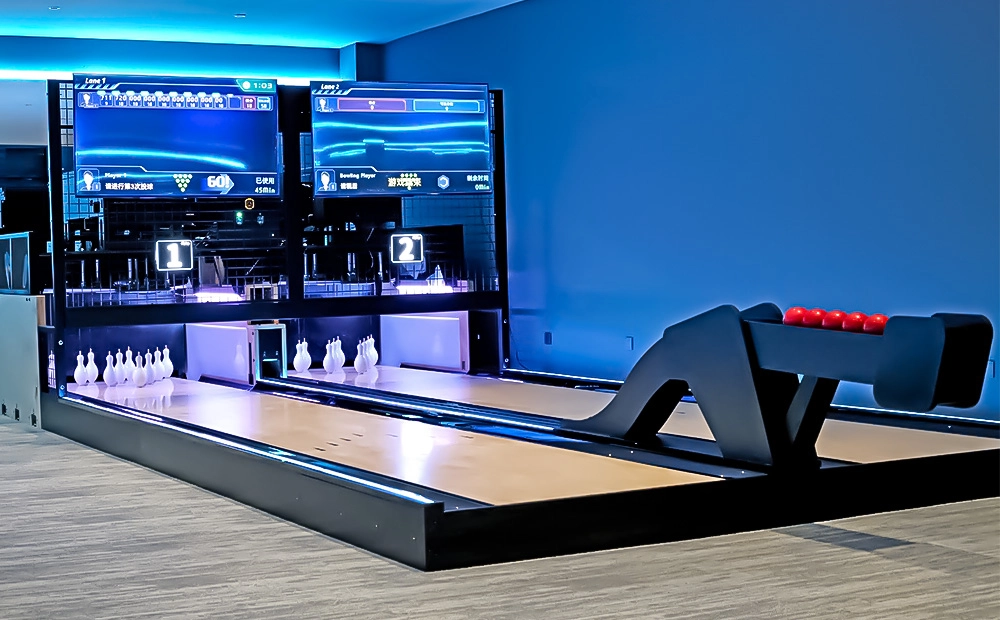
Bowling Duckpin Terbang Cerdas
Desain inovatif Flying Smart Duckpin Bowling (FSDB) menjadikannya sempurna untuk tempat-tempat seperti bar, arena biliar, dan pusat permainan. Hal ini membuat orang ingin kembali lebih sering dan menghabiskan lebih banyak uang. FSDB menyenangkan dan kompetitif, sehingga akan menjadi fokus baru untuk kegiatan sosial.
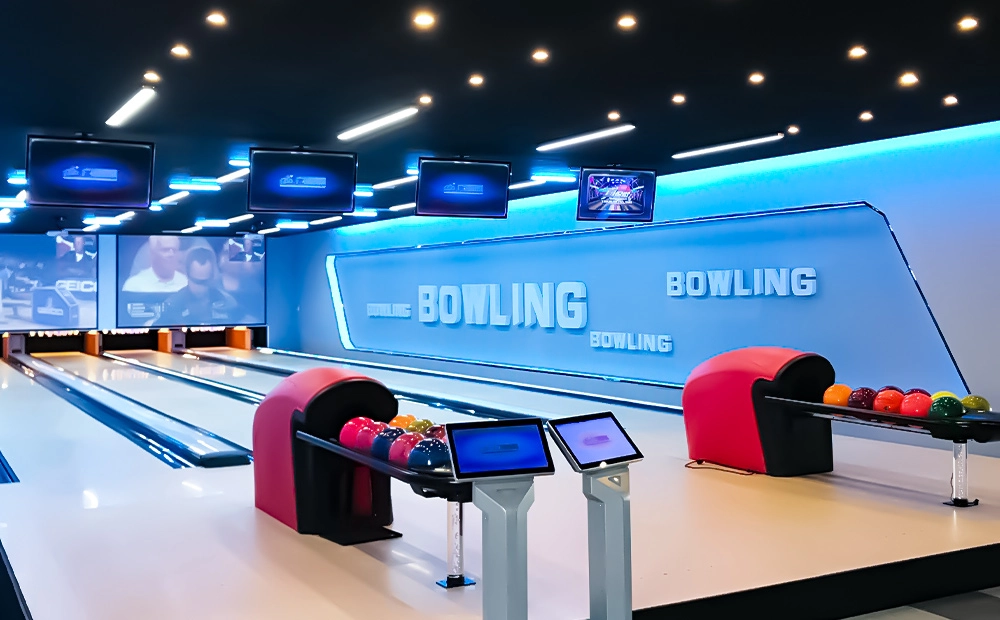
Bowling Standar Klasik Terbang
Flying Classic Standard Bowling (FCSB) menggunakan Sistem Penilaian Kompetisi Standar Dunia untuk memberikan pengalaman bowling yang lebih profesional, yang memungkinkan para bowler menikmati pertandingan berstandar profesional sesuai keinginan mereka.
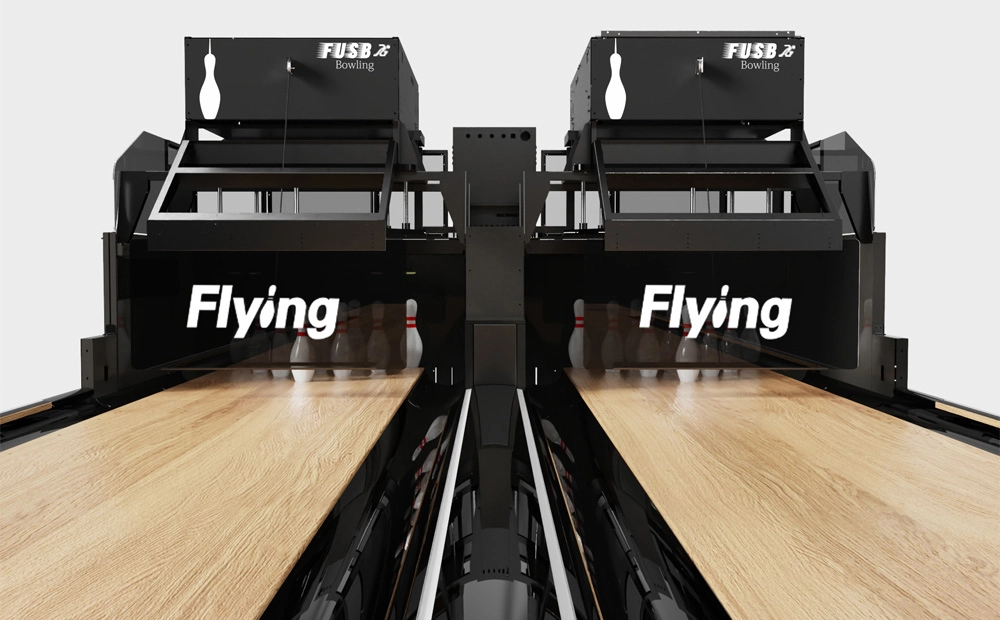
Bowling Standar Ultra Terbang
Flying Ultra Standard Bowling (FUSB) Versi Peningkatan
Pinsetter senar menggunakan teknologi terkini. Berkat desain inovatif dan teknologi modernnya, pengalaman bowling Anda akan semakin menyenangkan.
Siap Membangun Pusat Bowling Anda?
Bagikan detail Anda, dan kami akan memberikan solusi khusus dan panduan ahli untuk membantu Anda membawa pusat bowling Anda ke tingkat berikutnya.

Produsen Peralatan Arena Bowling Profesional, penyedia solusi lengkap untuk arena bowling.
© 2025 FLYING BOWLING Hak Cipta Dilindungi Undang-Undang. Didukung oleh gooeyun.PribadiBahasa Indonesia: |KetentuanBahasa Indonesia: |Peta Situs
Facebook
YouTube
LinkedIn
Twitter