














how to choose a ten-pin bowling ball weight | Insights by Flying Bowling
- How to Choose the Right Ten-Pin Bowling Ball Weight: A Comprehensive Guide
- 1. What is the recommended weight for a ten-pin bowling ball?
- 2. How do I determine if a ball is too heavy or too light?
- 3. How does my physical strength influence the choice of ball weight?
- 4. How does experience level affect the choice of ball weight?
- 5. Are there specific recommendations for children and seniors?
- 6. How can I test different ball weights to find the right one?
- 7. How does ball weight affect maintenance and care?
- 8. What are the benefits of using a heavier or lighter ball?
- Conclusion
- Why Choose Flying Bowling?
How to Choose the Right Ten-Pin Bowling Ball Weight: A Comprehensive Guide
Selecting the appropriate weight for your ten-pin bowling ball is essential for enhancing your performance and preventing potential injuries. This guide addresses common questions and offers expert advice to assist you in making an informed decision.
1. What is the recommended weight for a ten-pin bowling ball?
Bowling balls typically range from 6 to 16 pounds. A common guideline is to choose a ball that weighs approximately 10% of your body weight, up to a maximum of 16 pounds. For instance, if you weigh 150 pounds, a 15-pound ball would be a suitable starting point. However, this is just a guideline, and personal comfort and control are paramount.
2. How do I determine if a ball is too heavy or too light?
Too Heavy:
- Difficulty lifting or swinging the ball.
- Quick fatigue during play.
- Swing feels forced or jerky.
- Consistent timing issues.
Too Light:
- Lack of power or pin action.
- Ball deflects off pins easily.
- Overthrowing or loss of control upon release.
- Feels like a toy rather than a tool.
It's crucial to select a weight that allows for a smooth and controlled swing, ensuring accuracy and consistency in your game.
3. How does my physical strength influence the choice of ball weight?
Your strength and comfort play significant roles in determining the appropriate ball weight:
Less Strength or Smaller Hands:
- Opt for lighter balls, typically between 6 to 12 pounds.
Greater Strength or Larger Hands:
- Consider heavier balls, ranging from 13 to 16 pounds, to maximize power and control.
Starting with a lighter ball can help you develop proper technique and avoid strain. As you become more comfortable, you can gradually transition to a heavier ball.
4. How does experience level affect the choice of ball weight?
Beginners:
- Should start with lighter balls (6 to 12 pounds) to focus on control and form.
Intermediate to Advanced Bowlers:
- May prefer heavier balls (13 to 16 pounds) to achieve greater power and pin action.
It's essential to choose a weight that complements your skill level and playing style.
5. Are there specific recommendations for children and seniors?
Children:
- Should use lighter balls, typically between 6 to 10 pounds, depending on their size and strength.
Seniors:
- May benefit from lighter balls to reduce strain and maintain control.
It's important to select a ball weight that ensures comfort and safety for younger and older players.
6. How can I test different ball weights to find the right one?
When at the bowling alley:
Lift the Ball:
- Ensure you can lift it comfortably without strain.
Swing the Ball:
- Practice swinging it gently to assess control and comfort.
Practice Throws:
- Roll a few frames to evaluate performance and comfort.
Adjust the weight as needed based on these assessments to find the optimal ball for your game.
7. How does ball weight affect maintenance and care?
Heavier Balls (15-16 lbs):
- Require more frequent cleaning due to increased oil absorption.
- Regularly check for balance issues.
- Store on rotating racks to prevent flat spots.
Medium Weight Balls (13-14 lbs):
- Standard cleaning routine is sufficient.
- Regular surface maintenance is recommended.
Lighter Balls (12 lbs and under):
- Less oil absorption but still need regular cleaning.
- More frequent checks for hook potential.
- Extra attention to thumb hole wear.
Proper maintenance ensures optimal performance and longevity of your bowling ball.
8. What are the benefits of using a heavier or lighter ball?
Heavier Balls:
- Provide more hitting power and driving force.
- Offer more pin action.
- Suitable for experienced bowlers seeking greater control.
Lighter Balls:
- Easier to control and less tiring.
- Good for beginners or those with less strength.
- Allow for more revs and hook potential.
Choosing the right weight balances power and control, enhancing your overall performance.
Conclusion
Selecting the right ten-pin bowling ball weight is a personal decision that depends on various factors, including your physical strength, experience level, and playing style. It's essential to choose a weight that allows for comfort, control, and optimal performance. Remember to listen to your body and adjust as needed to ensure an enjoyable and injury-free bowling experience.
Why Choose Flying Bowling?
At Flying Bowling, we understand the importance of selecting the right equipment to enhance your bowling experience. Our range of high-quality bowling balls caters to all skill levels and preferences, ensuring you find the perfect fit for your game. With expert advice, personalized service, and a commitment to quality, Flying Bowling is your trusted partner in the bowling world.
For more information or to explore our products, visit our website or contact our customer service team today.
Quality Bowling

Installations
How long does it take to install the equipment?
It takes about 7-15 days for a standard venue, and it takes an average of 2 days to install a fairway.
Do you provide technical support after the installation?
Absolutely. We offer ongoing technical support, including regular maintenance and emergency repair services.
Company
Are there any successful cases for reference?
We have built a variety of projects such as commercial venues, hotel entertainment centers, etc. for global customers. The case library can be provided in a targeted manner (including pictures/videos)
Products
Can I customize the bowling equipment to fit my venue's theme?
Yes, we offer fully customized solutions, including lane colors, scoring systems, and pinsetter designs to match your venue’s theme.
Technology
Is there any charge for remote technical guidance?
Free lifetime remote video diagnostic service to quickly resolve software/settings issues
You May Also Like
Flying Smart Duckpin Bowling
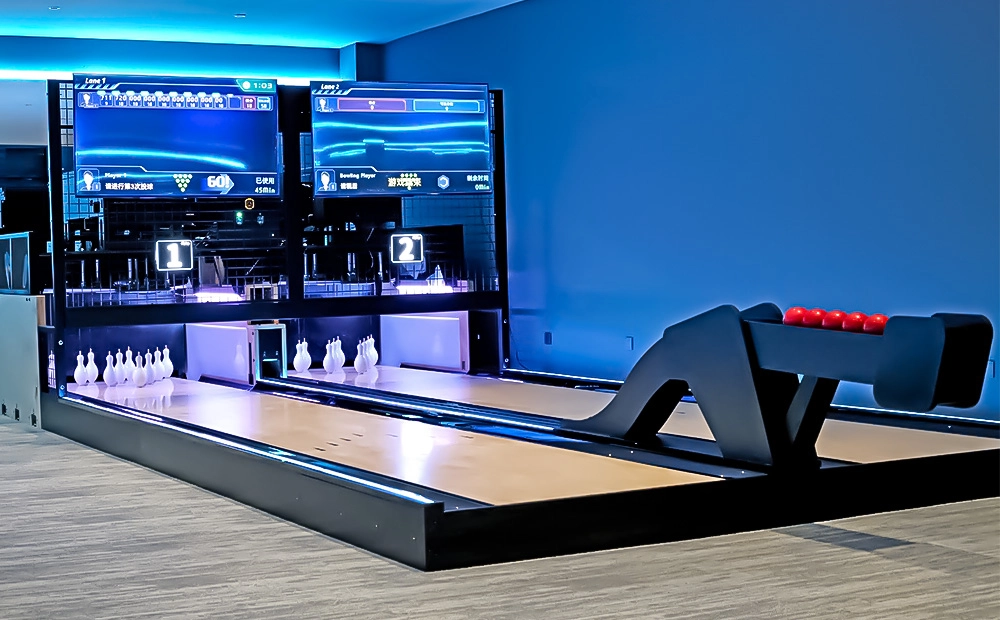
The innovative design of Flying Smart Duckpin Bowling (FSDB) makes it perfect for places like bars, billiard halls, and game centers. It makes people want to come back more often and spend more money. FSDB is fun and competitive, so it will become a new focus for social activities.
Flying Classic Standard Bowling
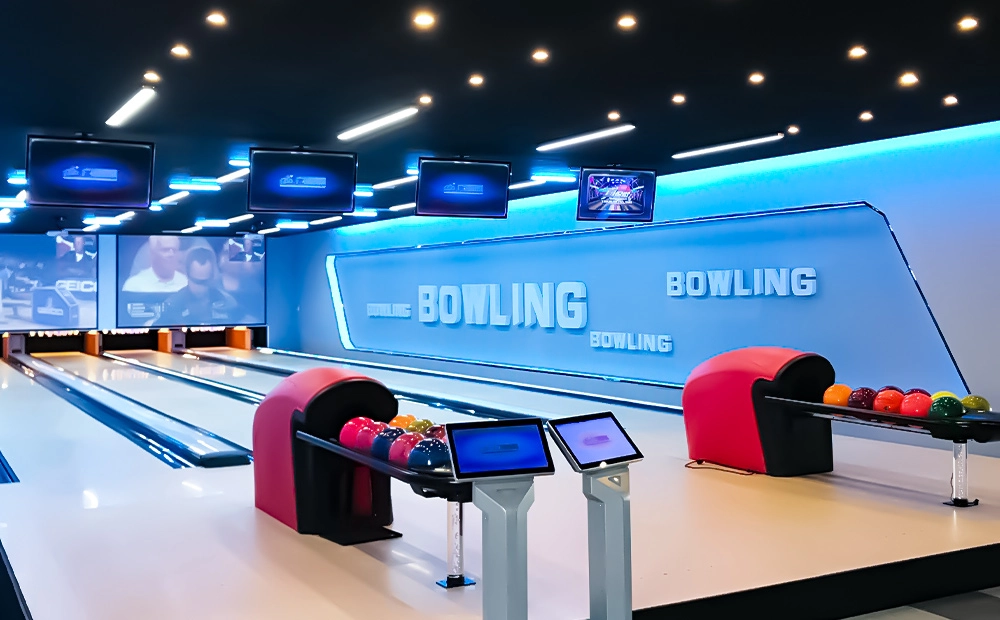
Flying Classic Standard Bowling (FCSB) employs the World Standard Competition Scoring System to deliver a more professional bowling experience, enabling bowlers to enjoy a professional-standard match at their convenience.
Flying Ultra Standard Bowling
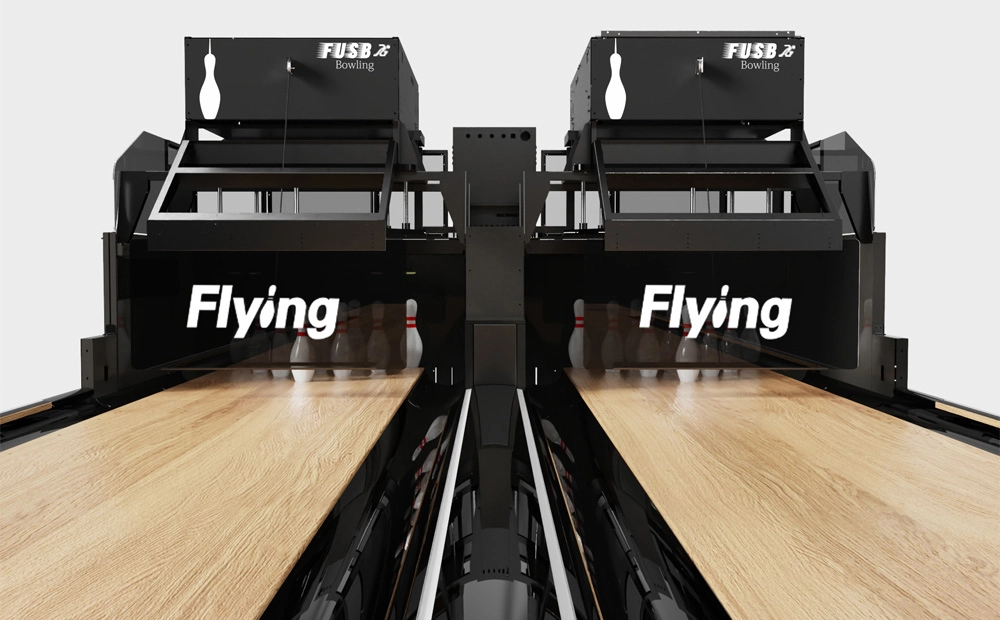
Flying Ultra Standard Bowling (FUSB) Upgraded Version
The string pinsetter uses the latest technology. It offers a more enjoyable bowling experience thanks to its innovative designs and modern technology.

Get in touch
Contact us
If you contact us now for more details, we can provide you with a custom bowling alley service.
Our service team will get back to you within 24 hours, normally!



Professional Bowling Alley Equipment Manufacturer, a one-stop solution provider for bowling alleys.
Facebook
YouTube
Linkedin
Twitter