















Maintenance Tips for Flying Classic Standard Bowling Systems
- Maintenance Tips for Flying Classic Standard Bowling Systems
- Understanding the Flying Classic Standard Bowling and buying options for bowling alley equipment for sale
- Why regular maintenance matters when evaluating bowling alley equipment for sale
- Daily maintenance checklist for Flying Classic Standard Bowling operators
- Weekly and monthly maintenance procedures for Flying Classic Standard Bowling
- Lubrication, pinsetter and lane surface care for systems marketed as bowling alley equipment for sale
- Electrical, software and the World Standard Competition Scoring System upkeep
- Common problems and troubleshooting guide for Flying Classic Standard Bowling
- Parts replacement, inventory and sourcing strategies for facilities buying bowling alley equipment for sale
- When to call a professional technician and warranty considerations for FCSB
- Brand advantages: Why Flying Classic Standard Bowling stands out among bowling alley equipment for sale
- Cost-saving tips and extending the service life of your FCSB
- FAQ
- Q: How often should I recoat or refinish lane surfaces on FCSB systems?
- Q: Can I perform all maintenance myself or do I need certified technicians?
- Q: What spare parts should I keep on-site when buying bowling alley equipment for sale like FCSB?
- Q: How do I ensure the World Standard Competition Scoring System remains compliant for tournaments?
- Q: Where can I buy replacement parts or get certified service for my FCSB?
- Authoritative references
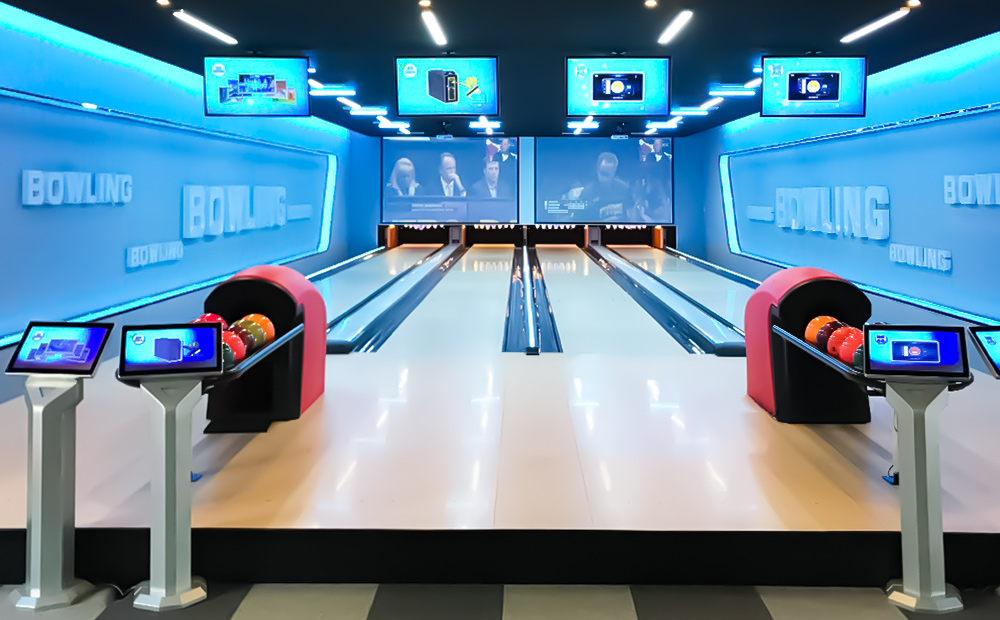
Maintenance Tips for Flying Classic Standard Bowling Systems
Understanding the Flying Classic Standard Bowling and buying options for bowling alley equipment for sale
Flying Classic Standard Bowling (FCSB) employs the World Standard Competition Scoring System to deliver a more professional bowling experience, enabling bowlers to enjoy a professional-standard match at their convenience.
The FCSB is a complete lane system that combines lane surfaces, pinsetters, ball returns, and the competition-grade scoring engine. For operators searching for bowling alley equipment for sale, understanding the FCSB components and their maintenance needs is the first step to protecting your investment and ensuring continuous high-quality play.
Why regular maintenance matters when evaluating bowling alley equipment for sale
When you purchase bowling alley equipment for sale such as the FCSB, maintenance directly affects safety, uptime, player experience, and long-term costs. Routine care reduces unexpected breakdowns, preserves lane surface quality, and ensures the World Standard Competition Scoring System remains accurate and compliant with competitive standards. Good maintenance also preserves resale value when you later upgrade or sell lanes.
Daily maintenance checklist for Flying Classic Standard Bowling operators
Daily checks are quick tasks that prevent small issues from becoming downtime incidents. Operators who proactively perform daily maintenance find fewer lane closures and better guest satisfaction—important when evaluating or promoting bowling alley equipment for sale.
- Visual walkthrough: Inspect lanes, approaches, gutters, pin deck area and ball returns for debris or foreign objects.
- Power and scoring diagnostics: Boot the scoring system, verify all lane displays register and perform a quick test game to confirm World Standard Competition Scoring System functionality.
- Pinsetter checks: Observe a few cycles for unusual noises, missed pins, or jamming. Clear any visible debris.
- Ball return and feeder inspection: Look for worn belts, loose guides or ball jams. Remove and test one ball per lane return.
- Surface cleanliness: Wipe the approach and lane foul line area to remove oil drips and dust.
- Environment check: Ensure temperature and humidity are stable—ideally 65–75°F and relative humidity 40–50%—to protect wood/urethane lane surfaces and electronics.
Weekly and monthly maintenance procedures for Flying Classic Standard Bowling
These tasks require slightly more time and often minimal tools. Regular weekly and monthly routines extend equipment life and maximize performance for any facility listing or considering bowling alley equipment for sale.
- Lane conditioning: Check oiling machine calibration, ensure oil patterns are correct for the event, and clean the applicator rollers.
- Pinsetter lubrication: Grease manufacturer-specified points (typically weekly to monthly depending on use) and inspect chains and sprockets for wear.
- Sensor and switch cleaning: Clean optical sensors, limit switches, and photoeyes with appropriate electronics-safe cleaners.
- Scoring backups: Export and back up scoring configurations and lane settings; test restore of a backup at least monthly.
- Replace small consumables: Light bulbs, fuses and scoreboard LEDs; maintain a stock to minimize downtime for prospective customers viewing bowling alley equipment for sale.
Lubrication, pinsetter and lane surface care for systems marketed as bowling alley equipment for sale
Proper lubrication and lane surface care are critical to both play consistency and equipment longevity—key selling points when advertising bowling alley equipment for sale. Follow manufacturer recommendations for lubricants and cleaning agents. Incorrect oils can damage lane finishes or affect ball reaction unpredictably.
- Pinsetter lubrication: Use manufacturer-recommended grease at service intervals. Inspect clutch shoes and cams; replace worn parts before failure.
- Lane oil and maintenance: Use a commercial lane dressing product approved by the lane surface manufacturer. Avoid household cleaners. Maintain oil pattern machine calibration and perform a full lane strip and recoat annually or per usage.
- Approach and foul line maintenance: Clean with approved cleaners daily; recoat approaches annually to maintain consistent friction and safety.
Electrical, software and the World Standard Competition Scoring System upkeep
Scoring system reliability is central to the FCSB value proposition. Maintaining both the hardware and software of the World Standard Competition Scoring System keeps matches fair and reduces customer complaints—particularly important for operators advertising bowling alley equipment for sale to leagues and tournaments.
- Software updates: Apply vendor-provided updates to scoring firmware and any connected kiosk software. Test updates in a single lane before full deployment.
- Network hygiene: Keep the scoring machines on a secure, preferably wired, local network. Use a UPS for critical scoring and lane control devices to survive short power disruptions.
- Calibration: Regularly verify sensor and lane input calibration to ensure the scoring system reads pinfall and ball positions correctly.
- Backup procedures: Schedule automated nightly backups of scoring settings, player databases, and league schedules. Store backups offsite or in cloud storage for disaster recovery.
Common problems and troubleshooting guide for Flying Classic Standard Bowling
Even with solid maintenance, issues will occur. This troubleshooting guide prioritizes quick fixes to get lanes back in service fast—critical for facilities that promote themselves with listings for bowling alley equipment for sale.
- No score displayed: Check network connections, restart scoring computer, verify sensors at foul line and pin deck are unobstructed.
- Pinsetter jams: Power down, clear debris, inspect and realign pin deck components; check feed belts and sprockets for wear.
- Ball return noise or misfeeds: Inspect rollers and belts for wear, replace worn guides and verify alignment of return track.
- Inconsistent ball reaction: Confirm oiling pattern, check lane surface for finish wear, and inspect ball resurface or dirty balls that may transfer oil.
Parts replacement, inventory and sourcing strategies for facilities buying bowling alley equipment for sale
Maintaining a parts inventory minimizes downtime. When you sell or promote bowling alley equipment for sale, being able to offer a service/support package with spare parts adds value. Keep commonly needed parts on-site and develop relationships with OEMs and authorized resellers.
- Essential spares: belts, fuses, LED modules, pinsetter cams, clutch components, sensor modules, and lane finish.
- Sourcing: Prefer OEM parts or verified aftermarket suppliers. For FCSB systems, ensure compatibility with the World Standard Competition Scoring System components.
- Inventory management: Track consumption and lead times—order spares before stock runs low, particularly for hard-to-source items.
| Interval | Key Tasks | Estimated Time |
|---|---|---|
| Daily | Visual walkthrough, quick scoring test, clear debris, wipe approaches | 15–30 minutes per lane bank |
| Weekly | Sensor cleaning, pinsetter visual inspection, oil machine check | 1–2 hours |
| Monthly | Scoring backups, pinsetter lubrication, belt checks, software patching | 2–4 hours |
| Quarterly | Electrical checks, replace consumables, test UPS, deeper lane clean | Half day |
| Annual | Full lane strip & recoat (if needed), major pinsetter rebuild, full calibration | 1–3 days (per lane bank) |
When to call a professional technician and warranty considerations for FCSB
Some repairs require certified technicians, especially when they involve mechanical rebuilds or scoring system firmware changes. Call professionals for repeated pinsetter jams, major electrical faults, or if diagnostics indicate a component failure. Review warranty terms provided with the FCSB; many manufacturers require certified service for warranty compliance. If you’re advertising bowling alley equipment for sale, keep warranty documentation and service history to boost buyer confidence.
Brand advantages: Why Flying Classic Standard Bowling stands out among bowling alley equipment for sale
FCSB is built for operators who want competition-grade scoring and durable mechanical systems in one package. Key advantages include:
- Competition-level scoring: The World Standard Competition Scoring System enables league and tournament play with familiar interfaces and compliance to competitive norms.
- Turnkey reliability: Designed to minimize integration work—helpful for buyers evaluating bowling alley equipment for sale who need a fast installation and predictable maintenance roadmap.
- Supportability: FCSB’s modular design makes routine maintenance and parts replacement straightforward, reducing mean-time-to-repair and preserving uptime.
Cost-saving tips and extending the service life of your FCSB
- Follow the maintenance schedule and maintain accurate logs to spot recurring issues early.
- Train on-site staff in daily and weekly tasks so certified technicians are called only for complex repairs.
- Use OEM consumables where possible; cheap substitutes can accelerate wear and increase costs.
- Environment control: Keep temperature and humidity within recommended ranges to avoid warping and electronic failures.
FAQ
Q: How often should I recoat or refinish lane surfaces on FCSB systems?
A: That depends on usage. For busy centers (many games per day), consider a full strip and recoat annually. Lower-use facilities may only need this every 18–24 months. Regular oil pattern management and surface inspections will indicate when refinishing is needed.
Q: Can I perform all maintenance myself or do I need certified technicians?
A: Operators can handle daily, weekly and many monthly tasks (cleaning sensors, backups, basic lubrication). Major mechanical repairs, electrical work, or firmware updates that affect warranty should be handled by certified technicians.
Q: What spare parts should I keep on-site when buying bowling alley equipment for sale like FCSB?
A: Keep belts, fuses, LED modules, common clutch parts, pinsetter wear items, adhesive cleaners and a spare oil supply. Stocking these reduces downtime and improves service offers when promoting equipment for sale.
Q: How do I ensure the World Standard Competition Scoring System remains compliant for tournaments?
A: Maintain software updates from the vendor, perform regular backups, run diagnostic tests before tournaments and keep calibration records. Using certified technicians for system audits helps ensure compliance.
Q: Where can I buy replacement parts or get certified service for my FCSB?
A: Purchase parts from OEM distributors and authorized resellers. For service, use certified technicians recommended by the equipment vendor or reputable firms with bowling industry experience.
Ready to keep your Flying Classic Standard Bowling systems in peak condition or to learn about buying one of the best bowling alley equipment for sale? Contact our sales and support team to schedule a maintenance assessment, request parts, or arrange installation services. View product details and request a quote today:
Authoritative references
For additional technical standards and best practices, consult the following authoritative resources:
- United States Bowling Congress (USBC) – Official rules, lane standards and certification: https://www.bowl.com
- World Bowling – International federation for the sport: https://www.worldbowling.org
- Bowling alley (Wikipedia) – Overview of typical alley components and history: https://en.wikipedia.org/wiki/Bowling_alley
- QubicaAMF – Manufacturer resources and service information (industry reference): https://www.qubicaamf.com
- Brunswick Bowling – Product and technical support resources (industry reference): https://www.brunswickbowling.com
Buying Quality Bowling Equipment
Products
Can I choose the color and brand logo of the equipment?
Personalized customization is supported, including lane color, LOGO, theme lighting system, etc.
What material is used for the bowling lane? How long is its lifespan?
It is made of high-strength maple wood + synthetic composite material, and has been treated with anti-corrosion. Under normal use, its lifespan exceeds 15 years.
Can I customize the bowling equipment to fit my venue's theme?
Yes, we offer fully customized solutions, including lane colors, scoring systems, and pinsetter designs to match your venue’s theme.
Customer care
My room is only about 50 or 60 feet long. How short is too short" for bowling lanes?
That depends on what each person likes. It's like asking how low we can put a basketball goal so that it's still fun. If your bowlers are mostly kids or people who haven't bowled much, they might not mind extremely short lanes. But serious league and tournament bowlers won't like a lane that isn't the normal size.
Company
Do you have internationally certified production qualifications?
Our factory has passed ISO 9001 quality management system certification, and our products meet ASTM international bowling equipment standards.
Flying Smart Duckpin Bowling
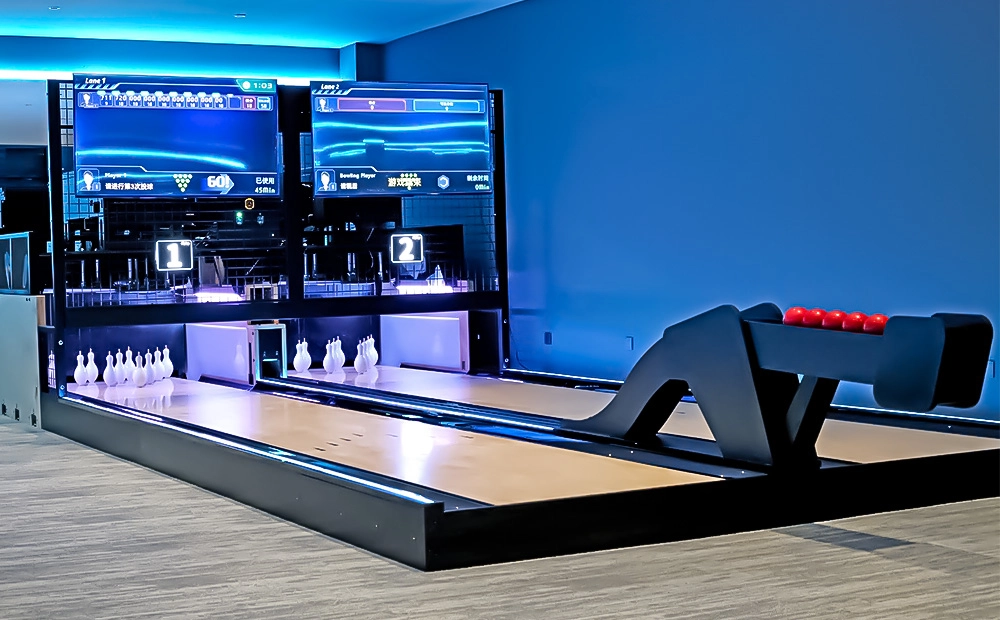
The innovative design of Flying Smart Duckpin Bowling (FSDB) makes it perfect for places like bars, billiard halls, and game centers. It makes people want to come back more often and spend more money. FSDB is fun and competitive, so it will become a new focus for social activities.
Flying Classic Standard Bowling
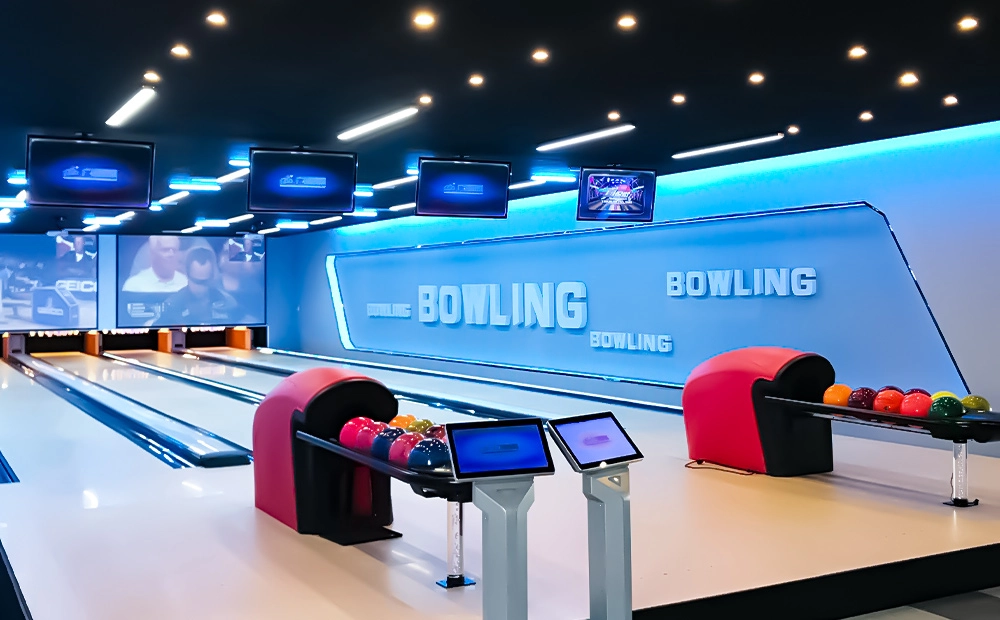
Flying Classic Standard Bowling (FCSB) employs the World Standard Competition Scoring System to deliver a more professional bowling experience, enabling bowlers to enjoy a professional-standard match at their convenience.
Flying Ultra Standard Bowling
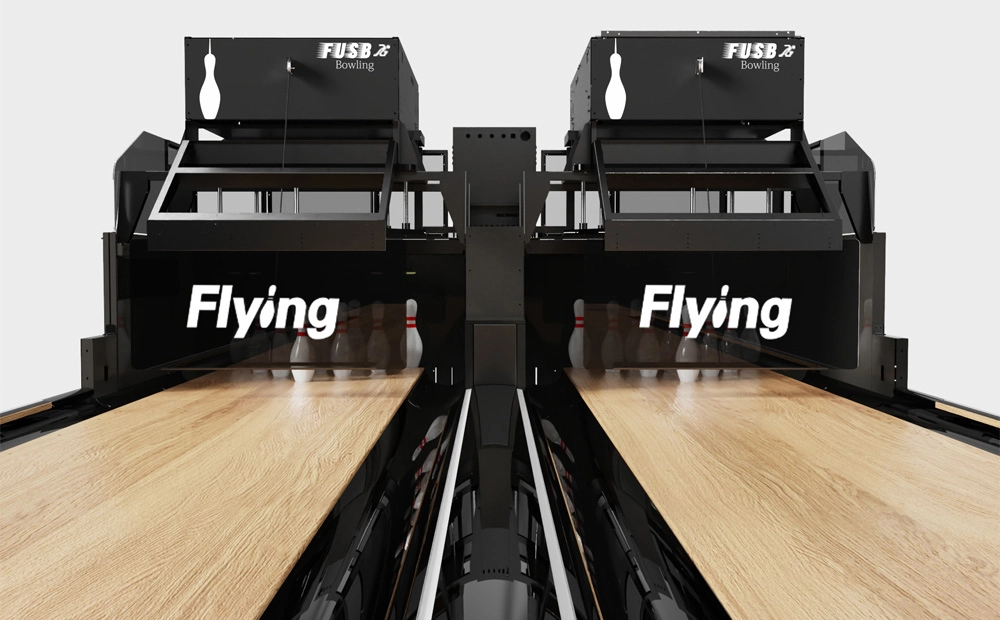
Flying Ultra Standard Bowling (FUSB) Upgraded Version
The string pinsetter uses the latest technology. It offers a more enjoyable bowling experience thanks to its innovative designs and modern technology.
Ready to Build Your Bowling Center?
Share your details, and we’ll provide tailored solutions and expert guidance to help you take your bowling center to the next level.

Professional Bowling Alley Equipment Manufacturer, a one-stop solution provider for bowling alleys.
Facebook
YouTube
Linkedin
Twitter