














Troubleshooting & Maintenance for Flying Classic Standard Bowling
- Troubleshooting and Maintenance for Flying Classic Standard Bowling
- Overview of FCSB and the Role of Bowling Alley Equipment in Performance
- Common Operational Issues and First Steps for Troubleshooting Bowling Alley Equipment
- Scoring Electronics and World Standard Competition Scoring System Troubleshooting
- Pinsetter Maintenance and Troubleshooting for Reliable Pin Handling
- Ball Return Systems and Motor Troubleshooting
- Lane Surface Care and Oiling System Maintenance to Preserve Competition Conditions
- Recommended Preventive Maintenance Schedule for Bowling Alley Equipment
- Parts, Tools, and Consumables Checklist for Onsite Repairs of Bowling Alley Equipment
- Electrical and Network Safety Best Practices for Bowling Alley Equipment
- When to Escalate Repairs and Select a Professional Service Partner
- Case Example: Reducing Pinsetter Jams by Proactive Belt Replacement
- Brand Advantages and Why Flying Classic Standard Bowling Works for Competitive Centers
- Practical Tips for Extending Life of FCSB and Related Bowling Alley Equipment
- Frequently Asked Questions about Troubleshooting and Maintenance for Flying Classic Standard Bowling
- Contact Us and View Product
- References and Sources
Troubleshooting and Maintenance for Flying Classic Standard Bowling
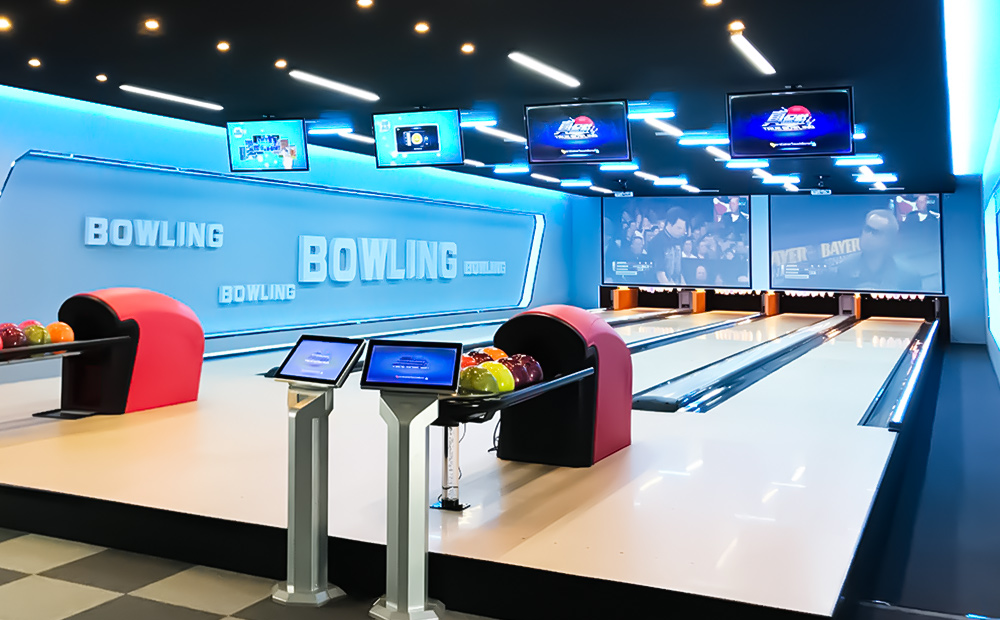
Flying Classic Standard Bowling (FCSB) employs the World Standard Competition Scoring System to deliver a more professional bowling experience, enabling bowlers to enjoy a professional-standard match at their convenience.
Overview of FCSB and the Role of Bowling Alley Equipment in Performance
Understanding how the Flying Classic Standard Bowling fits into your center is the first step toward effective maintenance. The FCSB is a modern integrated system combining lane surfaces, oiling machines, pinsetters, ball returns, and a World Standard Competition Scoring System. Each subsystem is critical for accurate scoring and a consistent player experience. Proper care of bowling alley equipment extends life, reduces downtime, and preserves the competition level behavior that FCSB is designed to provide.
Common Operational Issues and First Steps for Troubleshooting Bowling Alley Equipment
When a problem arises with FCSB the first actions should be safe, systematic, and documented. Common issues include scoring discrepancies, pinsetter jams, inconsistent pin fall, ball return delays, and lane surface problems such as unusual ball behavior. Triage steps that work across most bowling alley equipment are the same: isolate the subsystem, perform a power cycle if safe, check error codes on the scoring console, and consult logs. Keep a simple incident log to track recurring faults and environmental factors like high humidity or dust which often contribute to failures.
Scoring Electronics and World Standard Competition Scoring System Troubleshooting
Because FCSB implements the World Standard Competition Scoring System, accuracy of the electronics is essential. Typical scoring issues are lost frames, incorrect spare marks, or frozen displays. Start by checking network connectivity between console and lane controllers, inspect cable terminations, and confirm firmware versions on all controllers. Most scoring errors stem from communication failures or outdated firmware. If the console reports sensor faults check the optical or mechanical lane sensors for dirt, misalignment, or physical damage. Cleaning with appropriate solvent and lint free cloths often resolves optical sensor errors. Always follow electrostatic discharge precautions and power down equipment before opening controllers.
Pinsetter Maintenance and Troubleshooting for Reliable Pin Handling
Pinsetter troubles are among the most common causes of lane downtime. Symptoms include misthrows, double pins, hanging pins, or frequent jams. Daily visual inspection of pinsetter belts, cams, knives, and solenoids will prevent many failures. Lubrication points should be serviced according to manufacturer guidelines. If jams increase, inspect for worn timing components or ripped belts which alter pin timing. Replace perishable items such as belts and pads proactively rather than waiting for failure. For FCSB, ensure pinsetter timing remains synchronized with the scoring system to avoid registration and scoring mismatches.
Ball Return Systems and Motor Troubleshooting
Ball return failures range from slow return times to complete stops. Check drive motors, belt tensions, and rollers for wear and foreign objects. Bearings and idlers often fail first; a periodic greasing schedule reduces this risk. Electrical issues such as overloaded motors or intermittent starters will show thermal protection trips; inspect motor starters and control relays. Maintain a spare motor starter and common belts on site to avoid extended closures. Ensure ball return rails are clean and free of dust buildup that can increase friction and motor load.
Lane Surface Care and Oiling System Maintenance to Preserve Competition Conditions
Lane surface condition and oil pattern consistency are critical for the World Standard Competition Scoring System to be meaningful. FCSB centers should maintain a routine lane cleaning and oiling process. Clean lanes with manufacturer approved detergents to remove dust and oil buildup. Oil machines must be calibrated and their pumps, rollers, and nozzles cleaned regularly. Verify pattern profiles against the target pattern using lane measurement devices. Discrepancies in pattern shape or volume indicate pump or nozzle wear. Keep detailed records of oil volumes and patterns per lane so you can detect gradual drift and respond before player complaints escalate.
Recommended Preventive Maintenance Schedule for Bowling Alley Equipment
Establishing a preventive maintenance schedule reduces emergency repairs and improves lifespan. Below is a practical schedule tailored for centers operating FCSB. Intervals are general guidance and should be adjusted per usage and local conditions.
| Component | Daily | Weekly | Monthly | Quarterly |
|---|---|---|---|---|
| Scoring Consoles | Check for errors, backup logs | Inspect cables, update logs | Verify firmware versions, test sensors | Full system diagnostic |
| Pinsetters | Visual check, clear debris | Lubricate wear points, inspect belts | Replace perishable belts, check timing | Major inspection, adjust cams |
| Ball Returns | Check for jams, listen for odd noises | Clean rails, inspect rollers | Check motor starters and belts | Replace worn rollers and bearings |
| Lane Surface and Oiler | Clean lanes, check oil machine status | Measure pattern output, clean nozzles | Service pump, replace filters | Refinish lanes as needed |
Sources for recommended intervals include manufacturer manuals and industry best practice documents from United States Bowling Congress and major equipment manufacturers. Actual intervals depend on lane traffic and environmental factors.
Parts, Tools, and Consumables Checklist for Onsite Repairs of Bowling Alley Equipment
Keeping critical spare parts and tools onsite reduces downtime. Essentials for FCSB centers include spare belts for pinsetters and ball returns, torque wrenches, multimeter, spare sensors, replacement rollers, lubricants approved for bowling equipment, a calibrated oil machine test kit, and a small inventory of electronic components such as relays and fuses. Label parts with purchase dates and vendor info to simplify replacements. A contracts list for local qualified technicians should also be maintained.
Electrical and Network Safety Best Practices for Bowling Alley Equipment
Scoring and lane controllers rely on stable electrical and network infrastructure. Protect the system with surge protection and UPS backup for scoring consoles. Follow basic lockout tagout procedures during repairs. Keep network cables separate from power cables where possible to avoid interference. For changes to firmware or network configuration, schedule a test window outside peak hours and maintain a rollback plan. If you are not certified to work on high voltage equipment call a licensed electrician.
When to Escalate Repairs and Select a Professional Service Partner
Some repairs are appropriate for in-house technicians, but escalate when you encounter persistent mechanical timing faults, complex electrical failures, or issues involving the World Standard Competition Scoring System that impact match integrity. Choose a service partner with documented experience on similar systems, good references, and transparent pricing. Consider a service contract that includes scheduled preventive maintenance, priority response, and parts discounts. A qualified partner will also help with firmware updates and validation of scoring accuracy after major repairs.
Case Example: Reducing Pinsetter Jams by Proactive Belt Replacement
A mid sized bowling center reported increasing jams leading to 20 minutes average downtime per lane per week. After replacing worn timing belts and adjusting cam timing according to the pinsetter manual, jams dropped by 85 and average downtime fell below 5 minutes per lane per week. The center saved repair labor and improved customer satisfaction. This demonstrates how targeted preventive maintenance on bowling alley equipment yields measurable benefits.
Brand Advantages and Why Flying Classic Standard Bowling Works for Competitive Centers
Flying Classic Standard Bowling is designed for operators who want a professional competition experience with manageable maintenance demands. Key brand advantages include implementation of the World Standard Competition Scoring System which simplifies hosting sanctioned events, modular design for easier part replacement, and manufacturer support for firmware and pattern configuration. The system balances competition grade performance and practical serviceability so centers can deliver high quality play without excessive downtime. For centers that host leagues or tournaments, FCSB provides the consistency required by serious bowlers while offering efficient maintenance pathways for operators of bowling alley equipment.
Practical Tips for Extending Life of FCSB and Related Bowling Alley Equipment
Train staff on daily inspection routines, maintain a small stock of high failure parts, and log all maintenance activities. Perform seasonal deep cleaning and calibration ahead of peak league seasons. Use the oil machine test kit to verify pattern consistency and update firmware during off hours. Regularly review incident logs to identify trends and address root causes rather than repeating corrective fixes.
Frequently Asked Questions about Troubleshooting and Maintenance for Flying Classic Standard Bowling
Q 1 What should I do if scoring displays incorrect marks
Check sensor cleanliness and alignment, verify network connectivity between lane controller and console, and confirm the firmware versions. If the problem persists escalate to a certified technician.
Q 2 How often should pinsetter belts be replaced
Replace belts based on wear rather than just time. For medium traffic centers a monthly inspection and replacement every 12 to 18 months is common. High traffic venues may need more frequent replacement.
Q 3 Can we clean lane oil with generic cleaners
Use cleaning agents approved by lane surface and oil machine manufacturers. Generic solvents can damage finishes and affect ball reaction. Refer to your lane finish and oil machine manuals for approved products.
Q 4 How do I know it is an electrical issue versus mechanical
Intermittent errors, blown fuses, or controller reboot loops suggest electrical or firmware issues. Mechanical symptoms include jams, noises, and timing misalignments. Use a systematic isolation process to identify the failing subsystem.
Q 5 When should I call the manufacturer versus local technician
Call the manufacturer for firmware issues, product recalls, or complex calibration tied to competition scoring. Local technicians are suitable for routine mechanical repairs and electrical fixes done by licensed electricians.
Contact Us and View Product
For tailored maintenance plans, replacement parts, or to arrange a service visit contact our support team or view Flying Classic Standard Bowling product details. Our technicians can provide a site assessment and help implement a preventive maintenance program that keeps your bowling alley equipment competition ready.
References and Sources
- United States Bowling Congress official resources and lane maintenance guidelines available at bowl.com
- Brunswick Bowling technical documentation and service manuals available at brunswickbowling.com
- Kegel lane conditioning and oil pattern resources available at kegel.net
- OSHA electrical safety guidance available at osha.gov
Buying Quality Bowling Equipment
Products
Are environmentally friendly materials used?
All wood products are USBC certified, the paint complies with EU REACH standards, and environmental testing reports are provided
Can I choose the color and brand logo of the equipment?
Personalized customization is supported, including lane color, LOGO, theme lighting system, etc.
Service
How to complain if you are not satisfied with the after-sales service?
You can directly contact the Global Service Director (email: mike@flyingbowling.com/phone: 0086 18011785867), and we promise to issue a solution within 24 hours.
Company
Are there any successful cases for reference?
We have built a variety of projects such as commercial venues, hotel entertainment centers, etc. for global customers. The case library can be provided in a targeted manner (including pictures/videos)
Customer care
Do I get a discount if my bowling lanes are shorter than standard length?
Shorter lanes require additional labor to cut and splice materials, which offsets any potential material savings. As a result, pricing remains the same regardless of lane length.
Flying Classic Standard Bowling
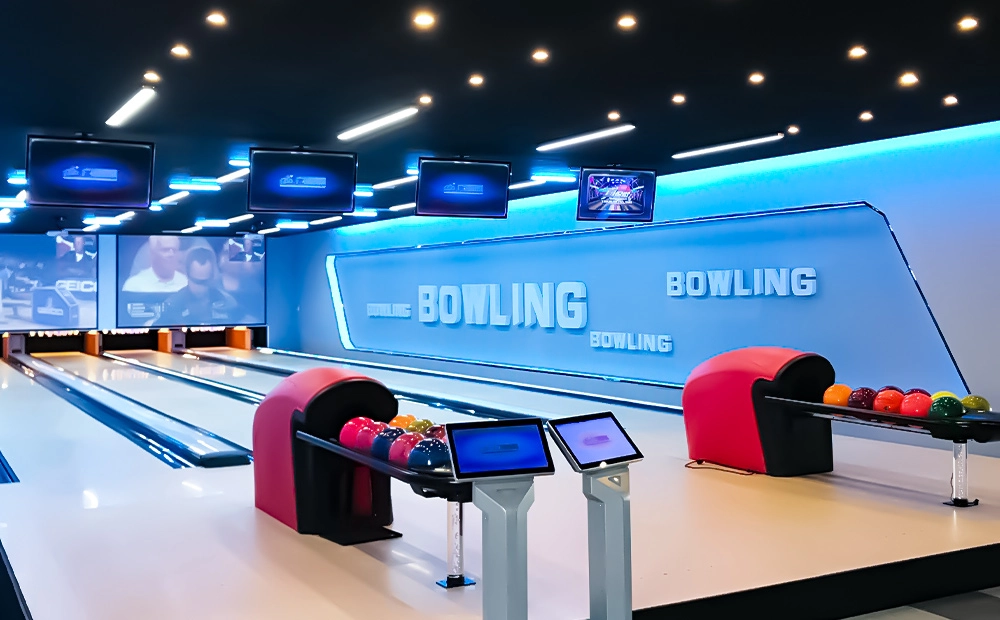
Flying Classic Standard Bowling (FCSB) employs the World Standard Competition Scoring System to deliver a more professional bowling experience, enabling bowlers to enjoy a professional-standard match at their convenience.
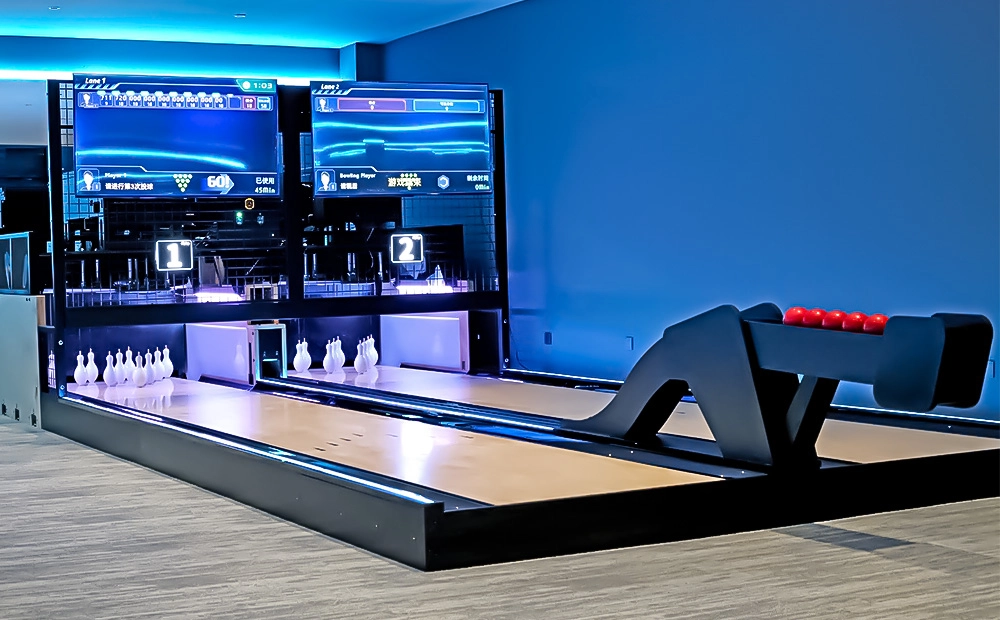
Flying Smart Duckpin Bowling
The innovative design of Flying Smart Duckpin Bowling (FSDB) makes it perfect for places like bars, billiard halls, and game centers. It makes people want to come back more often and spend more money. FSDB is fun and competitive, so it will become a new focus for social activities.
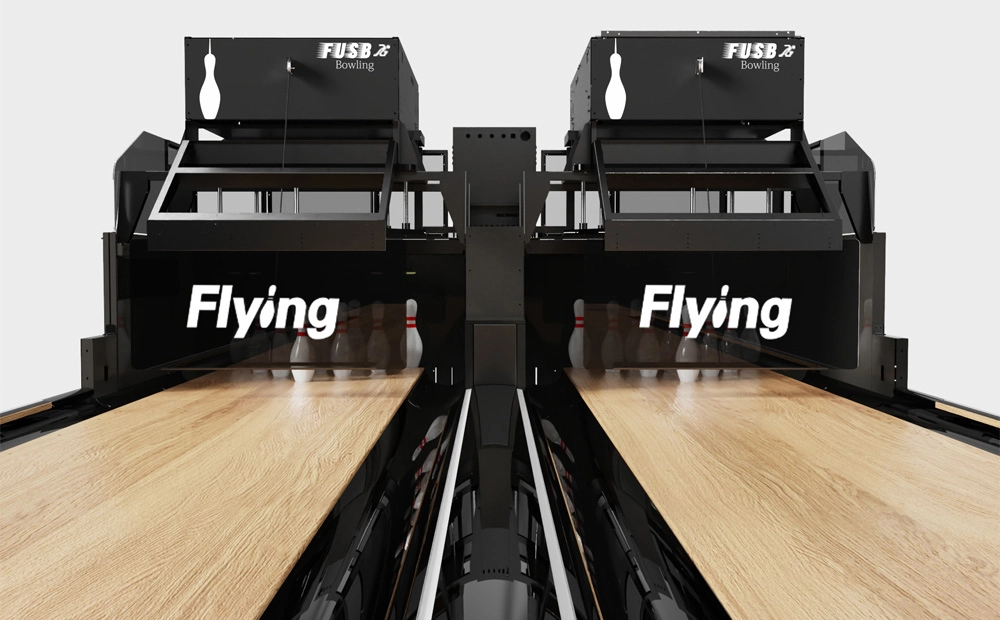
Flying Ultra Standard Bowling
Flying Ultra Standard Bowling (FUSB) Upgraded Version
The string pinsetter uses the latest technology. It offers a more enjoyable bowling experience thanks to its innovative designs and modern technology.
Ready to Build Your Bowling Center?
Share your details, and we’ll provide tailored solutions and expert guidance to help you take your bowling center to the next level.

Professional Bowling Alley Equipment Manufacturer, a one-stop solution provider for bowling alleys.
Facebook
YouTube
Linkedin
Twitter